






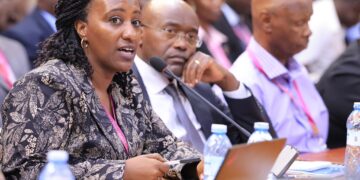




A section of legislators from the National Unity Platform (NUP) has dismissed claims that party leaders coerced Members of Parliament into surrendering part of their recently approved vehicle facilitation package, insisting the contributions were voluntary and unanimously agreed upon during a caucus meeting.
The controversy arose after reports emerged that NUP legislators had resolved to contribute Shs15 million each from their Shs315 million vehicle grant to support party activities. The caucus also reportedly agreed that every legislator would remit Shs1 million monthly as party subscription fees.

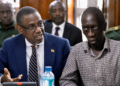
Speaking on behalf of the NUP parliamentary caucus, Opposition Chief Whip Paul Mwiru said the decision was reached through consensus and that no MP was compelled to contribute.
“The resolution to contribute Shs15 million from the car grant was discussed and agreed upon by all NUP legislators during a caucus meeting. There was no coercion. Any member who is uncomfortable with the contribution is free not to contribute. It is voluntary,” Mwiru said.
NUP lawmakers argue that sustaining opposition politics requires substantial financial resources, including funding for legal battles, mobilisation activities, and party administration.
Hakim Kiiza defended the monthly subscription arrangement, saying it was aimed at strengthening the party’s financial independence.
“Running an opposition party is expensive. From court cases to grassroots mobilisation, we need resources. The Shs1 million monthly subscription ensures we remain independent and do not rely on handouts. It was a collective decision,” Kiiza said.
The revelations have also drawn attention to financing arrangements within other political parties.
Legislators from the ruling National Resistance Movement (NRM) confirmed that they too make monthly contributions to their party, although at a lower rate of Shs150,000.
Mathew Bazanya said the contributions support party structures, conferences, and mobilisation activities.
“All political parties require members to contribute. For us in NRM, Shs150,000 per month is standard and goes into transparent party activities. That is normal in any democratic setup,” Bazanya said.
However, some NRM legislators questioned the appropriateness of channeling part of the vehicle facilitation grant toward party activities, arguing that Parliament approved the funds specifically to facilitate transport and constituency oversight.
One NRM legislator, who spoke on condition of anonymity, described the move as unethical.
“The car grant is public money meant for service delivery in constituencies. Diverting Shs15 million from it to fund party activities is unethical and sets a dangerous precedent in the use of taxpayers’ money,” the legislator said.
NUP lawmakers, however, dismissed the criticism, maintaining that once the money is disbursed, legislators are free to decide how to use it.
“Once the car grant hits your account, it becomes your money. What you choose to do with it is a personal decision. Our colleagues who believe in strengthening the party have chosen to contribute voluntarily. Nobody is being forced,” Mwiru said.
The debate has reignited public discussion on political party financing, transparency, and accountability as the 12th Parliament settles into office.
Political analysts say the disclosures have exposed the extent to which Uganda’s political parties depend on financial contributions from elected leaders, raising broader questions about oversight, disclosure, and the management of party funds.


 English