

















The Ministry of Local Government has issued new guidelines to local governments on the implementation of the Trade Order, directing authorities to relocate informal traders from streets, walkways, pavements and other undesignated spaces while ensuring that the process protects traders’ livelihoods.
The eight-page guidelines, issued on July 30, 2026, by Permanent Secretary Ben Kumumanya, were addressed to all Chief Administrative Officers, Town Clerks of cities and Town Clerks of municipalities. They provide a framework for implementing the Trade Order issued on March 10, 2026.

According to the ministry, the Trade Order was necessitated by the proliferation of unregulated trade in undesignated areas, which it says has contributed to congestion and obstruction of public spaces, environmental degradation, public health risks, economic inefficiencies for formal businesses and revenue leakages for local governments.
The ministry said restoring trade order is intended to move local governments away from fragmented and reactive management of trade towards a coordinated system that promotes orderly commerce, public health, urban development and improved revenue mobilisation.
Traders To Be Relocated
Under the guidelines, local governments are required to identify and prepare formal trading spaces, including existing and new markets or reserved commercial zones, where traders operating in streets, walkways, pavements, verandas, backstreets and sanitary lanes will be relocated.
However, authorities have been instructed to issue traders with clear written notices specifying the alternative trading location and the deadline for compliance.
The ministry emphasised that relocation and enforcement must be conducted in a humane, orderly and professional manner, without intimidation or excessive force. Relocated traders are also expected to be registered in designated markets and given a prioritised pathway to obtain valid trading licences, subject to meeting minimum health and safety requirements.
The guidelines further require local governments to engage traders’ associations, market management committees, business community leaders and security committees before implementation.
They also provide for sustained public awareness campaigns through local media, community meetings and direct engagement to explain the new regulations, designated trading areas and the benefits of an orderly trading environment.
Enforcement And Licensing
The ministry has directed local governments to strengthen enforcement teams and ensure that officers are trained in relevant laws and procedures.
Authorities are expected to conduct routine patrols involving enforcement officers and health inspectors to monitor hygiene, maintain order and ensure businesses operate within their licensed zones.
The guidelines make possession and display of a valid trading licence mandatory for all businesses. Business premises, including food manufacturers, restaurants and retailers, will also be subjected to regular or unscheduled inspections to assess compliance with licensing terms, health standards and zoning regulations.
Businesses that fail to comply may face administrative fines, while trading licences can be suspended or revoked in accordance with applicable local government ordinances and by-laws.
The ministry, however, cautioned enforcement officers against arbitrary seizure of traders’ merchandise. Where persistent non-compliance leads to seizure, the action must be documented and the goods properly inventoried and stored in a secure facility pending resolution of the matter.
Restrictions On Food And Other Activities
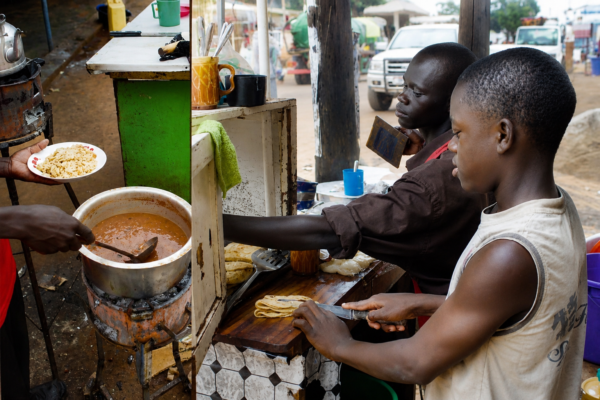
The guidelines prohibit the sale of cooked food and fresh fruits in unhygienic locations such as drainage areas, sewer lines, corridors and other places considered unsuitable for food handling.
They also require private developers intending to install kiosks or containers on their plots to obtain approval from the physical planning department to ensure the structures do not become public nuisances.
Local governments have also been directed to enforce physical development plans by restricting certain categories of trade, including heavy industries and wholesale markets, to designated areas.
Authorities are further required to identify and gazette parking areas for boda bodas, taxis, buses and lorries to reduce on-street parking. Long-distance taxi and bus terminals are to be relocated to the periphery of central business districts to help ease congestion.
Quarterly Reports Required
Each local government is required to develop a contextualised Trade Order Strategy, including an actionable work plan and budget covering zoning, relocation, enforcement and formalisation.
The strategy must be submitted to the Ministry of Local Government for review and harmonisation.
Local governments will also be required to submit quarterly progress reports to the Permanent Secretary, detailing the number of traders registered, relocated and licensed, inspections conducted and challenges encountered.
The ministry has directed local governments to establish grievance and appeals mechanisms through which affected traders can seek redress, with appeals channelled through the Chief Administrative Officer or Town Clerk and the Ministry of Local Government.
Guidelines Take Immediate Effect
The guidelines provide for a transition period to allow stakeholder sensitisation, mapping of traders, identification of alternative trading spaces and preparation of enforcement teams.
They supersede previous circulars, directives, instructions, guidelines and administrative communications issued by the Ministry of Local Government on implementation of the Trade Order, where there is any inconsistency.
However, the ministry clarified that the guidelines do not supersede existing laws. Any uncertainty or implementation challenge is to be referred to the Ministry of Local Government for guidance, and local governments have been cautioned against introducing practices inconsistent with the guidelines without prior guidance from the ministry.
Importantly, the ministry clarified that the guidelines should not be used to acquire right of way for road construction projects or land for public investments.
It stated that land acquisition for roads, markets, slaughterhouses, health facilities, schools and other public projects must follow established government procedures, with right-of-way and land acquisition processes conducted consultatively.
The ministry said the overall objective is to restore clean, orderly and economically vibrant trading environments while supporting sustainable urban development and protecting the rights and livelihoods of traders.
ENDS.













 English