













President Yoweri Museveni has sworn in three ministers whose assumption of office had been delayed by questions over their citizenship, clearing the way for them to take up their respective portfolios.
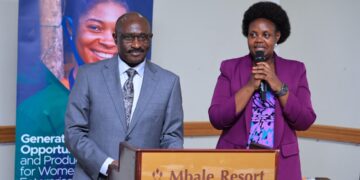
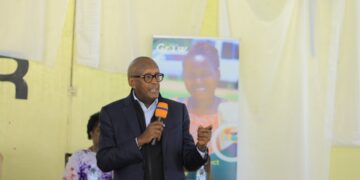
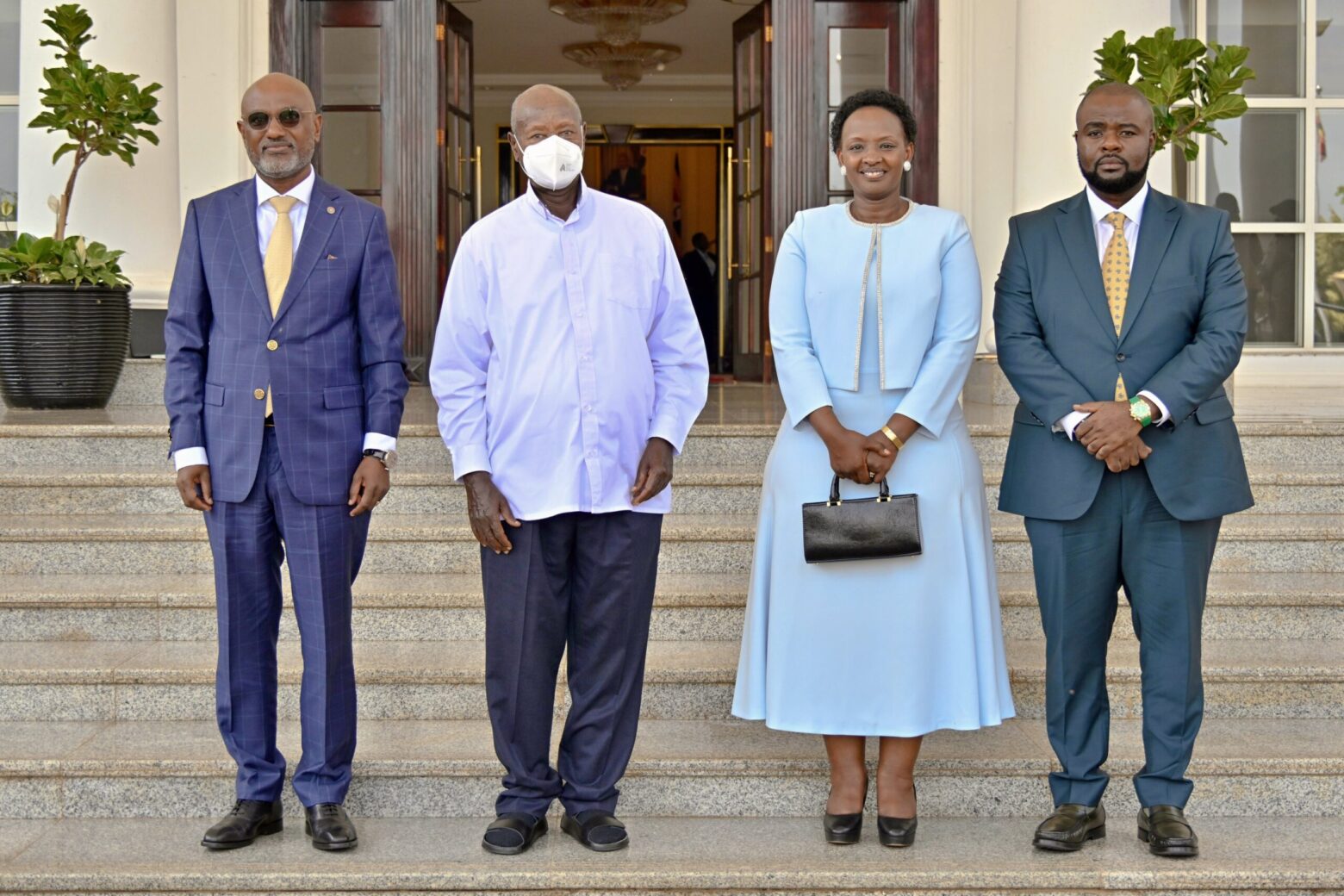
The three are Ambassador Adonia Ayebare, who has assumed the position of Minister of Foreign Affairs; Shartsi Kutesa Musherure, Minister of State for Finance, Planning and Economic Development in charge of Microfinance; and Witonze Juma, Minister of State for Internal Affairs.


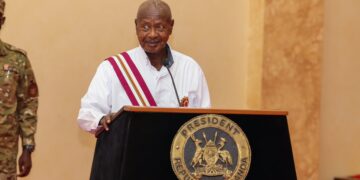
The ministers took their oaths on Tuesday at State House, Entebbe, in a ceremony presided over by Museveni.
In his remarks, the President urged the new office holders to prioritise accountability, effective supervision and the fight against corruption and inefficiency in government.
“I congratulate them and urge them to focus on eliminating corruption and inefficiency in Government through proper supervision and accountability,” Museveni said.
Museveni also used the occasion to address the controversy surrounding dual citizenship, which had delayed the appointment of some of his nominees.
He said the dual citizenship arrangement was introduced partly in response to Uganda’s difficult past, but cautioned that individuals serving in senior public positions should be clear about their national loyalty.
“On dual citizenship, I stressed that while the arrangement was introduced to address Uganda’s difficult history, people must be clear about where their loyalty lies,” he said.
Museveni further argued that the proposed East African Federation would eventually provide a broader framework for addressing questions of citizenship, identity and regional integration.
Citizenship Questions Delayed Appointments
Ayebare and Musherure were among four nominees who failed to take the oath when Museveni swore in the new Cabinet on June 8.
The other two were David Calvin Echodu, who had been designated Minister of State for Foreign Affairs in charge of International Affairs, and Dr Lawrence Muganga, who had been nominated Minister of State for Internal Affairs.
Their appointments became contentious during the parliamentary vetting process after questions emerged over their citizenship status.
Ugandan law permits dual citizenship, although the Citizenship and Immigration Control Act places restrictions on dual citizens occupying certain senior public offices, including Cabinet and State ministerial positions.
During the vetting process, immigration records presented to Parliament indicated that Ayebare held both Ugandan and United States citizenship. Musherure was similarly listed as holding Ugandan and US citizenship.
Echodu was found to possess Ugandan and US passports, although immigration officials reportedly told Parliament that they had no record confirming that he had formally acquired dual citizenship.
Muganga, the Vice Chancellor of Victoria University, was reported to hold Ugandan, Canadian and Rwandan citizenship.
The four nominees consequently missed the June swearing-in ceremony as their cases were subjected to further review by the Head of Public Service and the Solicitor General before being referred for presidential guidance.
Ayebare’s delayed appointment also left the Foreign Affairs Ministry without its designated Cabinet minister. Museveni subsequently assigned State Minister for Foreign Affairs Haruna Kyeyune Kasolo to act in the position pending the resolution of Ayebare’s case.
By July, reports indicated that Ayebare and Musherure had addressed the citizenship concerns, including relinquishing their foreign citizenship, paving the way for them to take the oath.
Echodu Appointment Still Unresolved
The swearing-in of Ayebare and Musherure has left Echodu as the main unresolved case among the four nominees affected by the citizenship controversy.
Echodu had been designated Minister of State for Foreign Affairs in charge of International Affairs.
Questions were raised during the vetting process after he was found to have Ugandan and US passports. However, immigration officials reportedly told Parliament that they lacked records confirming that he had acquired dual citizenship.
His appointment therefore remains among the presidential appointments that have not been fully regularised.
Muganga’s case has taken a different course. Parliament’s Appointments Committee rejected his nomination amid concerns over his citizenship status.
The committee reportedly found that Muganga held Ugandan, Canadian and Rwandan citizenship and was not satisfied with the evidence provided concerning the relinquishment of his foreign citizenship.
Museveni had initially designated Muganga to serve as State Minister for Internal Affairs, but subsequently appointed Juma to the position. Juma was among those sworn in on Tuesday.
Janet Museveni Also Yet To Take Oath
Another unresolved matter in the new Cabinet is the continued absence of Janet Kataaha Museveni, who was retained as Minister of Education and Sports.
Museveni included her on the Cabinet list announced on May 26, but she did not take the oath alongside the other ministers in June.
Following her absence, Museveni appointed the Minister of State for Higher Education, John Chrysostom Muyingo, to act as Minister of Education and Sports.
Janet Museveni remains the substantive minister on the Cabinet list, but the government has not announced when she will formally assume the portfolio.
Tuesday’s ceremony has therefore settled some of the outstanding issues surrounding Museveni’s new Cabinet, particularly the appointments of Ayebare, Musherure and Juma.
However, Echodu’s appointment and the continued absence of Janet Museveni leave some questions over the final composition of the Cabinet.
Museveni’s comments on dual citizenship also placed the appointments within a wider debate about national loyalty, public service and regional integration, with the President presenting the proposed East African Federation as a long-term answer to some of the identity and citizenship questions facing the region.


 English