


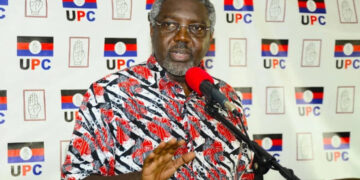

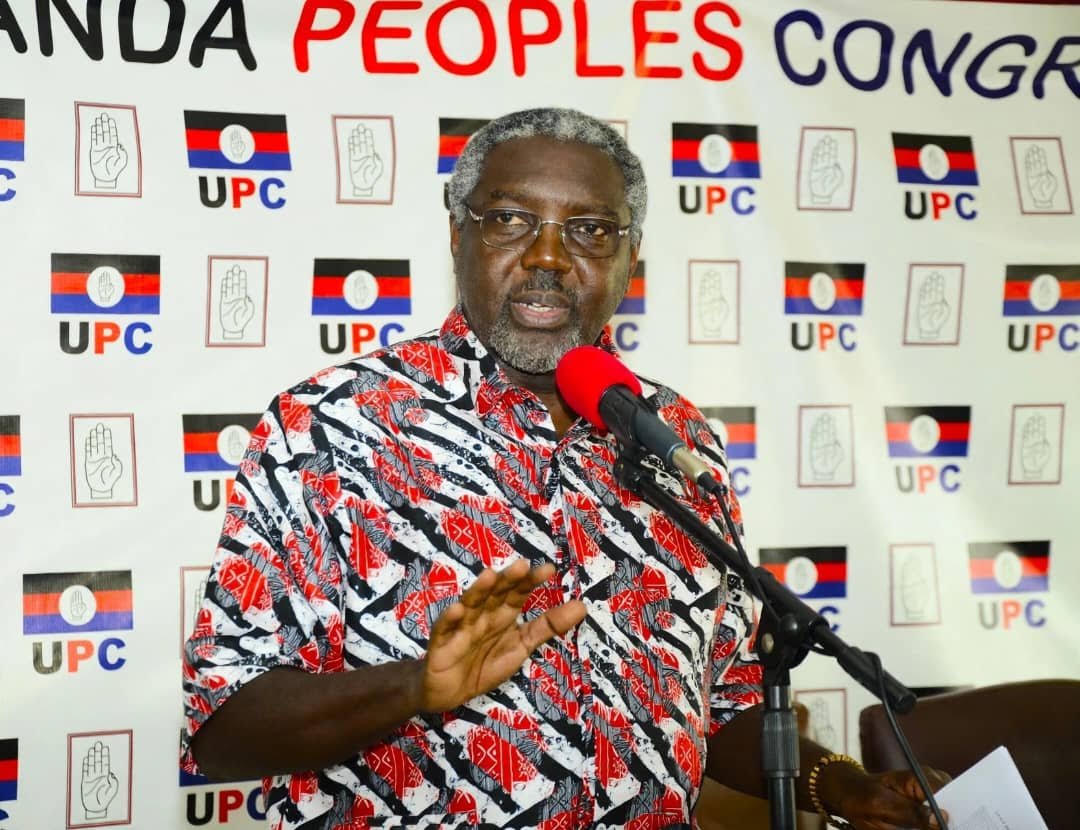
Uganda People’s Congress (UPC) president Jimmy Akena has called for genuine political dialogue with the ruling National Resistance Movement (NRM), saying any negotiations must address concerns over electoral credibility, unequal treatment of political parties and broader social challenges facing the country.
Akena said he was willing to meet President Yoweri Museveni but warned that dialogue would serve little purpose without honesty, respect for the law and a genuine commitment to resolving concerns raised by opposition parties.
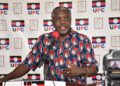
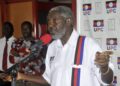
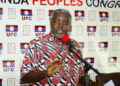
Speaking to journalists at the UPC headquarters in Kampala on Wednesday, Akena described the recent general elections as neither free nor credible, arguing that political parties should not be expected to accept electoral outcomes they believe do not reflect the will of the people.
“This is a republic. A republic entails that the presidency is subject to the will of the people. I am part of those people, and for me, I don’t accept what is being put on the table,” he said.
The UPC leader questioned the prospects of meaningful negotiations when opposition leaders allegedly face intimidation, arrests and restrictions on their political activities.
Despite expressing concern about his personal safety, Akena said he remained committed to Uganda and had no intention of abandoning the country after spending about 20 years participating in its politics.
“This is my country. I have no other country,” he said.
Akena also criticised what he described as an excessive focus on presidential ambitions at the expense of issues affecting ordinary Ugandans, particularly children’s education, healthcare and nutrition.
He raised concern over figures indicating that about one-quarter of children below the age of five suffer from malnutrition, while more than half of pupils who enrol in primary school reportedly fail to reach the Primary Leaving Examination level.
“How do we talk about the future of Uganda when we cannot talk about the future of those who should be taking Uganda forward?” he asked.
On political dialogue, Akena said engagements between the opposition and the NRM should follow established structures under the Inter-Party Organisation for Dialogue (IPOD), starting with the council before progressing to the summit.
He accused the ruling party of failing to convene IPOD summits for several years while holding the chairmanship, and questioned its commitment to implementing agreements on political party funding.
Akena specifically cited Section 14B of the Political Parties and Organisations Act, arguing that the provision should be respected to guarantee fair treatment and support for political parties.
He also criticised the involvement of military personnel in political activities, insisting that constitutional provisions governing the armed forces, particularly Article 208, must be respected.
Beyond domestic politics, Akena called for practical measures to deepen East African integration, including reducing delays at border crossings, improving regional road infrastructure and promoting Kiswahili as a language of trade and communication.
He said Uganda should also explore alternative trade routes and opportunities beyond its traditional dependence on the Port of Mombasa to strengthen regional and international commerce.
Akena maintained that UPC would continue participating in Parliament, strengthening its grassroots structures and presenting alternative policy proposals despite the challenges facing opposition parties.
He cautioned against using political negotiations to silence criticism or weaken opposition leadership, saying Uganda’s future should be anchored in democratic accountability and opportunities for its young population.
“The children of Uganda deserve a future, and that future cannot be held hostage because somebody wants to be president,” he said.


 English
