




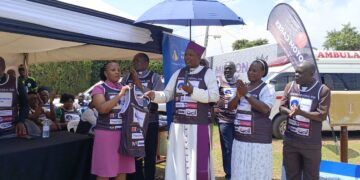











Mbarara University of Science and Technology (MUST) is establishing a 44.6-acre botanical garden to conserve indigenous medicinal tree species and preserve traditional knowledge about their therapeutic properties.

The project, being undertaken through the university’s Pharm-Biotechnology and Traditional Medicine Centre (PHARMBIOTRAC), currently has more than 500 tree species, including varieties collected from Eastern Uganda.


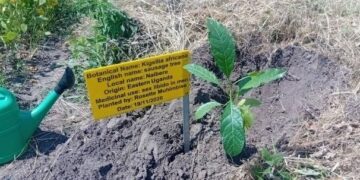
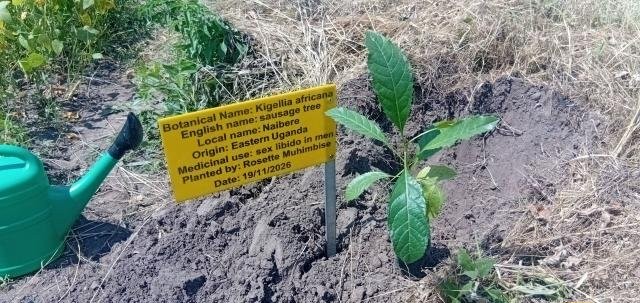
Among the species already planted are the sausage tree, traditionally used in preparations associated with male sexual health, the Nile trumpet, which is valued for its potential pain-relieving properties, and the Greenheart tree, which is traditionally used in treating viral infections.
Dr Casim Umba Tolo, the Director of PHARMBIOTRAC, says the botanical garden, also known as a Living Gene Bank, will be organised into different sections or paddocks to accommodate medicinal tree species from various regions of Uganda.
He explains that the initiative is intended to safeguard indigenous plant biodiversity while preserving knowledge about the medicinal applications of different tree species, much of which has been passed down through generations of local communities and traditional medicine practitioners.
According to Dr Tolo, the facility will also provide opportunities for researchers, university students and traditional medicine practitioners to study indigenous plants, establish their medicinal properties and investigate their potential applications in modern healthcare.
MUST Vice Chancellor Prof Pauline Byakika Kibwika says many indigenous medicinal plants hold valuable traditional knowledge that remains largely undocumented and insufficiently researched, increasing the risk of losing important information about their uses.
She says the university intends to use the Living Gene Bank to identify and document different plant species, creating a foundation for botanical identification, phytochemical investigations, pharmacological studies and research into the safety and effectiveness of plant-based medicines.
Prof Byakika notes that Uganda’s rich diversity of medicinal plants offers significant opportunities for scientific research and the development of natural products that could contribute to healthcare.
She adds that MUST is already undertaking related research through its Research Institute, which comprises five research centres, including PHARMBIOTRAC, which focuses on pharmaceutical biotechnology and traditional medicine.
The Vice Chancellor further reveals that three natural products have so far progressed through the systematic drug development process. These include Nuvimunol, described as an HIV supplement, while research is continuing on other products targeting malaria, diabetes and pain management.
The botanical garden is therefore expected to strengthen the link between indigenous medical knowledge and modern scientific research, while providing a conservation facility for medicinal plants that could support future pharmaceutical development.









 English
