














Four pupils of TA-ALIIM Primary School and Quran Memorisation Center in Kisaasi, Kampala, have died in a suspected food poisoning incident, leaving several families devastated as police investigate the circumstances surrounding the deaths.
Several other pupils reportedly fell ill, with one child still admitted to the Intensive Care Unit (ICU), raising concerns among parents about how the school handled the affected children after their conditions deteriorated.

Parents allege that some of the sick pupils were transported from the school to their homes on boda bodas instead of being taken to hospital for immediate medical attention.
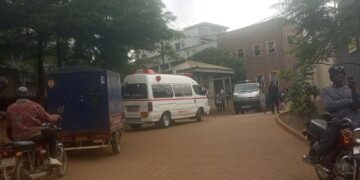
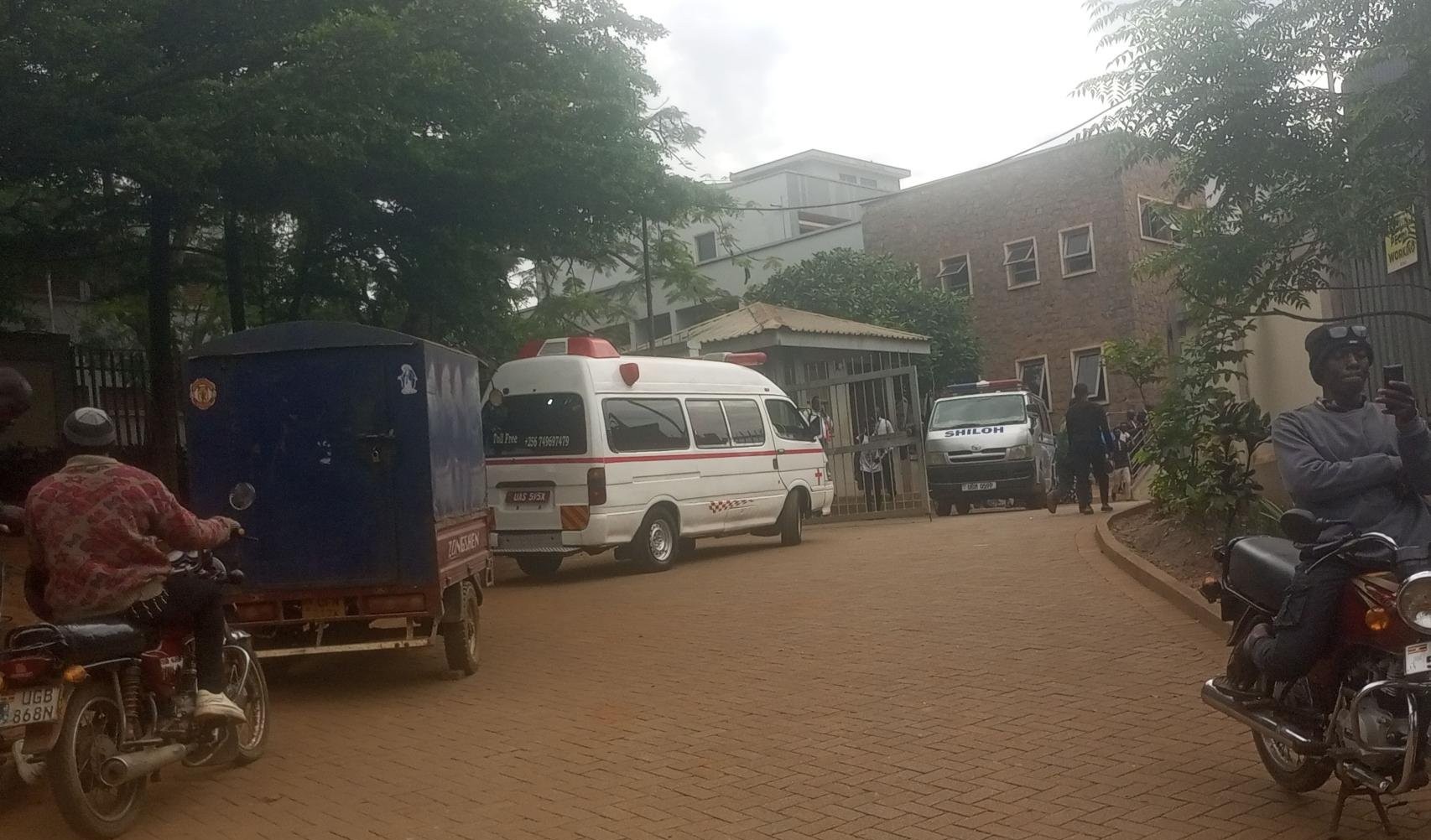
The parents are currently gathered at Mulago City Mortuary, where they are awaiting postmortem examinations to establish the cause of death before the bodies are released for burial.
According to some parents, the school reportedly informed them that one of the pupils had returned to the boarding section after completing the Primary Leaving Examinations (PLE) with oranges brought from home. The fruits are suspected to have been linked to the incident, although no evidence has yet established what the children consumed or whether the oranges contributed to their illness.
Hassan Magumba, a resident of Kiwatule, lost his 11-year-old daughter, Mariam Nabajja, a Primary Four pupil at the school.
Magumba says his daughter was brought home at about 1pm after her condition deteriorated, prompting the family to rush her to Anex Medical Centre, where she was pronounced dead at around 2pm.
He says the child was barely responsive and was foaming at the mouth when she arrived home.
“They dropped her at home after allegedly calling me, but my phone was not going through. They found me at home, and we immediately rushed the child to the clinic. However, the doctors told us that she was already dead,” Magumba said.
His brother, Mubarak Kiruta, also a resident of Kiwatule, lost his daughter, Sumaih Kiruta, another Primary Four pupil at the school. His second daughter, nine-year-old Rahima Kiruta, is still admitted to the Intensive Care Unit.
Kiruta says the children were transported home on boda bodas after falling ill. The family rushed one of them to Mulago Hospital, where blood tests reportedly ruled out malaria. Doctors subsequently suspected food poisoning, but the child died in the early hours of the morning.
He accuses the school administration of failing to provide the family with a clear explanation of what happened, saying they have not had an opportunity to meet any school administrator or director.
Instead, he says, the family has only received telephone calls from the school inquiring about the children’s condition.
Kiruta says the family remains anxious about Rahima’s chances of recovery as she continues receiving intensive medical care.
Nantanda Nasim, the mother of 12-year-old Nasuna Kimera, another Primary Four pupil, says she received a telephone call from the school informing her that her daughter was in critical condition.
Upon reaching a clinic near the school, she was reportedly informed that the child was not responding to treatment.
Nantanda says financial difficulties prevented her from immediately transferring the child to Mulago Hospital. She instead took her home as the family mobilised money and sought prayers.
“My husband was not around, and I had no money. So, I took the child home on Monday, and we prayed. Later that evening, we brought her to Mulago, but my daughter died that night,” she said.
She questions why the school has not provided a clear account of how her daughter fell ill, saying the child had left home on Sunday in good health.
Her husband, Rashid Katongole, says the family wants police to conduct thorough investigations to establish what the pupils ate and what could have caused their deaths.
Ismail Kimera, the father of another 12-year-old Primary Four pupil, Nusufa Nasuna, says his daughter was also brought home by the school in a critical condition.
The family rushed her to Mulago Hospital, but she reportedly died upon arrival.
The parents have since been asked by detectives to witness the postmortem examinations as investigations into the incident continue.
They are demanding answers from the school administration and relevant authorities over what happened to the pupils, particularly the circumstances under which they fell ill and how the school responded to the medical emergency.
The incident has also raised questions about the school’s emergency response procedures, including whether adequate medical attention was provided promptly to the affected children and why some were reportedly transported home on motorcycles while critically ill.
Postmortem findings and police investigations are expected to establish the cause of the deaths, the possible source of the suspected poisoning and whether there was any negligence in the handling of the affected pupils.
The school administration’s account of the incident and its response to the parents’ allegations had not been included in the information available by the time of publication.











 English
