














The United States has pledged to maintain its support for health research institutions in Uganda, recognising their contribution to disease prevention, improved healthcare and the development of interventions that are transforming lives locally and globally.
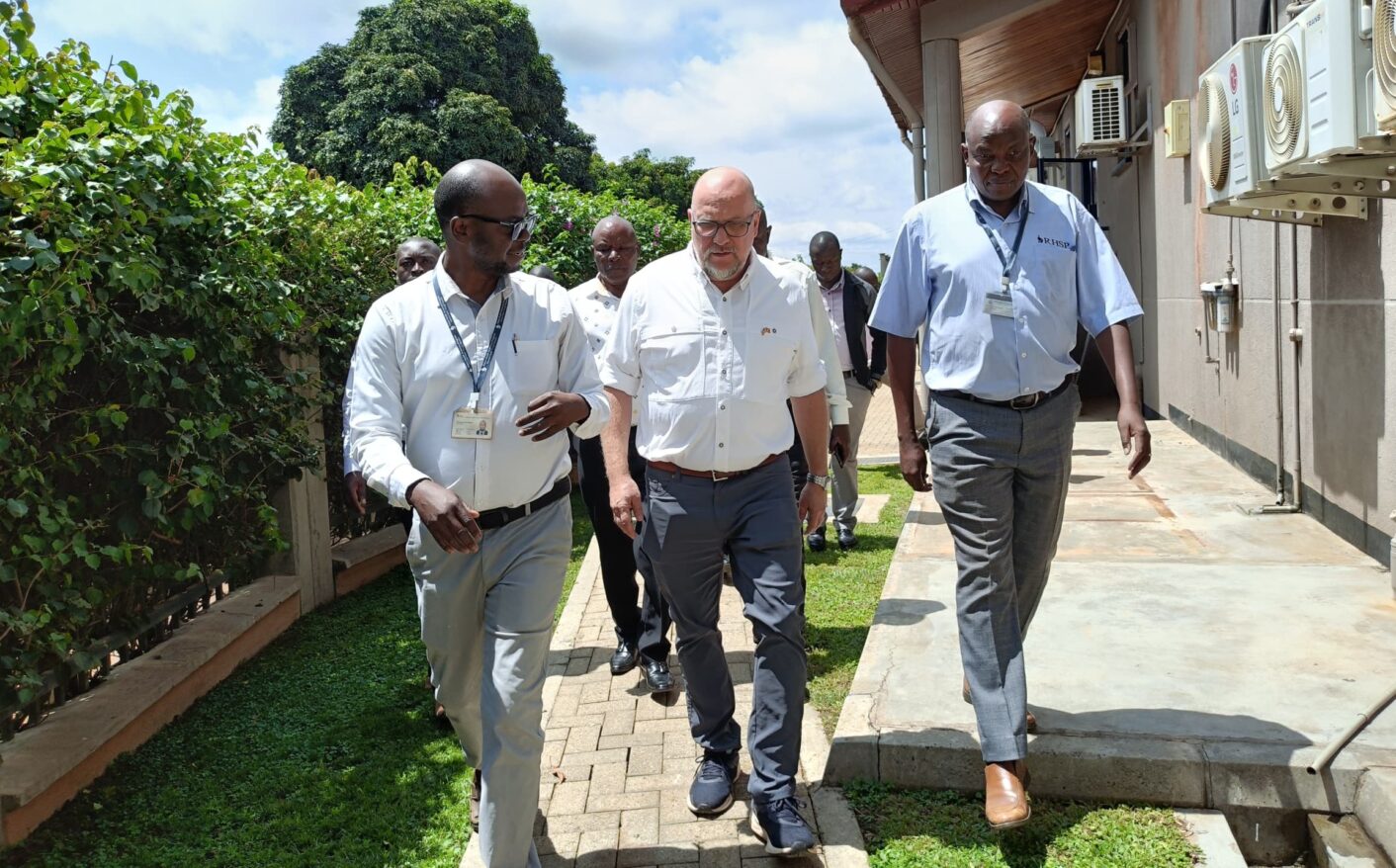
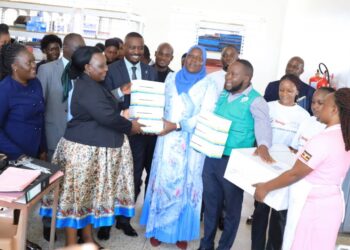
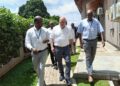
The commitment was announced by the US Embassy Chargé d’Affaires to Uganda, Mikael Cleverly, during a visit to the headquarters of the Rakai Health Sciences Program (RHSP) in Kalisizo, Kyotera District, where he toured the institution’s facilities and assessed its ongoing research activities.


Cleverly said the partnership between the US and Ugandan governments had played an important role in advancing HIV/AIDS prevention research, with findings from the collaboration contributing to public health interventions in Uganda and other parts of the world.
He emphasised that sustaining such achievements requires continued investment in research institutions and scientists working to address pressing health challenges.
“The benefits of research done by RHSP have measurable and tangible effects, not only in Uganda but globally. The US is committed to remaining engaged in supporting public health and research institutions like RHSP that are conducting research that changes lives,” Cleverly said.
During the visit, the delegation toured RHSP’s laboratory facilities and interacted with researchers working in various public health fields.
The research areas include HIV, sexually transmitted infections (STIs) and associated co-infections, emerging and re-emerging infectious diseases, non-communicable diseases, environmental health, artificial intelligence, as well as reproductive, maternal, child and adolescent health.
Dr Steve Reynolds, a senior clinician and Chief of the International HIV/STD Research Section at the National Institute of Allergy and Infectious Diseases, also commended RHSP for its contribution to the fight against HIV/AIDS through scientific research.

He recognised the role played by communities participating in the institution’s research programmes, noting that their involvement was essential to generating evidence that informs disease prevention and treatment interventions.
Reynolds reaffirmed the commitment to training and supporting scientists to strengthen research capacity and sustain efforts aimed at combating diseases.
He disclosed that RHSP was preparing to commence another cohort study expected to run for approximately 18 months, describing it as an opportunity to generate further scientific evidence that could strengthen the global response to HIV/AIDS.
Meanwhile, Prof. Nelson K. Sewankambo, a co-founder of RHSP, called on the Ugandan government to increase domestic funding for health research to complement financial and technical assistance from development partners.
Sewankambo said research institutions play a critical role in controlling diseases, improving healthcare delivery and maintaining a healthy and productive population, adding that their work should not depend entirely on external funding.
He noted that sustainable scientific research requires substantial and consistent investment, urging the government to recognise research as an important component of national development.
Sewankambo also expressed gratitude to the US government for maintaining its partnership with RHSP for more than three decades, saying the collaboration had delivered significant benefits to communities and continued to open opportunities for further scientific discoveries.
“We appreciate the continued support. You could have abandoned us some time ago. The partnership of over 30 years that RHSP has existed is amazing. You have stayed with us because the work is even getting more exciting. We have seen the value of working together for the common good of the local community, and we hope we can continue our partnership to do more amazing work,” Sewankambo said.
He said the continued collaboration between research institutions, governments and development partners remained essential in addressing evolving public health challenges and improving the wellbeing of communities.





 English
