











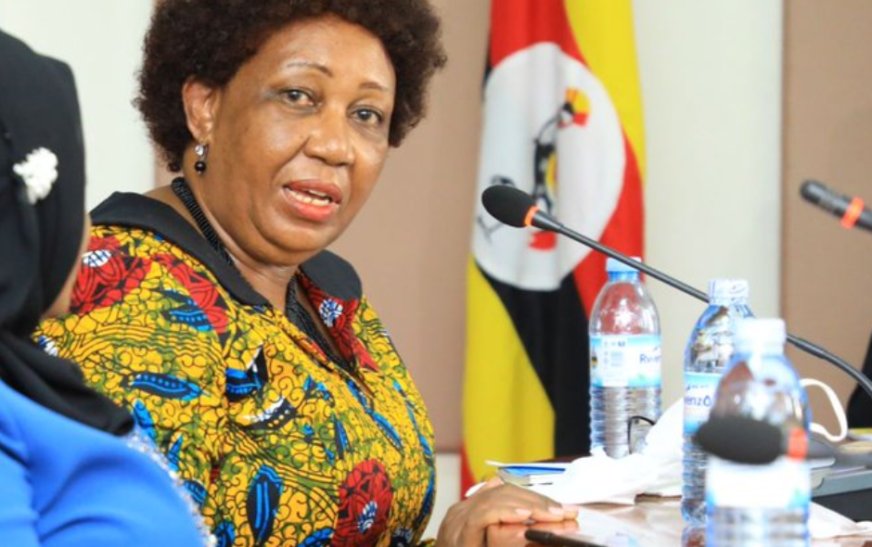
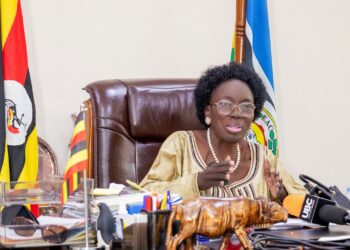
The Chairperson of the Uganda Human Rights Commission, Mariam Wangadya, has ignited a national debate after publicly criticizing the process through which commissioners are appointed to the constitutional body, describing it as a refuge for failed politicians and financially distressed individuals rather than a merit-based institution dedicated to protecting human rights.
Wangadya’s unusually candid remarks have attracted widespread attention, not only because of the severity of the criticism directed at the appointment system, but also because they come at a time when she is facing allegations of financial mismanagement and abuse of office from some of her fellow commissioners.
Speaking about the future of the Commission, Wangadya expressed concern that appointments were increasingly being used to reward individuals rejected by voters or those facing personal financial difficulties instead of selecting people with integrity, competence and credibility.
“You seem to treat the UHRC as a dumping ground for individuals who have been rejected by the electorate, or as a place to reward those who have persistently complained about poverty, financial hardship, or even their inability to afford medical treatment and ARVs,” she said.
She argued that the quality of appointments has weakened the Commission, with some members allegedly focusing on internal power struggles, lobbying influential figures and pursuing personal interests instead of fulfilling the Commission’s constitutional mandate of promoting and protecting human rights.
“How do you appoint people without credibility and expect them to strengthen this institution?” Wangadya asked.
With her tenure expected to end in September next year, she appealed to the appointing authority to prioritize integrity and professionalism when selecting the next leadership.
“When the time comes to appoint the next Chairperson and members of this Commission, I ask you to choose men and women of integrity, credibility, competence and unquestionable character,” she said.
Her remarks have been interpreted by many observers as one of the strongest public criticisms ever made by a serving head of an independent constitutional commission regarding the appointment process.
However, the comments have also exposed an apparent contradiction. Wangadya herself was appointed through the same constitutional process she now criticizes, while the commissioners she questioned were similarly appointed under the existing system.
The debate has been further intensified by ongoing disputes within the Commission itself.
Three commissioners—Simeo Nsubuga, Steven Basaliza and Jacklet Atuhaire Rwabukurukuru—have petitioned President Yoweri Museveni and the Inspector General of Government, accusing Wangadya of financial misconduct, abuse of office and maladministration.
The petition alleges irregular allocation of approximately Shs2 billion for salary enhancements, questionable procurement practices, irregular staff promotions, mismanagement of donor funds and broader governance failures within the Commission.
Wangadya has dismissed the allegations, maintaining that neither she nor the Commission has been found culpable of any wrongdoing. She has also rejected suggestions that being asked to provide documents to investigators amounts to proof of misconduct.
“If I wrote a letter saying we are investigating you, does that mean you are guilty?” she said while responding to questions from journalists.
The allegations remain under inquiry, and no findings have been made against her.
Beyond the governance dispute, Wangadya’s reference to individuals relying on antiretroviral therapy (ARVs) has also generated criticism from health and governance observers, who argue that linking HIV treatment to public appointments risks reinforcing stigma against people living with HIV.
While her broader argument centered on merit-based appointments rather than patronage, critics say the reference was unnecessary and could undermine years of efforts to combat discrimination against people living with HIV.
Her comments have also drawn political reactions.
David Lewis Rubongoya said Wangadya’s frustrations contrast with the Commission’s previous handling of complaints involving alleged torture and enforced disappearances of opposition supporters. He argued that concerns about the Commission’s independence had been raised long before Wangadya’s latest remarks.
The controversy has renewed discussion about the independence of Uganda’s constitutional commissions and whether reforms are needed in the appointment process.
Governance analysts argue that institutions such as the Uganda Human Rights Commission derive their credibility not only from constitutional protections but also from the integrity, competence and independence of those entrusted to lead them.
Wangadya’s remarks, coming amid internal disputes and ongoing investigations into her leadership, have therefore placed renewed focus on broader questions about governance, transparency and public confidence in Uganda’s independent institutions.
Whether her comments will trigger reforms to the appointment process remains uncertain, but they have reopened a national conversation about how constitutional bodies should be constituted to safeguard both their independence and public trust.



 English