















Government has called on religious leaders and administrators across Uganda to adopt proactive security measures at places of worship instead of waiting for incidents to occur before responding.
Vice President Major (Rtd) Jessica Alupo said churches, mosques and other religious institutions should treat security as a shared responsibility, given the large numbers of people who gather at these places, particularly during weekly worship services.
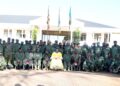

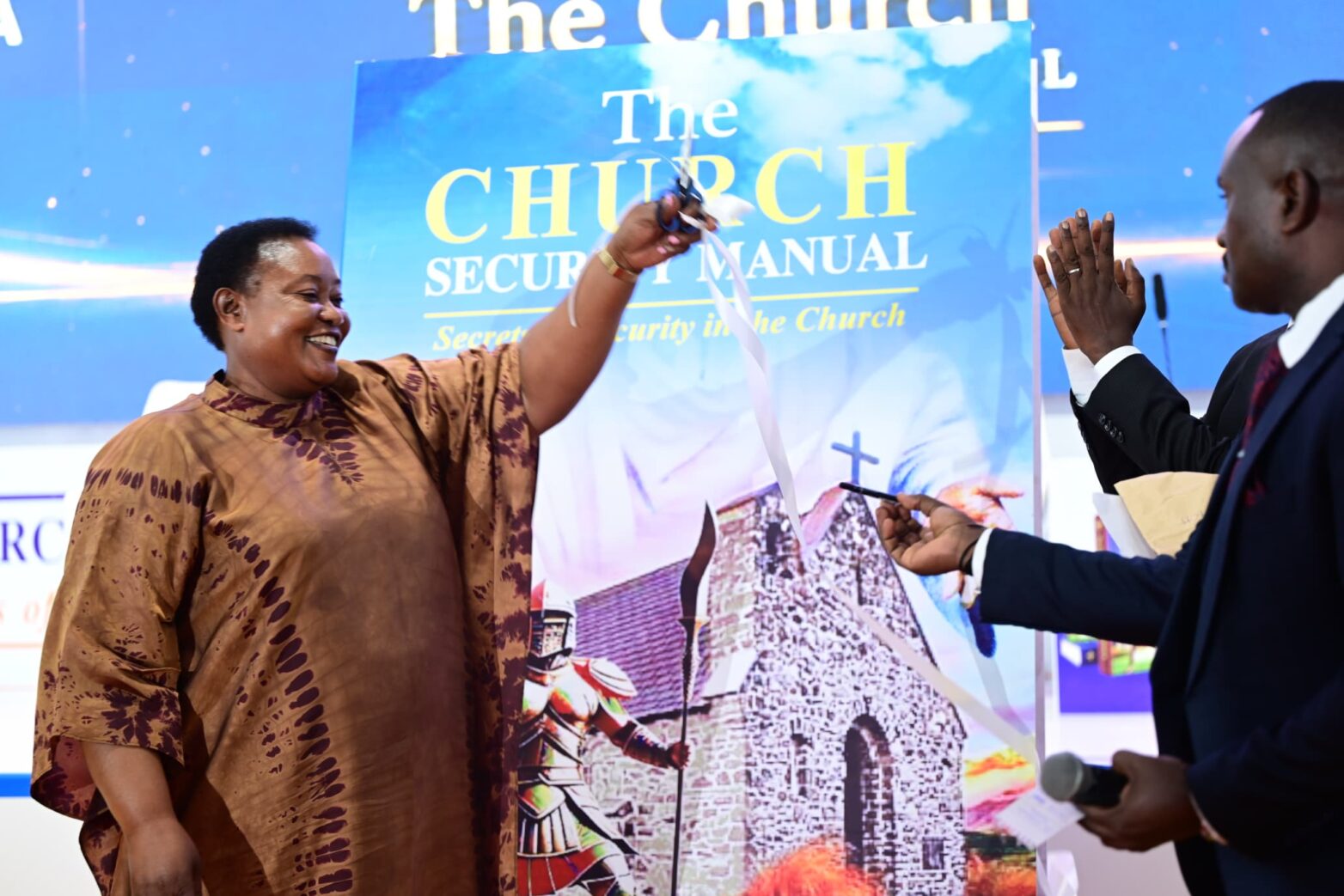
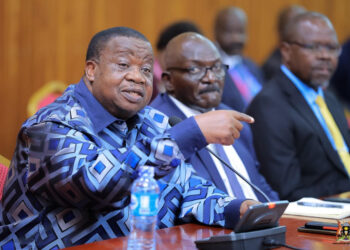
Alupo made the call in a message delivered by the Minister for the Presidency and Budiope West MP, Milly Babirye Babalanda, who represented the Vice President on Thursday at the launch of The Church Security Manual, authored by Maj. Joakim Bukenya, at Makerere University Business School (MUBS) in Nakawa.
She acknowledged that government has the primary responsibility for protecting citizens, but said individuals and institutions must also take reasonable steps to prevent threats and safeguard lives and property.
“Ensuring safety in these spaces is not merely a security matter, it is a responsibility towards human life and the protection of our communities,” Alupo said.
She urged religious institutions to identify potential risks before they develop into emergencies, stressing that prevention should take precedence over reaction.
“We should not wait for a security incident to happen before we begin asking questions about preparedness. The principle should be: prevention is better than reaction,” she said.
Alupo said the Christian faith teaches believers to trust in God for protection, but added that this does not remove the responsibility to use available knowledge, skills and resources to protect one another.
The Vice President described Bukenya’s manual as a timely contribution to Uganda’s national security discussion, particularly because it broadens the focus beyond terrorism and crime to include everyday safety challenges faced by worshippers.
According to the summary presented at the launch, the manual covers areas such as risk assessment, security planning, emergency preparedness, intelligence gathering and coordination with security agencies.
Alupo called on religious leaders and church administrators to establish practical security measures suited to their individual circumstances, regardless of the size or location of their congregations.
“I call upon religious leaders and church administrators across Uganda to take the issue of security seriously. Every church, whether large or small, urban or rural, should undertake a basic assessment of the risks facing its congregation and develop practical measures to address those risks,” she said.
She also encouraged religious institutions to strengthen their working relationships with the Uganda Police Force, the UPDF and other security agencies, saying these institutions should be involved before an incident occurs rather than only being contacted after a security breach.
Alupo further welcomed Bukenya’s proposal for the establishment of a Ministry of Church Security Awareness to sensitise and train churches across the country. She said the proposal should be pursued in consultation with religious leaders and relevant government agencies.
She linked the protection of places of worship to the broader national objective of maintaining peace, stability and social harmony.
Alupo also commended the UPDF and Uganda Police Force for their efforts to protect Ugandans and praised religious leaders for their contribution to peace, unity and moral development.
Representing the Vice President, Babalanda officially launched the manual and also urged religious leaders to support President Yoweri Museveni’s campaign against corruption.
She encouraged them to embrace government wealth-creation programmes as a way of increasing household incomes and addressing poverty.
Bukenya said the manual was designed as a practical guide for religious institutions seeking to strengthen their internal security systems.
He said it provides guidance on establishing and training church security committees, improving the role of ushers and volunteers, protecting children through effective Sunday school policies, securing church premises and parking areas, and incorporating appropriate security technologies.
“The book provides practical guidance on establishing church security committees and organising and training security committees, enhancing the role of ushers and volunteers, protecting children through effective Sunday school policies, securing church premises and parking areas, developing security integration systems and integrating appropriate technologies,” Bukenya said.
He said the manual promotes an integrated approach that brings together faith, leadership, planning, technology and professional security management.
Bukenya also commended President Museveni for his leadership and credited UPDF leadership, including Chief of Defence Forces Gen. Muhoozi Kainerugaba, for contributing to the knowledge and skills that informed the publication.
He thanked Babalanda for attending the launch on behalf of the Vice President.
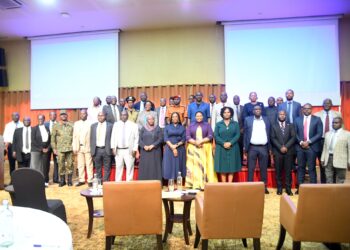
The event brought together religious leaders, security officials, academics and other stakeholders, highlighting growing calls for places of worship to strengthen preparedness and prevention as part of their responsibility to protect congregations.





 English