











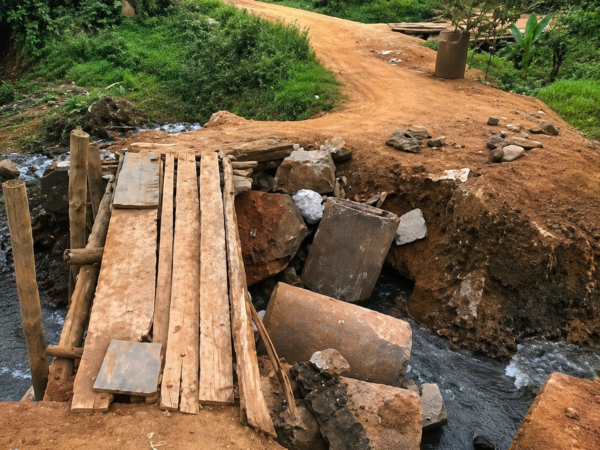
The prolonged failure to repair a bridge at Nakyetinda in Takajunge, Nama Sub-County, Mukono District has exposed gaps in the management of local infrastructure, with residents now caught between the district and sub-county authorities over who should take responsibility.
The bridge has reportedly remained impassable for about two and a half years, disrupting movement in the area and raising concerns about access to homes, farms, businesses and other services.


Residents say the structure was historically managed by Mukono District, making the district’s apparent withdrawal from its maintenance responsibilities a source of frustration.
According to Solomon Yiga, a councillor at Namubiru Sub-County, residents were surprised when they approached district authorities for assistance after the bridge collapsed and were told that responsibility for the facility had shifted to the sub-county.
Yiga said the sub-county does not have the resources required to undertake major rehabilitation works, leaving residents with limited options as the dispute over responsibility continues.
He said the local authorities are now appealing to well-wishers and factories operating within the sub-county to contribute resources towards restoring the bridge.
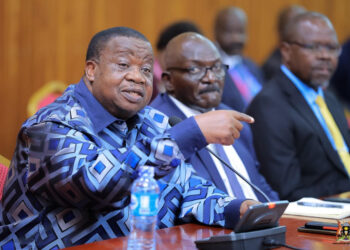
The development has attracted the attention of the Minister for Local Government Balaam Barugahara, who questioned why the bridge has remained unusable for such a long period and demanded accountability over any public funds that may have been allocated for its repair.
In a post on his X account, Balaam said he had taken note of concerns raised about the broken bridge and promised to investigate its history, including whether money had been provided for its rehabilitation.
“I will investigate the matter and establish what has happened to the funds, if any were allocated for this bridge, and why it has remained impassable for about 2½ years,” Balaam said.
He added that if an investigation establishes that funds were released, he would pursue the money and seek accountability from those responsible. Where no funding was available, he said he would engage the relevant authorities to ensure the bridge is repaired.
Balaam also said he intended to visit the area and challenged the responsible authorities to act before his arrival.
“Let the bridge be repaired before my visit if the responsible authorities can act urgently. Our people should not suffer because of negligence or mismanagement. Accountability must deliver results,” he said.
His intervention has brought renewed public attention to what had largely become a local infrastructure problem, particularly the question of how a bridge can remain broken for years while government institutions dispute who should fix it.
The case also raises broader questions about the accountability chain for community infrastructure. While local governments have different mandates for roads and bridges depending on their classification and jurisdiction, residents need clarity on which authority is responsible for a particular facility and where to seek redress when it fails.
For communities dependent on such infrastructure, prolonged administrative disputes can have consequences beyond inconvenience. A collapsed bridge can affect the movement of agricultural produce, access to markets, schools and health facilities, while also increasing the cost and time of transport.
The controversy therefore goes beyond the immediate condition of the Nakyetinda bridge. It puts the spotlight on whether local governments have clear maintenance plans, whether funds allocated for infrastructure are reaching their intended projects and whether authorities are acting quickly enough when critical infrastructure fails.
By press time, attempts to contact Mukono District Engineer Herbert Lutwama, who residents said had previously overseen management of the bridge, had not yielded a response. The district’s position on the reported transfer of responsibility to the sub-county therefore remained unclear.
As Balaam prepares to visit the area, attention will now turn to Mukono District and the sub-county authorities to clarify the bridge’s ownership and maintenance mandate, account for any funds previously allocated to it and provide a concrete plan for restoring the crossing.
For residents, however, the immediate concern is not which level of local government wins the responsibility argument. It is when the bridge will be restored and normal movement resumed.







 English