


















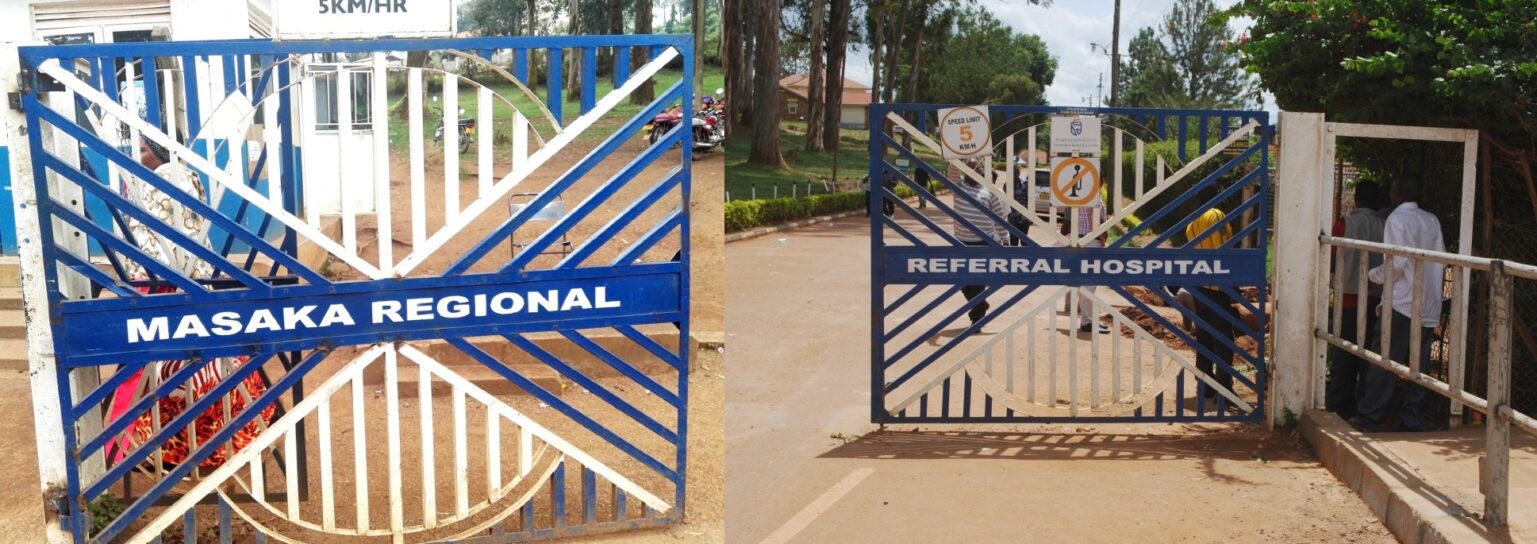
The high proportion of mothers undergoing Caesarean section deliveries at some regional referral hospitals has come under scrutiny, with Parliament demanding explanations from hospital administrators over whether the procedures are driven by genuine medical complications or failures in maternal healthcare management at lower-level facilities.
The concerns were raised by the Parliamentary Health Committee during a meeting with directors of the country’s 18 regional referral hospitals to review their performance in the 2025/2026 financial year. Legislators expressed concern over figures showing that Caesarean section deliveries account for between 30 and 52 per cent of births in some hospitals.


Ruhaama County MP Beatrice Rwakimari questioned the reasons behind the high rates, arguing that Parliament needed to establish why such a significant proportion of expectant mothers were requiring surgical intervention.
“What is it? We need to find out why 40 per cent or 52 per cent of the women, as some of you have mentioned, are being cut,” Rwakimari said.
Data from the 2022 Uganda Demographic and Health Survey, conducted by the Uganda Bureau of Statistics in partnership with the Ministry of Health, indicates that the proportion of live births delivered through Caesarean section has been steadily increasing. The rate rose from 5.7 per cent in 2011 to seven per cent in 2016 before reaching 14 per cent in 2022.
However, hospital administrators cautioned MPs against interpreting the figures as evidence of unnecessary surgical procedures, explaining that regional referral hospitals handle complicated pregnancies and receive patients referred from lower-level health facilities.
Dr Baifa Arwinyo, the Acting Director of Mbale Regional Referral Hospital, said the facility’s Caesarean section rate exceeds 30 per cent partly because of its extensive catchment area and the number of mothers referred for specialised obstetric care.
Arwinyo explained that the situation at regional referral hospitals differs from that at lower-level facilities, where most mothers are expected to deliver normally if complications are detected and addressed early.
She attributed some of the increase in surgical deliveries to improved identification of high-risk pregnancies through a Ministry of Health programme that equips health workers with skills to recognise expectant mothers who require specialised attention and timely referral.
According to Arwinyo, the intervention has enabled medical personnel to identify women who might previously have gone through pregnancy and labour without adequate assessment of the risks, potentially missing opportunities for safer delivery through Caesarean section.
However, Health Committee Chairperson and Bukonzo East MP Dr Julius Monday Rude said the figures could also point to shortcomings in the management of pregnancies at primary healthcare facilities.
Rude observed that some mothers reach regional referral hospitals only after developing serious complications that could have been identified and managed earlier. He cited obstructed labour as one of the conditions that can arise when complications are not detected promptly or when referrals are delayed, leaving emergency Caesarean section as the remaining option to save the mother and baby.
Rude also questioned reports indicating an increase in Caesarean section cases over weekends, raising concerns about the capacity of some Health Centre IVs to provide adequate maternal services during those periods.
He said regional referral hospitals had reported receiving mothers whose conditions had deteriorated while under the care of lower-level facilities, increasing the likelihood of emergency surgical deliveries.
The committee consequently urged hospital administrators to strengthen supervision and support for district hospitals and Health Centre IVs to ensure that pregnancy-related complications are identified and managed before they become life-threatening emergencies.
The debate comes against the backdrop of persistent variations in Caesarean section rates across Uganda’s health facilities.
The Ministry of Health’s Annual Health Sector Performance Report for the 2019/2020 financial year showed that the average Caesarean section rate among national referral hospitals, regional referral hospitals and large private-not-for-profit facilities declined marginally from 35 per cent in 2018/2019 to 34 per cent in 2019/2020.
During the 2019/2020 financial year, the reporting facilities conducted 45,806 Caesarean sections out of 134,503 deliveries, compared with 49,369 surgical deliveries from 139,466 births in the preceding financial year.

The report also highlighted considerable differences among hospitals. Gulu Regional Referral Hospital recorded a Caesarean section rate of 12 per cent, while St Francis Hospital Nsambya registered 51 per cent. Mbale Regional Referral Hospital recorded 33 per cent, down from 41 per cent in 2018/2019.
The Ministry recommended further examination of the differences in surgical delivery rates across referral hospitals, general hospitals and Health Centre IVs to establish the factors contributing to the variations.
Beyond concerns about possible overuse of Caesarean sections, research has also drawn attention to inequalities in access to emergency obstetric surgery, particularly in underserved districts.
A 2019 study published in BMC Pregnancy and Childbirth, which analysed information from 3,461 health facilities in 112 districts between 2012 and 2016, found that facility-based Caesarean section rates increased from 8.5 per cent in 2012 to 11 per cent in 2016.
The population-based rate also improved, rising from 3.2 per cent to 5.9 per cent during the same period.
Despite the progress, the researchers found that 80 of the 112 districts had population-based Caesarean section rates below five per cent, with 38 districts recording rates of less than one per cent. The findings pointed to substantial gaps in access to emergency surgical deliveries in several parts of the country.
The study further established that Health Centre IVs registered the fastest annual growth in Caesarean section rates, underscoring the importance of expanding emergency obstetric services closer to communities.
More recent Ministry of Health figures show improvements in the capacity of lower-level facilities to provide such services.
The Ministry’s 2025/2026 financial year performance report indicates that the proportion of Health Centre IVs conducting Caesarean sections increased from 82 per cent in 2021/2022 to 90 per cent in 2025/2026.
The proportion of facilities offering both Caesarean section and blood transfusion services also rose from 56 per cent to 82 per cent over the same period.
The expansion is intended to bring emergency obstetric care closer to expectant mothers, reduce delays in accessing life-saving interventions and ease pressure on regional referral hospitals, where many complicated pregnancies are ultimately managed.










 English
