















Parliament will reconsider two major tax Bills after President Yoweri Museveni declined to assent to the Income Tax (Amendment) Bill, 2026 and the Excise Duty (Amendment) Bill, 2026, delaying the implementation of several tax measures proposed for the 2026/27 financial year.
The President’s decision, made barely two weeks after the start of the new financial year, means the contested provisions cannot take effect until Parliament reviews his recommendations and passes revised legislation. In the meantime, the existing tax laws remain in force.

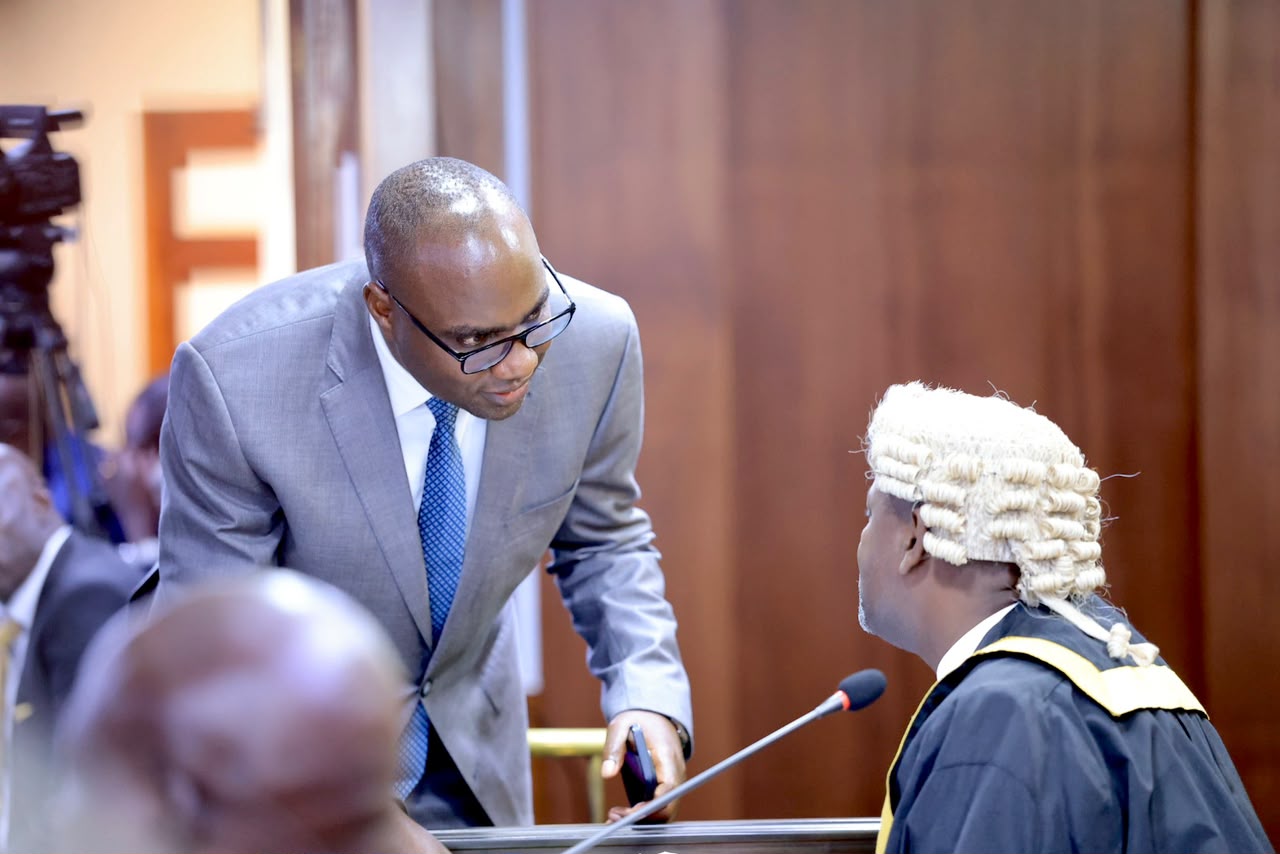
Deputy Speaker Thomas Tayebwa announced the development during Tuesday’s plenary sitting, informing Members of Parliament that the President had returned both Bills for reconsideration in accordance with Article 91 of the Constitution.
“The President is against the passing into law of Clause 11 of the Income Tax (Amendment) Bill, 2026,” Tayebwa told the House while reading the President’s communication.
One of the President’s main concerns relates to a proposal introducing a withholding tax on winnings from betting and gaming activities while exempting winnings from licensed land-based casinos.
Museveni argued that exempting one category of gaming operators while taxing another would create unequal treatment among businesses engaged in similar activities. He also warned that such an arrangement could encourage tax avoidance by allowing operators to restructure transactions to benefit from the exemption.
In his message to Parliament, the President said the proposed exemption would create opportunities for revenue leakage and lacked a sound policy justification.
The objection comes as the government seeks to strengthen domestic revenue collection while ensuring that tax policies do not distort competition within Uganda’s rapidly expanding gaming industry.
Museveni also rejected Parliament’s proposal to sharply increase excise duty on single-use plastics from the current rate of 2.5 percent or US$70 per tonne, whichever is higher, to 25 percent or US$1,500 per tonne, whichever is higher.
Although legislators approved the increase to discourage plastic pollution and promote environmental protection, the President argued that the proposed tax hike was excessive and could place an unnecessary burden on manufacturers.
He noted that Uganda’s manufacturing sector still relies heavily on plastic packaging because affordable alternatives remain limited. According to the President, imposing such a significant tax increase at this stage could raise production costs, discourage investment and negatively affect employment.
The disagreement underscores the challenge of balancing environmental protection, domestic revenue mobilisation and industrial growth.
The two Bills are part of the annual tax legislation that normally comes into effect at the beginning of each financial year. Their return means the disputed tax measures will remain on hold until Parliament concludes the reconsideration process and the President assents to the revised Bills.
For businesses, especially betting companies, casino operators and manufacturers of plastic products, the decision means the current tax framework remains unchanged for now. While this offers temporary certainty, it also delays clarity on the final tax regime that will apply during the 2026/27 financial year.
The President’s decision also triggered a procedural debate in Parliament.
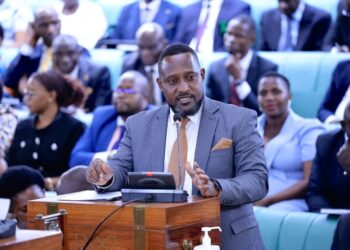
Bbaale County MP Charles Tebandeke questioned whether the Bills should undergo fresh scrutiny because they were initially processed by the dissolved 11th Parliament. He argued that the newly constituted 12th Parliament should reintroduce and reconsider the legislation through its committees.
However, Tayebwa rejected the argument, saying the President acted within the constitutional 30-day period provided under Article 91. He subsequently directed that remarks alleging a constitutional breach be removed from the official parliamentary record.
The Bills will now be referred to the relevant parliamentary committees for review before being returned to the House for debate and possible amendment.
The development highlights the significance of presidential assent in Uganda’s legislative process. Although Parliament is responsible for passing laws, the President has the constitutional authority to return Bills for reconsideration where he believes amendments are necessary.
Parliament must now decide whether to revise the disputed provisions in line with the President’s recommendations or maintain its original position, a move that will shape the country’s tax policy and government revenue strategy for the remainder of the financial year.






 English