















A government proposal to write off more than UGX 16.85 billion in tax arrears for three entities has reignited debate in Parliament over the transparency and fairness of Uganda’s tax waiver system.
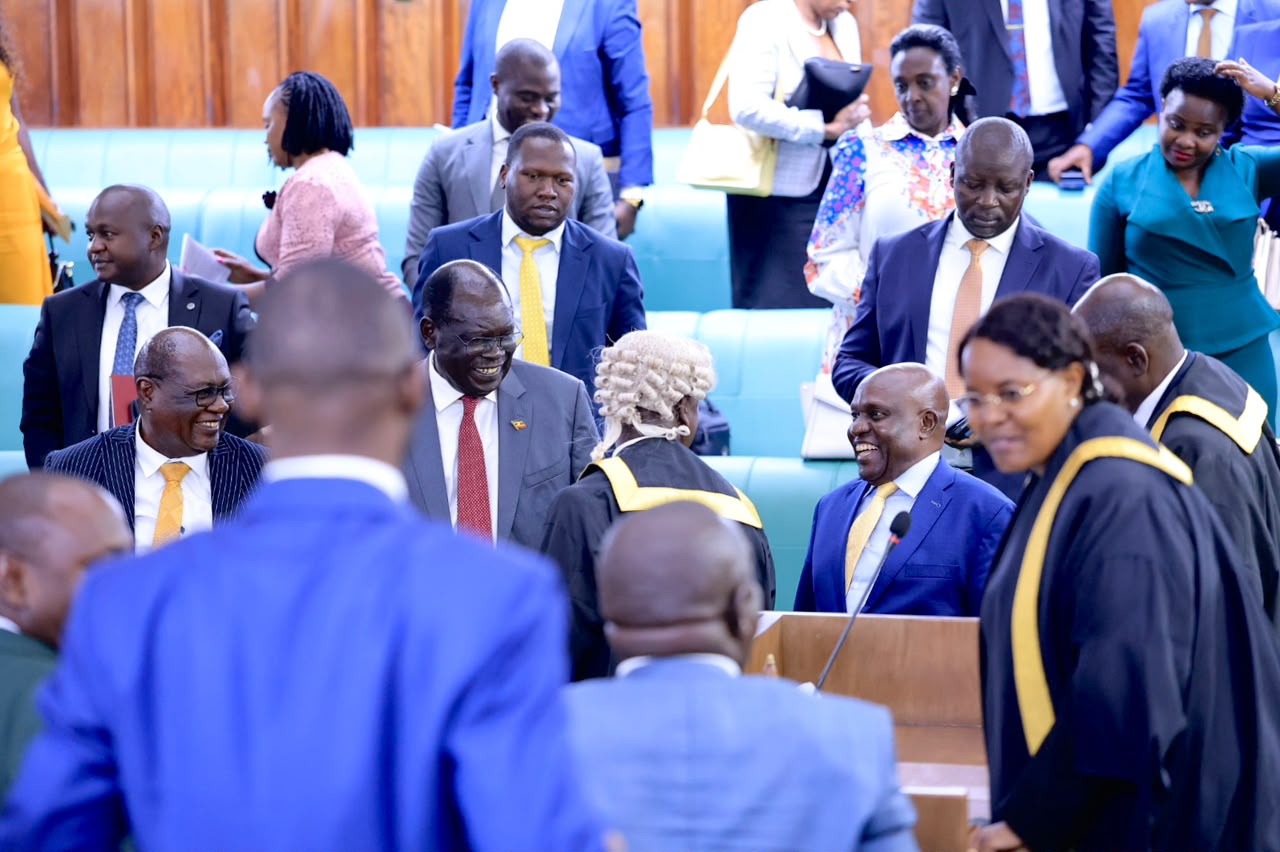
During Tuesday’s sitting, Finance Minister Henry Musasizi tabled three motions seeking parliamentary approval to waive outstanding tax liabilities owed by Ankole Western University, Uganda Printing and Publishing Corporation (UPPC) and K-Roma Limited.


If Parliament approves the requests, Ankole Western University will receive a waiver of more than UGX 1 billion in Pay As You Earn (PAYE) tax arrears, UPPC will have over UGX 13.9 billion written off, while K-Roma Limited will benefit from a waiver of approximately UGX 1.86 billion.
Under Section 40(1) of the Tax Procedures Code Act, large tax waivers require parliamentary approval following recommendations from the Uganda Revenue Authority (URA) and the Ministry of Finance. Such waivers are generally considered where there is public interest, financial distress, economic viability or developmental value.
However, legislators shifted the discussion from the beneficiaries to concerns over the criteria used to determine who qualifies for tax relief.
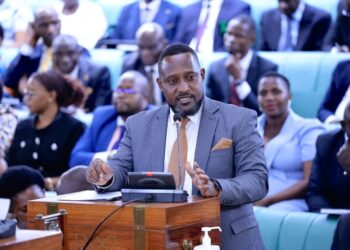
Kassanda North MP Patrick Nsamba questioned the transparency of the process, saying many taxpayers remain unaware of how beneficiaries are selected.
“We need to have a discussion on tax waivers so that the public knows who qualifies and what procedures are followed,” Nsamba said.
Kalungu West MP Joseph Ssewungu shared similar concerns, noting that numerous businesses and institutions are burdened by tax arrears but only a handful eventually receive parliamentary consideration for waivers.
“Many people are seeking tax waivers, and we would like to understand the procedure used to determine those who qualify,” Ssewungu said.
Deputy Speaker Thomas Tayebwa asked the Ministry of Finance to address the concerns before Parliament proceeds with consideration of the motions.
Responding to the concerns, Musasizi acknowledged the need for a more open process and pledged greater transparency in the administration of tax waivers.
“We want to achieve transparency in the way we do things,” the minister said.
He added that the government intends to establish a system where any eligible taxpayer can apply for relief without relying on personal connections.
“I want a businessman from Kassanda, who does not know any of us, to access our system and be able to apply for a waiver just like anyone else. When we return to this matter, I will provide full details,” Musasizi said.
The concerns mirror debates raised during the 11th Parliament, indicating that questions surrounding the fairness and accessibility of tax waivers remain unresolved.
In February 2025, Parliament approved tax waivers worth more than UGX 9.5 billion for six entities, including Nkumba University, Busoga University, Makerere Business Institute, J2E Investment Corporation, Nicontra Limited and Kisiizi Hospital Power Limited.
At the time, lawmakers questioned whether ordinary taxpayers had equal access to the waiver process and whether the criteria for granting relief were sufficiently transparent.
The issue comes at a time when Uganda is intensifying efforts to increase domestic revenue to finance public services, infrastructure development and debt obligations while reducing reliance on borrowing.
According to the Ministry of Finance’s Tax Expenditure Report for the 2023/24 financial year, the government forewent an estimated UGX 3.609 trillion through tax exemptions, incentives and discretionary relief. The amount represented about 1.78 percent of Gross Domestic Product (GDP) and approximately 13 percent of total tax revenue collected during the year.
The report also indicates that tax expenditures have continued to rise, although limitations in available data suggest the actual value could be even higher.
The figures have fuelled an ongoing policy debate over the effectiveness of tax incentives. While the government argues that targeted waivers support investment, preserve strategic institutions and stimulate economic growth, economists have cautioned that poorly targeted tax relief can erode the country’s revenue base, distort competition and undermine domestic revenue mobilisation if not guided by clear and transparent criteria.
The motions have now been referred to Parliament’s Committee on Finance for scrutiny before returning to the House for debate and a final decision.
As lawmakers consider the latest requests, they must also confront a broader policy challenge: how to support deserving institutions without weakening Uganda’s tax base or undermining public confidence in the fairness of the tax system.








 English