












Uganda’s civic environment in 2024 presented a complex mix of progress and regression, according to a new report by the National Coalition of Human Rights Defenders Uganda (NCHRD-U).
The report, titled “Citizenry Perspectives on the Trends, Patterns and Prospects on Civic Engagement Landscape in Uganda”, offers a sobering look at the state of civic space in the country, highlighting key developments affecting freedom of expression, assembly and political participation.


Supported by funding from the European Union and the Ministry of Foreign Affairs of Denmark (Danida), the 54-page report provides both commendations and warnings.
While it acknowledges some government initiatives aimed at improving civic space, it also documents growing repression, especially toward civil society actors, environmental activists and opposition supporters.
A Mixed Civic Landscape
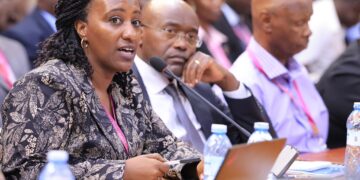
According to Bob Kirenga, Executive Director of the National Coalition of Human Rights Defenders Uganda, the report reflects on how Uganda’s civic environment has evolved over the past year and what that evolution means for citizen participation, democratic governance and the protection of human rights.
Kirenga emphasized that civic space refers to the environment that allows individuals and groups to contribute to public life, influence policies, access information and freely express their views without fear of reprisal.
While some positive steps were noted, the report stresses that they were often overshadowed by restrictive actions and policy omissions that threatened the very essence of civic engagement in Uganda.
Environmental Activists Under Pressure
One of the report’s most concerning revelations is the escalating confrontation between the government and environmental activists.
The year 2024 saw increased public protests against extractive projects, particularly oil developments in the Albertine region and the controversial East African Crude Oil Pipeline (EACOP).
A significant number of these protests were organized by young Ugandans and student activists, who demanded environmentally responsible practices in the oil and gas sector.
However, government response was swift and forceful. In August 2024 alone, at least 72 activists were arrested, bringing the total number of detentions related to oil protests since May to 81.
Among the incidents highlighted, 21 activists were arrested on August 26 during a peaceful march aimed at delivering a petition opposing EACOP. Earlier that same month, 47 students were detained while protesting similar environmental concerns.
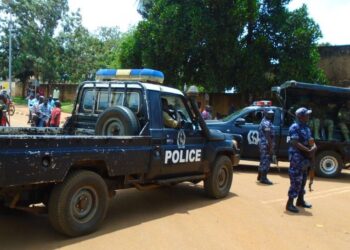
Despite the nonviolent nature of these demonstrations, the report notes that the Ugandan police and military often responded with intimidation, force and unlawful arrests.
“These arrests were part of broader tactics aimed at silencing human rights defenders and discouraging civil society from advocating for environmental protection,” the report states.
The protests targeted a number of high-profile oil projects, including the Kingfisher and Tilenga sites, which are being developed by international corporations such as TotalEnergies and the China National Offshore Oil Corporation (CNOOC).

The Rise of Abductions and Political Intimidation
Beyond environmental issues, the report also outlines the continued repression of political participation, especially among members and supporters of the opposition National Unity Platform (NUP).
It states that over 100 NUP supporters were held incommunicado in 2024, many of them abducted in what are locally referred to as “drone” arrests, where individuals are taken by unidentified vehicles and disappear without formal charges or trial.
“This environment of intimidation is compounded by allegations of torture and attempts to compromise those in custody,” the report says, adding that these actions contribute to a growing climate of fear among citizens.
The report also details instances where opposition Members of Parliament were barred from holding lawful meetings, in direct violation of constitutional guarantees that protect political freedoms and civic rights.
Laws Exist, But Practice Lags Behind
Despite a legal framework that supports civic engagement and political participation, the report concludes that enforcement remains selective and often repressive.
It paints a grim picture of a state where constitutional rights are undermined by security agencies and political actors seeking to control public discourse and dissent.
“The persistence of these tactics signals a deliberate attempt to close civic space and discourage political engagement,” the report warns.
A Call for Reform
Looking ahead, the National Coalition of Human Rights Defenders Uganda is urging the government to protect civic freedoms and ensure that citizens can express their views and participate in governance without fear.
“The health of our democracy depends on open and inclusive civic space,” said Bob Kirenga. “Suppressing this space only serves to weaken the foundations of good governance and public trust.”
The findings of the report come at a critical time, as Uganda moves forward with major extractive projects and prepares for future electoral cycles.
Whether the government will take steps to safeguard civic freedoms remains a question of national importance.








 English