















The Uganda Law Society has questioned the legality of recent top Judiciary appointments, warning that unresolved constitutional disputes surrounding the Judicial Service Commission could cast doubt over the process used to elevate new judicial leaders.
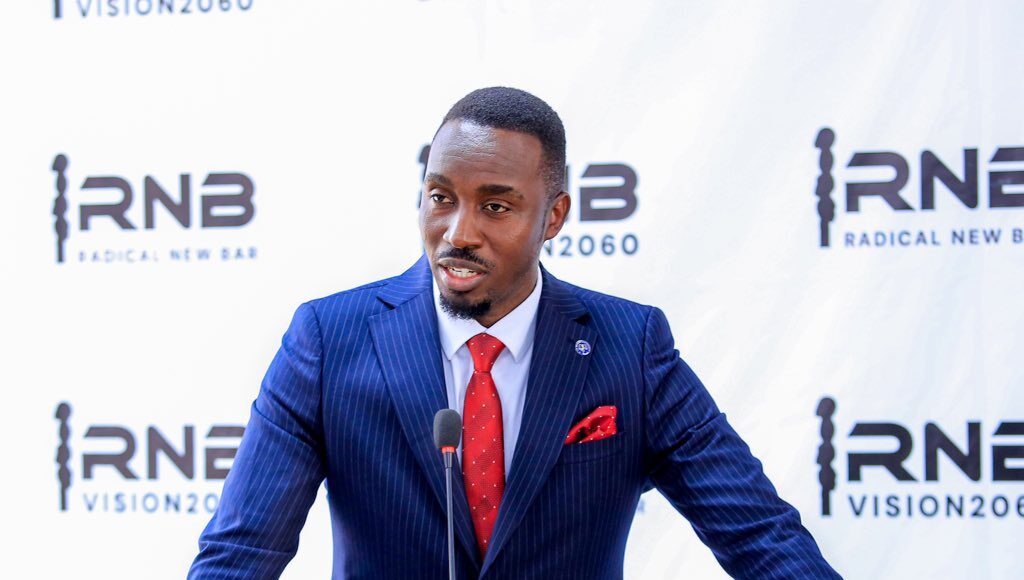
In a statement released shortly after the appointments were announced, ULS Vice President Asiimwe Anthony said the Society is concerned that the appointment of Justice Moses Kazibwe Kawumi as Deputy Chief Justice and Agnes Alum as Chief Registrar was undertaken before pending constitutional petitions challenging the operations of the JSC are determined.

According to the lawyers’ body, Constitutional Petition No. 11 of 2025 and Constitutional Application No. 12 of 2025 currently before the Constitutional Court contest the legality of the composition of the Judicial Service Commission, the amended Judicial Service Act, and the 2025 Judicial Service Regulations.
The Society argues that the Commission is operating contrary to Article 146 of the Constitution because it does not currently include duly elected representatives from the Uganda Law Society. ULS maintains that any recruitment or recommendation processes conducted in the absence of its representatives may later be invalidated by court.
While emphasizing that it supports efforts to fill key vacancies within the Judiciary, the Society warned that proceeding with appointments before the constitutional questions are settled could trigger future legal battles and damage public trust in the justice system.
The lawyers’ umbrella body also criticized delays in resolving Civil Appeals 98 and 99 of 2025, saying the matters were removed from the Court of Appeal cause list in July 2025, thereby slowing the process of electing ULS representatives to the Commission.
Asiimwe urged the Constitutional Court to urgently hear and conclude all pending matters connected to the JSC dispute in order to avoid further uncertainty over judicial appointments and the legitimacy of decisions arising from the current Commission.
The Society insisted that its position should not be interpreted as opposition to the appointees themselves, but rather as a defense of constitutionalism, judicial independence, and transparent appointment procedures.
The controversy now adds a fresh legal and constitutional dimension to the latest changes within Uganda’s Judiciary, with attention likely to shift to how quickly the courts address the pending petitions challenging the Judicial Service Commission.










 English