
















Prime Minister Robinah Nabbanja has directed the Uganda Revenue Authority (URA) to reorganise the deployment of its enforcement teams following complaints from traders about repeated inspections of goods that have already undergone customs clearance.
The directive follows concerns that some business operators are experiencing multiple interceptions along transport routes, with different URA teams stopping the same consignments despite earlier verification and clearance. Traders say the practice causes unnecessary delays, increases the cost of doing business and disrupts the movement of merchandise.


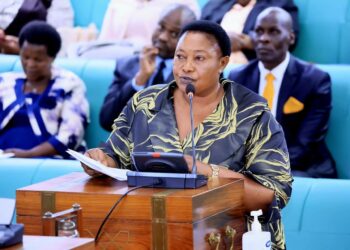
Addressing Parliament on Thursday, Nabbanja acknowledged the concerns, saying she had instructed URA to examine how its enforcement personnel are deployed to avoid duplication of operations and ensure that compliant traders are not inconvenienced.
“I have directed URA to review the deployment of its enforcement teams so that traders who have complied can have their goods released faster,” Nabbanja told legislators.
She explained that the increased enforcement activity was partly driven by attempts to address tax evasion involving merchandise entering Uganda through informal routes, particularly goods transported in small quantities that are difficult for authorities to monitor.
According to the Prime Minister, some traders reportedly settle taxes in Kenya before bringing merchandise into Uganda through fragmented consignments, including luggage transported on public buses, motorcycles and three-wheeled tuk-tuks.

Such practices, she said, complicate efforts by tax authorities to establish whether the goods have been subjected to the appropriate taxation before entering the Ugandan market.
“Uganda was losing tax revenue on those consignments,” Nabbanja said.
The matter is expected to receive further government attention on Monday, November 23, when President Yoweri Museveni meets URA officials and other enforcement agencies to discuss the challenges surrounding customs operations and the concerns raised by traders.
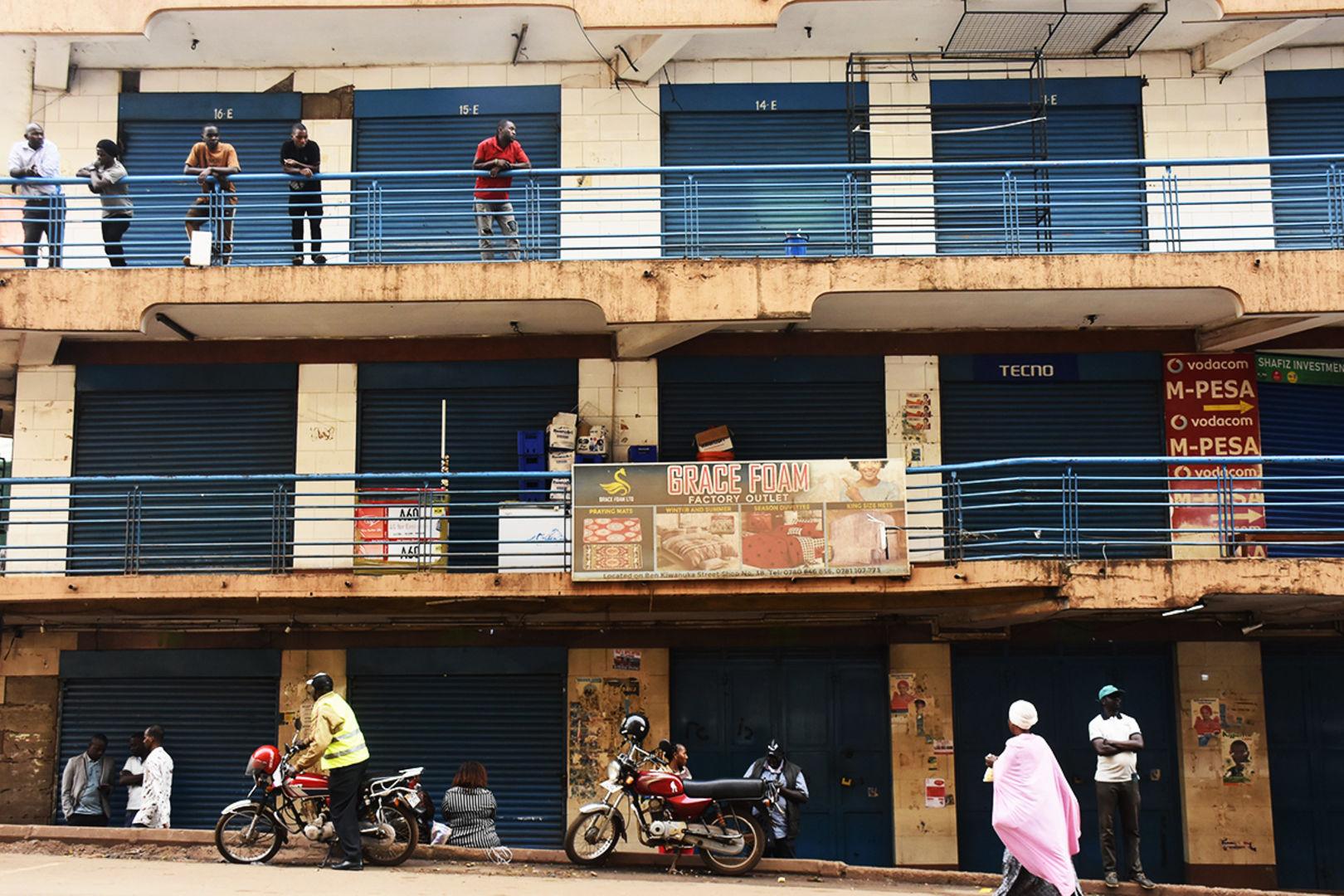
The development comes against the backdrop of shop closures and protests by Kampala traders, operating under the Kampala City Traders Association (KACITA) and other business groups. The traders have been demanding reforms to what they describe as excessive taxation, cumbersome customs procedures and heavy-handed enforcement by tax authorities.
Much of the discontent centres on the taxation of imported textiles and garments, with traders arguing that the combined effect of import duties, domestic taxes and customs clearance requirements has made formal importation increasingly expensive.
They contend that the current tax framework undermines the competitiveness of legitimate businesses and encourages some importers to explore alternative routes through neighbouring countries.
Government has, however, appealed to traders to call off their industrial action as Cabinet considers their grievances, including proposals to review the taxation of textiles and align Uganda’s tax treatment with arrangements in other East African Community (EAC) member states.
Uganda implements the EAC Common External Tariff, alongside domestic tax requirements that include an 18 per cent Value Added Tax (VAT) on applicable imports and import withholding tax, generally charged at six per cent in qualifying circumstances.
Traders argue that the cumulative tax obligations, coupled with customs valuation methods that consider the weight of imported clothing, significantly increase the cost of bringing merchandise into the country through formal channels.
The government maintains that the movement of undeclared goods and smuggling deprive the country of revenue, create unfair competition for compliant businesses and undermine efforts to promote locally manufactured products under the Buy Uganda, Build Uganda (BUBU) policy.
URA’s enforcement operations are not limited to textile imports. The authority also conducts surveillance and interception exercises along border points and major inland transport routes to detect undeclared commercial merchandise and prevent revenue leakages.
Although previous estimates have placed Uganda’s annual losses from smuggling and illicit cross-border trade at hundreds of millions of dollars, Nabbanja did not provide a specific figure for the revenue lost through the small-consignment practices she highlighted in Parliament.
Her directive is therefore aimed at striking a balance between strengthening tax enforcement and eliminating operational weaknesses that expose legitimate traders to repeated inspections.
The anticipated meeting with Museveni is also expected to examine coordination between URA and other enforcement agencies, as well as wider tax and customs policy issues that could be contributing to informal trading practices.
Deputy Speaker Thomas Tayebwa has asked the Prime Minister to return to Parliament with an update on the outcome of the Cabinet deliberations.
The dispute highlights the growing tension between the government’s efforts to expand domestic revenue collection and the need to maintain an efficient and predictable trading environment.
While authorities insist that stronger enforcement is necessary to protect public revenue and promote fair competition, traders want a customs system in which cleared merchandise can move without repeated interruptions.
For Uganda’s business community, the outcome of the proposed interventions could have significant implications for import costs, market competitiveness and confidence in the country’s customs administration.







 English
