













Thursday, August 6, 2026
  • About
  • Advertise
  • Careers
  • Contact
Insight Post Uganda
  • Home
  • NewsHot
    • Health
    • Politics
    • Religion
    • Lifestyle
    • World News
    • Tourism
    • Environment
    • Agriculture
  • Business
    Minister David Bahati (3rd left) posing for a photo with the Stanbic Uganda team led by the Bank's Chief Executive Mumba Kalifungwa(centre) after the launch

    Stanbic Bank Launches Direct China Payment System to Boost Trade

    Patrick Nsamba Oshabe

    Contractors Blame Government Payment Delays for Stalled Power Projects

    Centenary Bank Loses Bid to Halt Execution of UGX 146.8 Million Court Award

    Centenary Bank Loses Bid to Halt Execution of UGX 146.8 Million Court Award

  • Sports
    Rogers Sebyondwa

    Bulemeezi Player Dies After Suffering Injuries In Kyaggwe Masaza Cup Match

    Cissy Nantongo

    Sports Fraternity Mourns Former She Corporate Captain Cissy Nantongo

    More Than 400 Arrested After PSG Champions League Celebrations Turn Violent

    More Than 400 Arrested After PSG Champions League Celebrations Turn Violent

  • Education
    Israel Y.K. Lubogo

    Young Ugandan Author Honoured for Building Africa’s Intellectual Heritage

    Jerry Evans Bigabwa

    Ugandan Law Student Wins Continental Student Leadership Award

  • In Luganda
    Betty Nambooze, Mukono Municipality MP

    Kibuule Akubye Mu Nambooze Ebituli, Talina Kyakoledde BannaMukono Okujjako Okujoboja

    Omubaka Gwetwalonda Teyadda-Abekyampisi Betondedde Kibuule

    Omubaka Gwetwalonda Teyadda-Abekyampisi Betondedde Kibuule

    Counsel George Musisi ng'alaga emu ku kaadi mu lukungana lw'amawulire

    Munnamateeka Wa NUP Atambula Nju Ku Nju Ng’ Asaggula Obuwagizi  

  • In Photos
    Ronald Kibuule at Mukono recently.

    Kibuule Poised for Return as Museveni Signals Endorsement in Mukono North

    Katikiro presiding over the opening of the renovated official residence of the Buddu County Chief at Ssaza grounds in Masaka City on Tuesday. Pictures by Robert Nsubuga.

    Pictorial:  Katikiro Mayiga Slams Masaka People Over Poor Hygiene

    Ismael-Kifudde-the-Mukono-Police-Division-Officer-in-Charge-directing-Nambooze-not-to-use-the-route-heading-to-town-center

    Moments of Excessive Force Against Betty Nambooze in Recent General Elections

  • Profiles
    Brig. Gen. Kiyengo (center) posing for the photo with the members of Nakifuma Rotary Club who promised to attend his book launch.

    CUTTING THROUGH HELL: UPDF Medic Chronicles Uganda’s Silent War in Somalia Through Powerful Memoir

    L-R MP Mawogola South (Sembabule)-Goreth Namugga, Councillor Amiri Kiggundu, COTFONE Coordinator-Kayinga Yisito Muddu and Mr Xavier Ejoyi, Country Director ActionAid International Uganda at the award event

    National Citizens’ Integrity Awards 2024: Unsung Heroes Celebrated

    Shaping Perceptions: Patricia Namiwanda, a Blind Advocate Of Change

    Shaping Perceptions: Patricia Namiwanda, a Blind Advocate Of Change

  • Op-Ed
    • Editorial
    • Opinion
  • Login
No Result
View All Result
Insight Post Uganda
Home Opinion

Why Uganda’s New General Cleaning Policy Misses the Mark

Insight Post Uganda by Insight Post Uganda
August 6, 2026
in Opinion
Reading Time: 4 mins read
A A
0
National Cleaning Day Must Inspire a Culture of Cleanliness, Not Just Three Hours of Compliance

By Habibu Sseruwagi

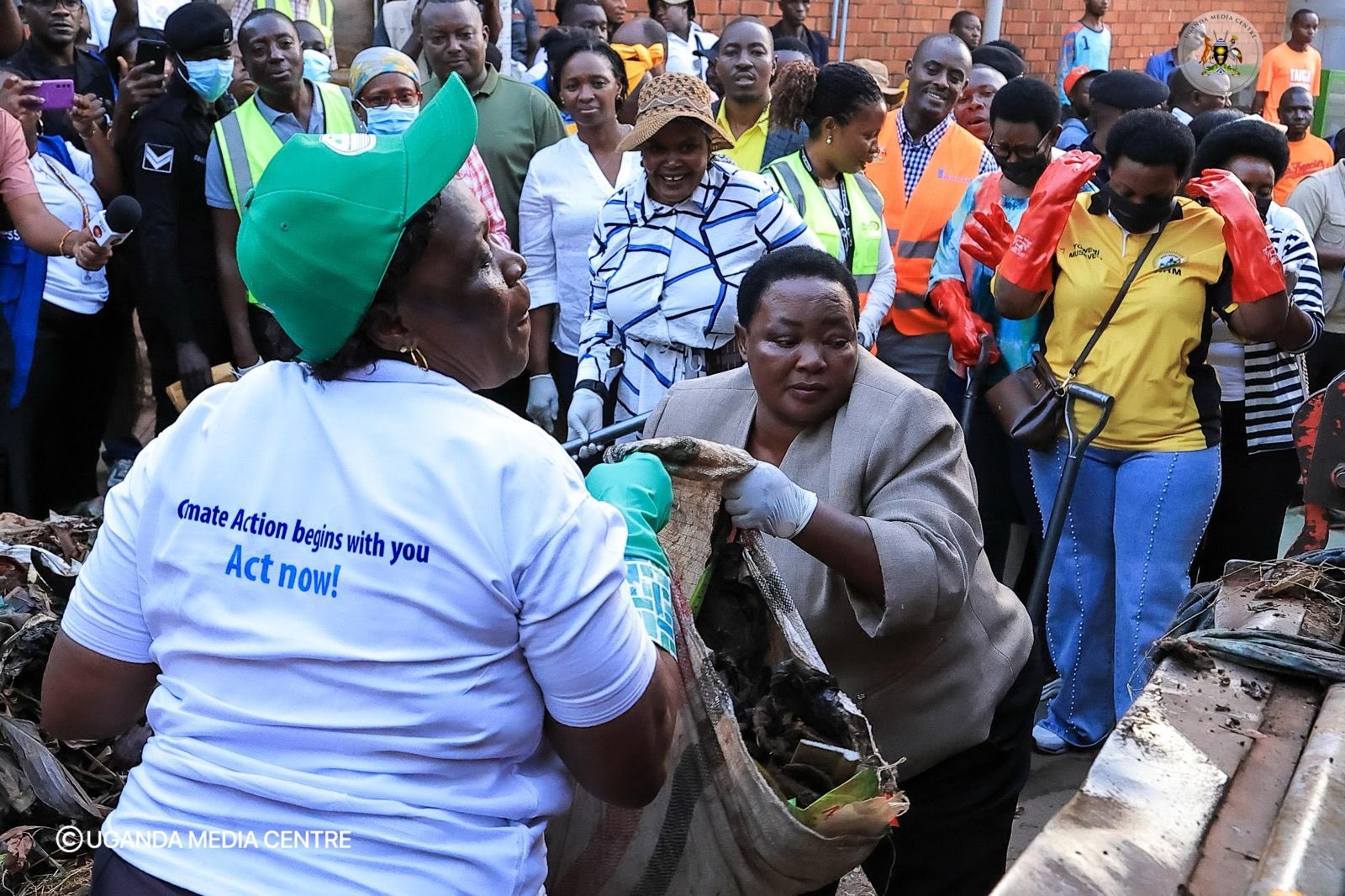
Uganda’s National Cleaning Day was launched with the promise of transforming civic responsibility and environmental stewardship, but its rollout has already exposed the hallmarks of policy failure. What was meant to be a unifying exercise has instead revealed the dangers of coercion, poor planning, and lack of stakeholder engagement. The architects of this initiative must confront the reality that patriotism cannot be legislated through roadblocks and directives; it must be cultivated through persuasion, structure, and genuine ownership.


Related posts

KCCA Faces Tough Questions Over Illegal Buildings, Drainage Failures Behind Kampala Floods

KCCA Faces Tough Questions Over Illegal Buildings, Drainage Failures Behind Kampala Floods

July 31, 2026
Lord Mayor Balimwezo Sets Conditions for Meeting Gen. Muhoozi Over Kampala Roads

Lord Mayor Balimwezo Sets Conditions for Meeting Gen. Muhoozi Over Kampala Roads

June 29, 2026

The coercive nature of the policy is its most glaring flaw. Forcing citizens to clean by halting transport and erecting roadblocks is not civic engagement—it is disruption. People should not be compelled to sweep streets under duress; they should be encouraged to participate willingly. Patriotism thrives when citizens feel part of a shared mission, not when they are ordered into compliance. The government’s approach risks alienating the very people it seeks to mobilize, turning a potentially inspiring exercise into a resented obligation. The first day’s below-average response is evidence that compulsion breeds apathy, not enthusiasm.

Religious and social realities were ignored. Saturday is a day of worship for Adventists, yet no accommodation was made for their practices. Travelers heading to airports or returning from journeys were caught in the paralysis of blocked roads. The policy assumes that halting the country for four hours is harmless, but the economic cost of lost productivity, disrupted commerce, and delayed services is significant. No serious analysis has been offered to justify this trade-off. A government that claims to prioritize economic growth cannot afford to dismiss the impact of immobilizing its citizens, even temporarily.

Logistical questions remain unanswered. Where will the rubbish be deposited after sweeping? Who will supply the brooms, and at what cost? Citizens walking to work cannot be expected to carry cleaning tools, nor can communities be expected to improvise waste disposal systems. Without clear mechanisms for collection, recycling, and disposal, the exercise risks becoming symbolic rather than substantive. Sweeping without a plan for waste management is not cleaning—it is displacement of dirt. The absence of logistical clarity underscores the lack of planning that has plagued this initiative from the start.

The policy’s legitimacy is undermined by its ad hoc nature. If this initiative had been introduced as a National Service Bill debated in Parliament, it would have carried the weight of law and the structure of institutional backing. Instead, it was announced suddenly, with implementation beginning in mere days. Citizens expect directives of national importance to come from the President, not from hurried pronouncements. Without legislative grounding, the policy feels short-lived, a passing experiment rather than a sustainable program. Uganda had since last year to plan, mobilize resources, and build consensus, yet the rollout was rushed and haphazard.

Stakeholder involvement was conspicuously absent. Imagine if Ministers, Members of Parliament, civil society organizations, local council leaders, and religious leaders had been engaged in structuring this initiative. With broad-based support, the policy could have gained legitimacy and momentum. Instead, it was imposed from above, leaving ordinary citizens feeling excluded. National programs succeed when they are co-owned by the people, not when they are handed down as decrees. The lack of sensitization and consultation explains why the response on the first day was muted. Citizens were not prepared, not informed, and not motivated.

The irony is that the idea itself is good. Uganda desperately needs improved sanitation, waste management, and civic responsibility. But good ideas fail when poorly executed. This policy is bound to fail because it lacks planning, organization, and popular support. It is unpopular not because Ugandans reject cleanliness, but because they reject coercion, disruption, and exclusion. The government must return to the drawing board if it hopes to salvage the initiative.

A successful national cleaning program would be voluntary, structured, and inclusive. It would be preceded by months of sensitization campaigns, resource mobilization, and stakeholder engagement. It would provide clear answers to logistical questions: where waste will go, who supplies tools, how communities are supported. It would respect religious practices and economic realities, ensuring that participation enhances rather than disrupts daily life. Above all, it would inspire patriotism rather than enforce it.

Citizens should feel proud to join, not compelled to obey.Uganda can learn from Rwanda’s Umuganda, but it must adapt the model to its own context. Rwanda’s compulsory approach works within its unique political culture, but Uganda’s pluralistic society requires persuasion, not force. A National Service Bill debated and passed by Parliament would give the program structure and legitimacy. Involving leaders across sectors would ensure buy-in. Building awareness campaigns would make citizens see cleaning not as a burden but as a shared responsibility. Only then would the initiative have meaningful impact.

As it stands, the National Cleaning Day is a textbook case of policy failure. It lacks planning, structure, and popular support. It disrupts rather than engages, compels rather than inspires. Unless the architects of the program return to the drawing board, it will remain short-lived, another directive that fails to take root. Uganda deserves better. A nation’s cleanliness should be a reflection of its people’s pride, not of their obedience. True patriotism is not forced—it is nurtured. And until the government understands this, the broom will remain a symbol not of unity, but of mismanagement.

The author is a member of the Equal Opportunity Commission of Uganda.

Tags: Habibu SseruwagiKCCANational Cleaning Day
ShareTweetPin
Previous Post

Parliament Interdicts Chris Obore, Six Senior Officials Over Corruption Charges

Next Post

Minister Babalanda Warns Against Collusion Between CAOs, RDCs, Ghost Learners And Drug Theft

Related Posts

Rescue efforts continue at the scene of a devastating road crash after a passenger bus was left extensively damaged following a collision.
Opinion

From Traffic Accidents To Manslaughter: Time To Prosecute The Dealers Of Counterfeit Automative Spare Parts 

August 5, 2026
Twiine Mansio Charles
Opinion

The Machiavellian Pivot: When National Survival Outweighs Ideological Loyalty 

August 3, 2026
By Richard Okuku, Secretary General
Opinion

The Uganda Local Governments Association position on District and City Service Commissions as a Formidable Approach to Effective Decentralization in Uganda

August 3, 2026
Twiine Mansio Charles
Opinion

Break The Chains Of Sabotage: How Grand Inga Will Reclaim Africa’s Future 

July 30, 2026
Edrine Benesa
Opinion

EDRINE BENESA: Breaking Barriers to President Museveni’s Universal Education Vision

July 29, 2026
National Cleaning Day Must Inspire a Culture of Cleanliness, Not Just Three Hours of Compliance
Health

National Cleaning Day Must Inspire a Culture of Cleanliness, Not Just Three Hours of Compliance

July 26, 2026
Next Post
Minister for the Presidency Hon. Babirye Milly Babalanda addresses local government leaders during a meeting at Imperial Royale Hotel in Kampala

Minister Babalanda Warns Against Collusion Between CAOs, RDCs, Ghost Learners And Drug Theft

RECOMMENDED NEWS

ULS President Ssemakadde Faces Three Legal Challenges in Courts

Uganda Law Society Condemns Election Violence in Kawempe North

1 year ago
IG Rallies Masaka Residents to Vote Out Corrupt Leaders

IG Rallies Masaka Residents to Vote Out Corrupt Leaders

2 years ago
Glass bottles of beer with glass and ice on dark background

Uganda’s Alarming Expenditure: Ugx2.6 Trillion On Alcohol-Related Diseases

2 years ago
Winner pose for a photo with Justice Fatumah Nanziri, the Masaka Resident High Court Judge.

Masaka High Court Judge Calls for Professionalism Among Lawyers

8 months ago

FOLLOW US

Insight Post Uganda

We bring you the most balanced news professionally investigated by our news team. The Insight Post is Uganda’s News company regulated by the Uganda Communications Commission.

Follow us on social media:

Recent News

  • UPC’s Jimmy Akena Raises Alarm Over Child Malnutrition Crisis
  • Minister Babalanda Warns Against Collusion Between CAOs, RDCs, Ghost Learners And Drug Theft
  • Why Uganda’s New General Cleaning Policy Misses the Mark

Category

  • Agriculture
  • Business
  • Editorial
  • Education
  • Environment
  • Health
  • Lifestyle
  • Luganda
  • News
  • Opinion
  • Photos
  • Politics
  • Profiles
  • Religion
  • Runyankole
  • Security
  • Sports
  • Tourism
  • Uncategorized
  • World News

Recent News

Jimmy Akena

UPC’s Jimmy Akena Raises Alarm Over Child Malnutrition Crisis

August 6, 2026
Minister for the Presidency Hon. Babirye Milly Babalanda addresses local government leaders during a meeting at Imperial Royale Hotel in Kampala

Minister Babalanda Warns Against Collusion Between CAOs, RDCs, Ghost Learners And Drug Theft

August 6, 2026
  • About
  • Advertise
  • Careers
  • Contact

© 2024 The Insight post Uganda - The Insight post uganda. Site Powered by Bookablehood Ltd.

Welcome Back!

Login to your account below

Forgotten Password?

Retrieve your password

Please enter your username or email address to reset your password.

Log In
error: Content is protected !!
en_USEnglish
en_USEnglish
No Result
View All Result
  • Home
  • Politics
  • Business
  • Sports
  • Lifestyle
  • Tourism
  • Opinion

© 2024 The Insight post Uganda - The Insight post uganda. Site Powered by Bookablehood Ltd.