














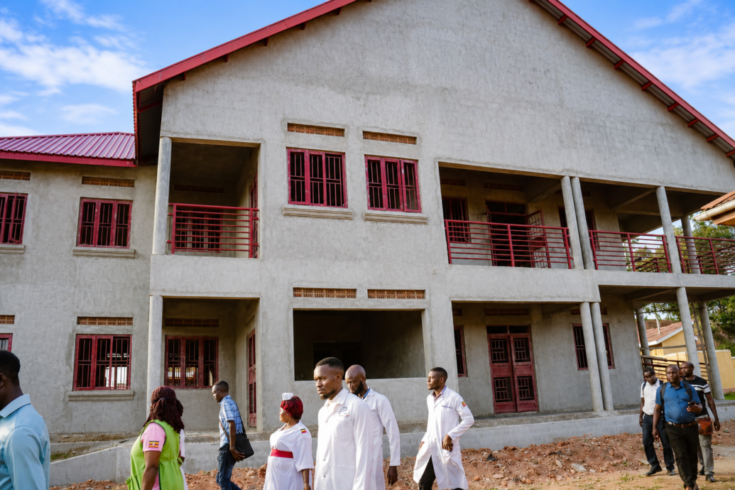
MUKONO. Every morning, long before the outpatient department officially opens at Goma Health Centre III in Mukono Municipality, patients are already lining up for treatment.
Malaria, respiratory infections and childhood illnesses dominate the waiting area, but behind the daily rush lies a growing challenge facing Uganda’s public health system: providing quality healthcare to both citizens and a rising number of refugees.
The facility, which receives more than 100 outpatients every day, has increasingly become a reflection of Uganda’s broader healthcare realities, where expanding infrastructure must keep pace with growing demand driven by population growth, urbanisation and regional humanitarian crises.
According to Goma Health Centre III In-charge David Sserunjogi, the facility has witnessed periodic surges in patient numbers linked to the influx of Sudanese refugees staying in Goma Division.
“On a normal day we attend to over 100 patients. The common illnesses are malaria and coughs, but sometimes the numbers increase because of the Sudanese influx, and the medicines we planned for become insufficient,” Sserunjogi said.
Uganda remains Africa’s largest refugee-hosting country, sheltering nearly two million refugees and asylum seekers, the majority from South Sudan, Sudan and the Democratic Republic of Congo.
Since conflict escalated in Sudan in April 2023, thousands more have continued entering Uganda, increasing pressure on health facilities not only in refugee settlements but also in urban and peri-urban areas where displaced people seek medical care.
While humanitarian agencies continue supporting refugee health services, experts warn that host community facilities are increasingly absorbing additional patients without a corresponding increase in funding, medicines or health workers.
Beyond serving Mukono Municipality, Goma Health Centre III also provides technical support to nearby Health Centres, including Nyanja, Kyungu and Nantabulirwa, making it a critical healthcare hub for surrounding communities.
Patients requiring specialised treatment are referred to Mukono General Hospital, Naguru or Mulago National Referral Hospital. However, these referrals often come with delays that can prove costly during medical emergencies.
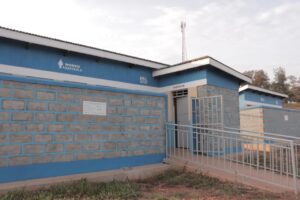
Recognising these growing challenges, Mukono Municipality has embarked on an ambitious plan to elevate Goma Health Centre III into a fully-fledged Health Centre IV, a move expected to transform healthcare delivery in the fast-growing municipality.
The Municipal Principal Medical Officer, Dr. Sylvia Nanono, said significant progress has already been made towards achieving the upgrade.
“We have achieved a lot. The theatre is nearing completion, where we shall begin handling emergencies. We have also constructed a modern medical store for medicines and supplies, improved hygiene and sanitation, upgraded our laboratory and strengthened security through the construction of a perimeter wall,” Dr. Nanono said.
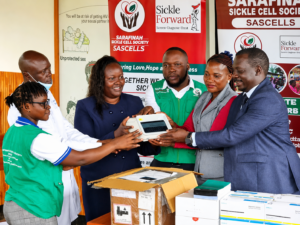
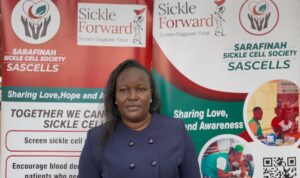
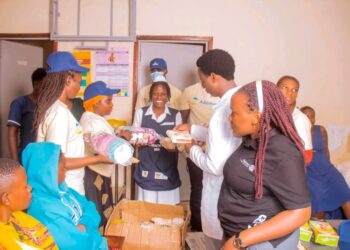
One of the latest additions to the laboratory is a specialised sickle cell diagnostic machine donated by Sarafinah Sickle Cell Clinic in partnership with Sickle Forward. The equipment can confirm sickle cell disease on-site, reducing dependence on external facilities for diagnosis while improving early detection among children.
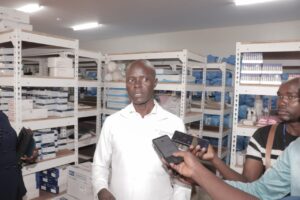
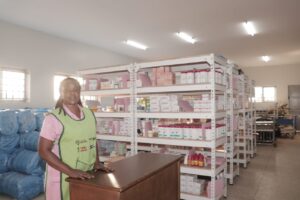
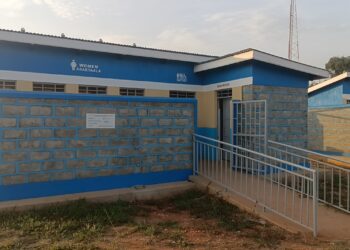
Another major investment is the construction of a spacious medical store, replacing the cramped facility that previously served the health centre.
Supported by the Ministry of Health and the Global Fund, the new store is expected to improve medicine storage, stock management and distribution, not only for Goma Health Centre III but also for surrounding health facilities through a coordinated last-mile delivery system.
Previously, medicines were stored in overcrowded conditions that complicated inventory management and delayed retrieval of urgently needed supplies. The larger facility introduces proper shelving, organisation and storage standards aligned with national pharmaceutical management guidelines.
However, the centrepiece of the Health Centre IV upgrade remains the construction of a fully functional operating theatre.
Once operational, the theatre will significantly reduce referrals by enabling doctors to perform emergency and major surgical procedures, including caesarean sections, hernia repairs, hysterectomies and exploratory abdominal surgeries.
The development is particularly significant given Goma’s strategic location along the busy Kampala-Jinja highway, where road traffic accidents frequently require urgent surgical intervention.
“Previously, when mothers developed complications during childbirth, our only option was referring them elsewhere,” Dr. Nanono explained.
“Sometimes Mukono General Hospital would already be full, forcing us to call facilities like Kawempe, Naguru or Mulago. Every transfer increases delays, and in healthcare, delays can cost lives.”
The financial burden of referrals has also been substantial. Ambulances transporting critically ill patients require fuel, specialised equipment and skilled health workers who remain away from the facility during transfers.
Reducing unnecessary referrals is expected to improve emergency response while lowering operational costs.
Beyond Goma Health Centre III, Mukono Municipality is also investing in strengthening lower-level health facilities.
Plans are underway to acquire land for the expansion of Kyungu Health Centre II, while laboratory services at Nantabulirwa Health Centre II have already been improved.
The municipality has also intensified community health outreach programmes, which Dr. Nanono says have contributed to increased patient attendance as more residents gain confidence in the quality of care available.
Despite the infrastructure gains, staffing remains one of the municipality’s biggest challenges.
The Health Centre IV model requires doctors, theatre personnel and emergency staff to be available around the clock. However, limited staff accommodation threatens the sustainability of expanded services.
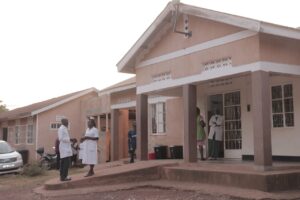
“We have only a few staff houses, about four blocks, yet we need more critical staff living within the facility. A Health Centre IV requires a doctor on duty 24 hours a day, seven days a week, but currently we do not have enough accommodation,” Dr. Nanono said.
The situation mirrors a nationwide challenge. While Uganda has made steady investments in health infrastructure through the Primary Health Care Development Programme, many upgraded facilities continue to struggle with shortages of health workers, medical equipment and operational funding.
For Mukono Municipality, the transformation of Goma Health Centre III into a Health Centre IV represents more than a construction project. It is an investment in reducing preventable deaths, shortening emergency response times and strengthening the resilience of a frontline health facility serving both Ugandans and those seeking safety within the country’s borders.
If completed and adequately staffed, the upgraded facility could become a model for how strategic investment in primary healthcare can help Uganda respond to rising demand while easing pressure on overcrowded referral hospitals.
ENDS.







 English