
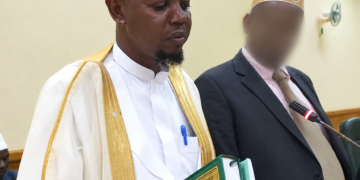

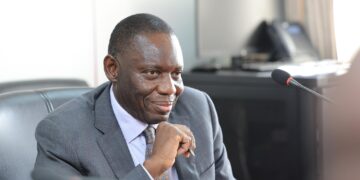








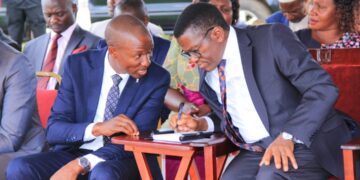



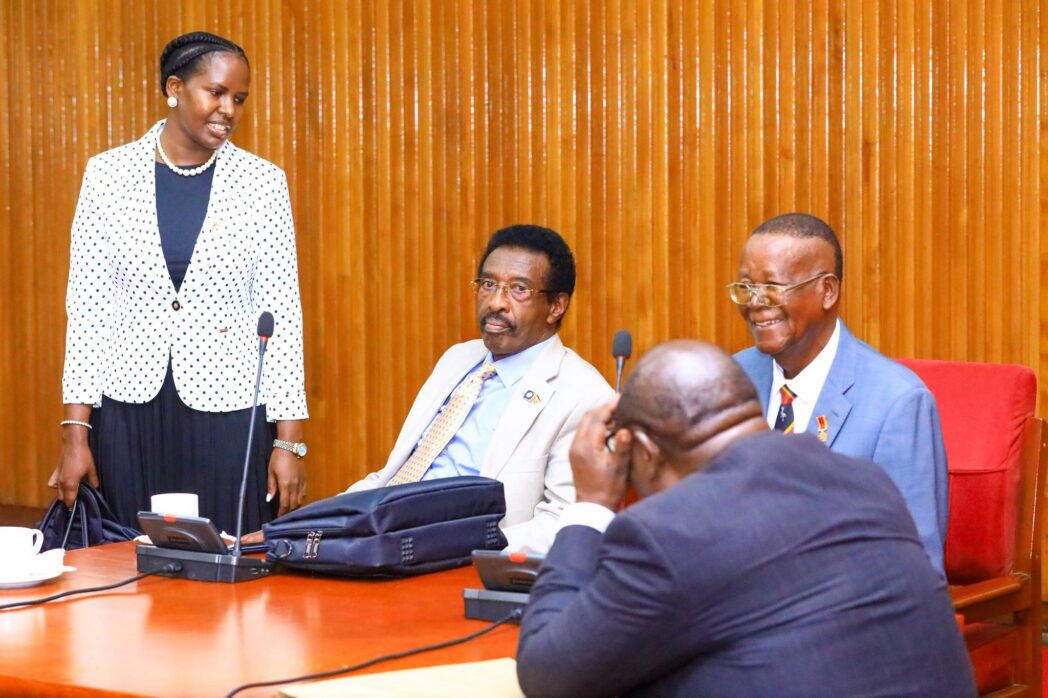
The Committee on Appointments of Parliament of Uganda on Monday started the formal vetting of newly appointed Cabinet Ministers and Ministers of State, kicking off a constitutional procedure that will determine which of President Yoweri Museveni’s latest nominees will be cleared to assume office.
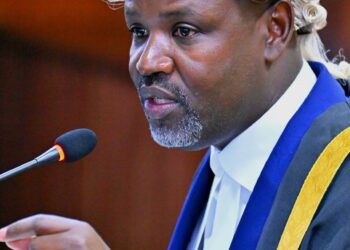
The sittings, chaired by Speaker of Parliament Markson Jacob Oboth, mark the first major step in finalising the composition of the new Cabinet following the recent reshuffle announced by the President.

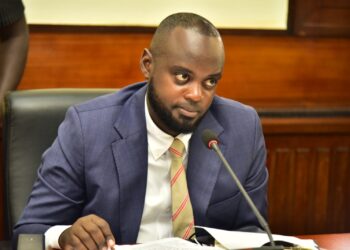
Among the first officials to appear before the committee was Dr. Chris Baryomunsi, who was redeployed from the Ministry of ICT and National Guidance to head the Ministry of Health.
His new role places him at the centre of a sector grappling with persistent challenges, including overstretched health facilities, shortages of essential medicines, gaps in staffing, and the need to strengthen surveillance systems for outbreaks such as Ebola and other infectious diseases.
Former Attorney General Kiryowa Kiwanuka also appeared before the committee as a nominee for Minister of Defence and Veteran Affairs.
If approved, he will oversee one of the government’s most sensitive portfolios, responsible for defence policy, military administration, and veteran welfare.
State Minister for Agriculture Frank Tumwebaze, who retained his position in the reshuffle, was also among the early nominees vetted.
His continuity is expected to support ongoing agricultural reforms in a sector that remains a backbone of Uganda’s economy and a major employer.
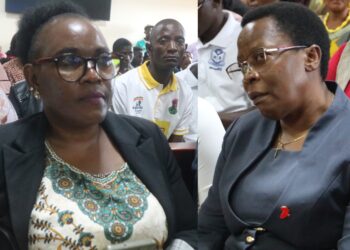
Other officials who appeared before the committee included Minister for the Presidency Milly Babalanda, veteran politician Ephraim Kamuntu, Maj. Gen. Jim Muhwezi Katugugu, and Minister for Kampala Capital City and Metropolitan Affairs Minsa Kabanda.
The vetting process is grounded in Article 113 of the Ugandan Constitution, which requires parliamentary approval of ministerial appointments made by the President before they can formally take office.
It is also guided by the Rules of Procedure of Parliament, which empower the committee to assess nominees based on academic qualifications, professional experience, integrity, leadership capacity, and overall suitability for public service.
Constitutional lawyer Nicholas Opiyo said the process remains a critical safeguard in the balance of power between the executive and legislature, noting that it ensures ministerial appointments meet standards of competence and public trust.
Political analyst Dr. Sarah Bireete observed that while most nominees are typically approved, the exercise still plays an important role in public accountability, allowing scrutiny of the leadership capacity and readiness of those entrusted with key national responsibilities.
Historically, the Appointments Committee has occasionally rejected nominees over concerns related to qualifications, integrity, corruption allegations, or constitutional eligibility, even though approvals remain the most common outcome.
The current vetting exercise comes at a politically significant moment, coinciding with the inauguration of the 12th Parliament and renewed government efforts to implement Uganda’s Fourth National Development Plan National Development Plan IV, which prioritises industrialisation, human capital development, wealth creation, and improved public service delivery.
The committee is expected to continue hearings over the coming days before issuing its final report, after which successful nominees will be sworn in to formally begin their ministerial duties.










 English