















As the world prepares for the COP30 climate summit in Brazil, a new ActionAid report has uncovered alarmingly low investment in “just transition” efforts — raising fears that vulnerable communities will continue to shoulder the burden of the global shift toward a greener economy.
According to the report, Climate Finance for Just Transition: How the Finance Flows, only 2.8% of global climate finance currently goes toward just transition initiatives — programmes designed to ensure that workers, women and frontline communities are protected as the world phases out fossil fuels and industrial agriculture.


The study analysed funding streams from two major global climate funds — the Green Climate Fund and the Climate Investment Funds — revealing that just one in 50 projects (1.96%) meaningfully supports communities through a fair transition. Put another way, only one dollar in every 35 allocated to climate action supports just transition initiatives.
ActionAid argues that this lack of investment risks deepening inequalities and igniting backlash against climate policies, particularly in the Global South.
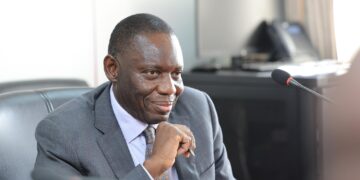
“The world urgently needs action to prevent climate breakdown, but it should be the polluters, not the workers and communities, who pay the price,” said Arthur Larok, Secretary General of ActionAid International. “Our new report shows just transition approaches are jaw-droppingly underfunded. If just transition continues to be overlooked, then there’s a real risk that inequalities will deepen.”
Teresa Anderson, the report’s author and ActionAid’s Global Lead on Climate Justice, emphasised that the transition to clean energy and agroecology must not harm people already facing climate impacts.
“No-one should have to choose between a secure job and a safe planet,” she said. “Without just transition approaches, climate action risks unintended harm, backlash, and ever-more delay.”
Communities Under Threat
The report highlights communities already suffering from unjust environmental practices. In Maranhão, Brazil — part of the Amazon region — families who have depended for generations on harvesting babassu palm coconuts say they are being pushed off their land to make way for commercial agriculture.
Residents report intimidation, including pesticide spraying by drones and aircraft, which has caused serious health issues. Although such attacks have been banned, ActionAid notes weak enforcement, while deforestation and land grabbing continue.
Jessica Siviero, Climate Justice Specialist at ActionAid Brazil, warned that industrial agriculture is destroying vital ecosystems.
“The Amazon is the lungs of the planet, and the Cerrado is its veins. The world must move away from harmful industrial agriculture and toward agroecological approaches that cool the planet and feed people,” she said. “Just transition needs to apply to agriculture too.”
Call for a Global Just Transition Plan
With a week to go before COP30 opens in Belém, ActionAid is calling for world leaders to adopt a “Belém Action Mechanism” — a global framework to coordinate and support just transition strategies.
“This is a critical opportunity for global climate action to evolve for the better,” said Anderson. “COP30 needs to deliver a global plan for just transition to support those on the frontlines and unleash the action our planet urgently needs.”
ActionAid and its allies insist that the shift to renewables and sustainable agriculture must protect workers’ rights, retrain affected communities, and ensure food and energy remain affordable.
As global leaders gather in Brazil, the report serves as a stark reminder: addressing the climate crisis without fairness risks leaving millions behind — and ultimately undermines the transition itself.





 English