











By Fred Muzaale | Kayunga
Kayunga District has embarked on a transformative initiative aimed at tackling chronic absenteeism among pupils by ensuring access to clean and safe water in all government-aided primary schools.


The five-year project, spearheaded by Well Roots Foundation Inc., a U.S.-based non-governmental organization, seeks to construct or rehabilitate water sources in all 167 government-aided primary schools across the district.
According to Dr. Dan Bubaale, the Kayunga District Education Officer, the intervention is timely and strategic, given that poor access to clean water has been identified as one of the leading causes of absenteeism and school dropouts in the district.
“The school dropout rate in Kayunga stands at around eight percent. One of the key drivers is the lack of clean and safe water, which affects hygiene, attendance, and even concentration in class,” Dr. Bubaale said.
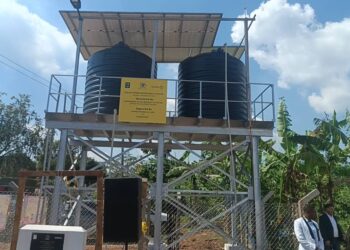
Under the project, Well Roots Foundation will drill new boreholes, rehabilitate non-functional ones, and connect some schools to piped water systems in partnership with the National Water and Sewerage Corporation (NWSC).
Mr. Pinto Lutaaya, a board member of Well Roots Foundation, explained that the initiative goes beyond water provision—it addresses the underlying challenges that hinder learning and safety, especially for girls in rural areas.
“Most rural schools in Kayunga lack reliable water sources. Pupils, particularly girls, walk long distances to fetch water, which exposes them to safety risks and keeps them away from class,” Lutaaya said. “This project is restoring dignity, health, and hope in our schools.”
Before implementation, the Foundation conducted a comprehensive baseline survey across all government-aided schools to identify the most water-stressed areas. The findings are guiding a phased rollout, ensuring that schools in greatest need are prioritized.
The initiative is being implemented under a formal Memorandum of Understanding (MoU) signed between the Foundation and the Kayunga District Local Government, reinforcing a partnership approach to community development.

“This is more than just water provision—it is about creating a safer, healthier, and more enabling learning environment for our children,” Dr. Bubaale emphasized.
According to Mr. Julius Kabiito, the Kayunga District Water Officer, the district’s water coverage currently stands at 75 percent, but several rural communities—particularly in the cattle corridor of Bbaale County—still struggle with access to clean water.
“This initiative will not only benefit schools but also surrounding communities, many of whom rely on the same water sources,” Kabiito said.
Teachers and school leaders have also welcomed the project. Ms. Harriet Kyolaba, a head teacher in Kayonza Sub-county, noted that inadequate water supply has particularly affected girls’ attendance due to menstrual hygiene challenges.
“Many girls stay home during their menstrual periods because schools lack water for proper hygiene. With this project, we expect to see improved attendance and confidence among our female learners,” she said.
The clean water project is expected to significantly reduce absenteeism, improve hygiene and health conditions, and create a safer learning environment—laying the foundation for better educational outcomes in Kayunga District.








 English