




The Ministry of Energy and Mineral Development faced tough questioning from Parliament’s Public Accounts Committee (PAC) over inconsistencies in the accounting of Shs17.3 billion in government counterpart funding under the Uganda Rural Electrification Access Project (UREAP).
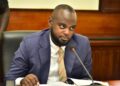
The committee, chaired by Kassanda North MP Patrick Nsamba Oshabe, was reviewing the Auditor General’s report for the financial year ending June 30, 2025, when ministry officials led by Permanent Secretary Eng. Irene Pauline Bateebe struggled to explain differences between the Auditor General’s findings, the project’s financial records and the ministry’s submissions regarding the use of the funds.
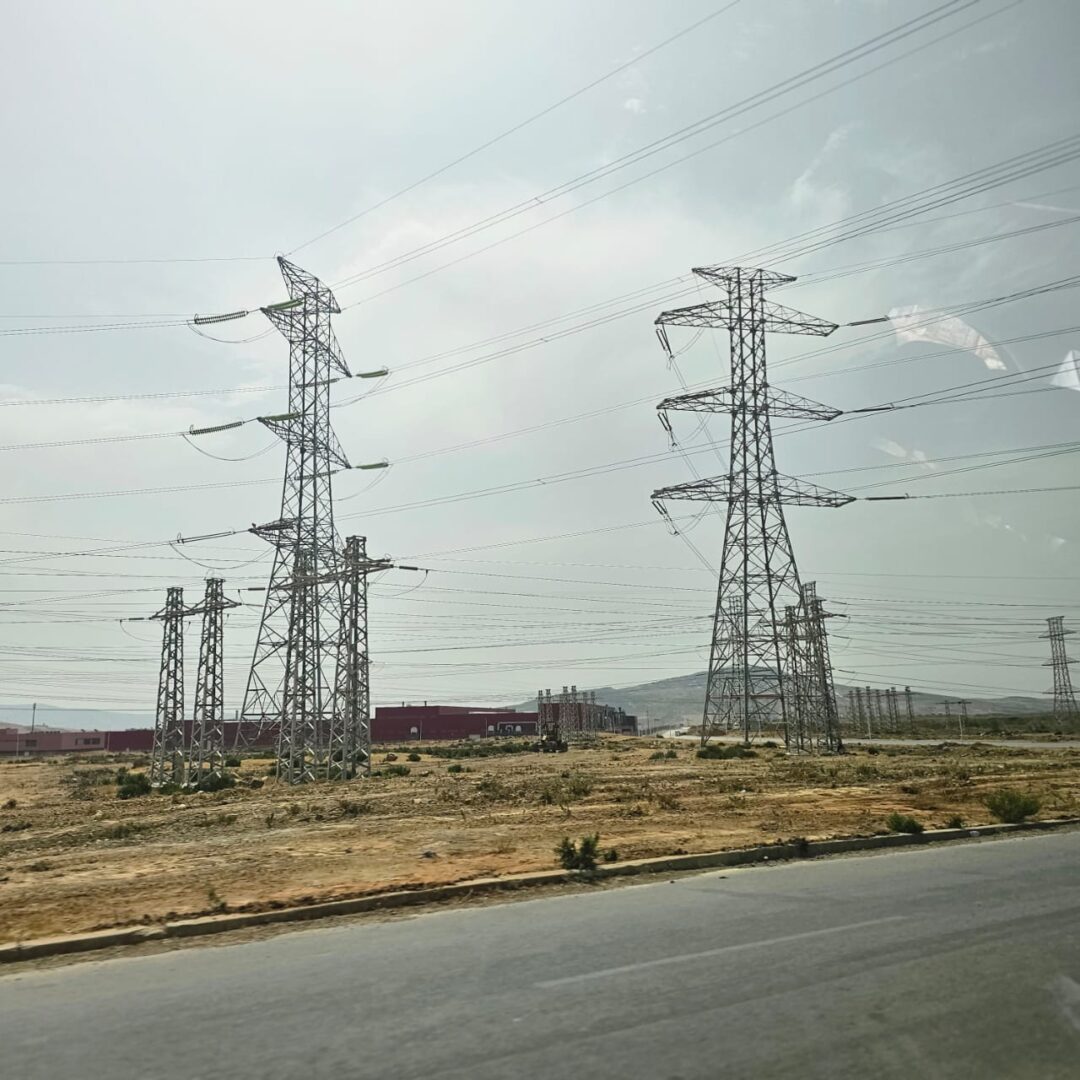
The disputed funds formed part of the government’s counterpart contribution to the African Development Bank-funded electricity access project.
According to the Auditor General’s report, government approved compensation amounting to about Shs34 billion for Project Affected Persons (PAPs). However, by the time of the audit, only about Shs14.6 billion, representing roughly 40 percent of the approved compensation, had been paid.
Ministry officials told MPs that most of the counterpart funding was earmarked for compensating landowners affected by the construction of electricity infrastructure, while a smaller portion was used for environmental restoration activities such as tree planting.
However, legislators questioned why the project’s financial statements showed that the full Shs17.3 billion government allocation had been spent, yet compensation records indicated only Shs14.6 billion had been paid to affected persons during the audit period.
Oshabe insisted that every shilling approved by Parliament must be fully accounted for, saying public funds cannot be reported as spent without clear supporting documentation.
In response, ministry officials explained that part of the counterpart funding covered operational costs associated with the compensation process, including property valuation, field verification, and facilitation of compensation teams.
The explanation did little to convince committee members.
Oshabe noted that the ministry had initially indicated that almost all the funds were intended for compensation, but later introduced additional expenditure categories that had not been clearly reflected in earlier submissions.
The committee also questioned the ministry after officials disclosed that the African Development Bank had approved the use of an additional Shs13.48 billion from uncommitted loan funds to finance compensation because government delayed releasing part of its counterpart contribution.
MPs observed that the combined government contribution and additional donor financing amounted to nearly Shs30 billion available for compensation. They questioned why only Shs14.6 billion had been paid to Project Affected Persons during the period covered by the audit.
Bateebe explained that the Auditor General’s report reflected the project’s financial position as of June 30, 2025, and that more compensation payments were made before the project officially closed on March 31, 2026.
Committee members, however, questioned why the ministry’s written responses to Parliament continued to rely on the earlier figures instead of updated financial records reflecting the project’s closure.
The hearing also revealed that approximately 32,000 Project Affected Persons remained uncompensated after the project ended.
Officials informed the committee that government has since sought an additional loan worth about Shs33 billion to settle the outstanding compensation claims.
The disclosure prompted fresh concerns among legislators, who questioned why government was borrowing to finance obligations it had originally committed to fund through counterpart financing.
Committee members further sought an explanation for the increase in the number of Project Affected Persons from an estimated 37,000 at the start of the project to more than 61,000 during implementation, saying the significant rise raised concerns about project planning, valuation processes and compliance with environmental and social safeguards.
Throughout the session, Oshabe reminded accounting officers that Parliament has a constitutional responsibility to scrutinise all public expenditure, regardless of whether issues were specifically highlighted by the Auditor General.
He also criticised ministry officials for appearing before the committee without detailed expenditure schedules despite overseeing a project valued at more than Shs453 billion.
Members further questioned why senior project managers could not clearly account for the allocation of grant funds used to procure electricity meters, cables and other connection materials.
The committee directed the ministry to submit a detailed reconciliation showing how the Shs17.3 billion government counterpart funding was utilised, the actual amounts paid to Project Affected Persons, operational expenses charged to the counterpart funds, biodiversity restoration costs and the justification for seeking an additional Shs33 billion loan after the project’s completion.
The accountability concerns come amid broader scrutiny of government-funded infrastructure projects, where timely compensation of affected communities is a key requirement under financing agreements with multilateral development partners.
Under the Public Finance Management Act, 2015, accounting officers are required to ensure that public resources are used efficiently, lawfully and only for purposes approved by Parliament. The law also places responsibility on accounting officers to maintain accurate financial records and provide full accountability for all public expenditure.





 English