















The emergence of independent Anglican bodies in Uganda has reignited debate over the use of names, symbols and traditions associated with established churches, amid growing concerns about preserving denominational identity.
The discussion follows recent disagreements involving the Reformed Anglican Church, an independent denomination founded in 2020 and led by Archbishop and Primate Professor Jonathan Kyangasha, a former Church of Uganda archdeacon.


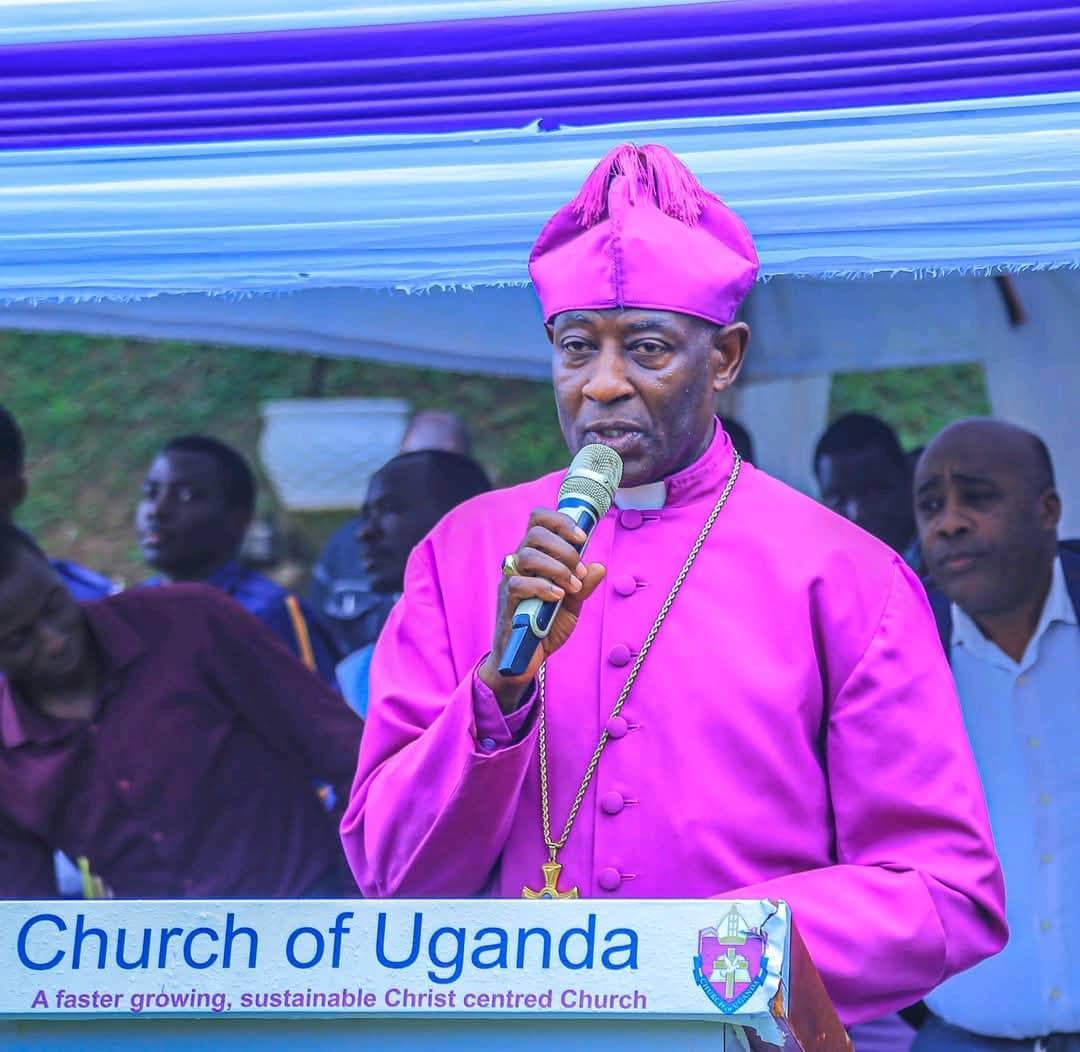
Established churches argue that while Uganda’s Constitution guarantees freedom of worship and allows Christians to form new congregations and denominations, newly established ministries should avoid adopting names, vestments, liturgical practices and official symbols in ways that could suggest formal recognition or communion with existing churches where none exists.
Church leaders say safeguarding institutional identity has become increasingly important as Uganda’s religious landscape continues to witness the rise of new ministries and breakaway denominations.
The debate also touches on the historical roots of Anglicanism and Christian reform movements. Although the term “Reformed” carries a long-standing association with Protestant theology and the sixteenth-century Reformation, ecclesiastical recognition within the global Anglican Communion is determined by established structures and relationships rather than the adoption of Anglican doctrine, worship practices or church governance alone.
The Reformed Anglican Church describes itself as an independent Anglican denomination that adheres to Anglican liturgy, episcopal leadership and Reformation theology. However, it acknowledges that it is not part of the worldwide Anglican Communion.
Instead, the church identifies with the Continuing Anglican movement, a loose network of independent Anglican churches that operate outside the official Communion. Since its establishment, the denomination says it has expanded its presence across Uganda, creating dioceses in several regions, including the Upper Nile, as it seeks to broaden its ministry.
The developments highlight the delicate balance between religious freedom and the efforts by long-established denominations to protect their heritage, identity and institutional structures in an increasingly diverse Christian environment.






 English