














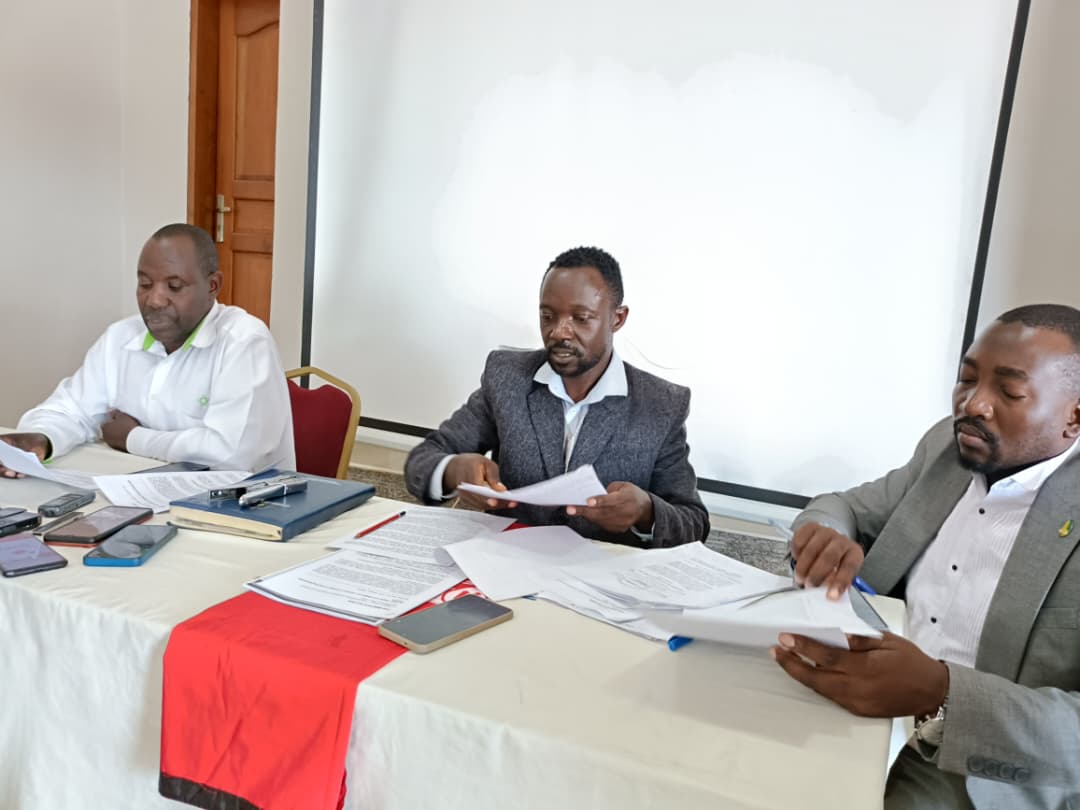
Activists in the Masaka region have called for a national referendum to allow Ugandans to decide on the proposed Protection of Sovereignty Bill, 2026, arguing that it could infringe on citizens’ privacy and economic rights.


The proposal was raised during a stakeholders’ engagement in Masaka aimed at sensitizing the public about the implications of the bill.
Social rights activists from the Greater Masaka sub-region contend that ultimate power lies with the people, particularly when proposed legislation seeks to alter governance structures, restrict fundamental freedoms, or expand state authority.
They argue that, in its current form, the bill warrants direct public approval through a referendum.
Led by Alexander Lule, the Uganda Law Society Central Region representative, the activists maintain that Uganda already has a robust legal framework, including the Anti-Money Laundering Act and Anti-Terrorism laws, capable of addressing external threats.
They insist the proposed bill adds little value and instead risks undermining human rights.
Lule further criticized provisions in the bill that could classify millions of Ugandans in the diaspora as “foreigners,” effectively stripping them of inherent citizenship rights.
He warned that such measures contradict constitutional provisions and existing dual citizenship laws, and could discourage diaspora-led development initiatives.
“Diaspora remittances are a primary pillar of our economy, outperforming many sectors such as health and education,” Lule said. “Criminalizing transfers above 400 million shillings annually could deter investment and destabilize families that depend on support from abroad.”
He urged legislators to conduct wider consultations before passing the bill, emphasizing that it directly affects citizens whose views must be taken into account.
Kayinga Muddu Yisto, coordinator of the Community Transformation Network (COTFONE), called for the outright withdrawal of the bill, describing it as redundant legislation that could undermine both economic and social rights.
According to Kayinga, the bill risks shrinking the country’s revenue base by discouraging foreign direct investment and diaspora remittances, which could in turn force the government to increase taxes on local citizens.
He added that if the bill is to proceed, it should be thoroughly reviewed with public participation, with contentious provisions removed and the final proposal subjected to a referendum.
“We urge Parliament to exercise its oversight role and engage the communities they represent,” Kayinga said. “If they cannot reject the bill, they must at least consult widely, because it will directly affect the support many families receive from relatives abroad who may be labeled as foreign agents.”
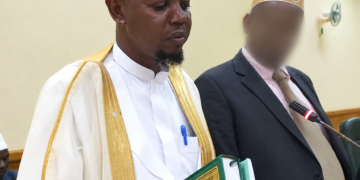
Kalungu District Councilor Hajj Sowedi Mayanja also cautioned against criminalizing foreign inflows, noting that such measures could hinder Uganda’s ambition to attain middle-income status.
Mayanja instead called for strengthening investigative institutions to monitor potentially harmful foreign funding, rather than enacting laws that may deter legitimate investment and development support.
“The bill grants excessive powers to the minister and risks over-centralization,” he said. “Many religious and civil society organizations rely on external funding for health, education, and social services. Restrictive legislation could cut off this support.”
He added that existing institutions, such as the Financial Intelligence Authority and other security agencies, are sufficient to regulate financial inflows without the need for additional legislation.
“Ugandans are already patriotic; we do not need a law to compel loyalty,” Mayanja said.









 English