



















Mental health experts, researchers, and youth advocates in Hoima City have called on the government to increase funding for mental health services and scale up Group Support Psychotherapy (GSP) across Uganda to help young people living with HIV cope with depression, stigma, and economic hardship.
The appeal was made during a dissemination meeting attended by health workers, peer supporters, researchers, and local leaders who gathered to discuss the impact of Group Support Psychotherapy in improving the emotional and social wellbeing of vulnerable youth.

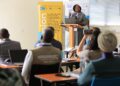
Associate Professor Etheldreda Nakimuli from the Medical Research Council, who pioneered the Group Support Psychotherapy model, said the intervention has proven effective in helping young people regain hope while also encouraging economic empowerment through group-based livelihood activities.
“When stakeholders embrace this intervention, they can convince the government to allocate funding towards it. The beauty about Group Support Psychotherapy is that it ends with young people coming up with income-generating activities,” Prof. Nakimuli said.
She explained that the program helps transform idle and vulnerable youth into productive members of society by encouraging teamwork, social interaction, and self-reliance.
“This can reduce idleness and petty crime among young people because they become engaged and productive,” she added.
Prof. Nakimuli further revealed that the intervention is affordable, costing only 13 US dollars to prevent one year of disability linked to depression.
“We do not need huge amounts of money. We have already conducted a cost-effectiveness analysis for this intervention. Uganda is a young country and we cannot wait for the outside world to solve every challenge for us,” she noted.
She also stressed the importance of training more health workers in mental health and depression care so that support services can reach communities across the country instead of relying on a few specialists in urban centers.
“Young people should be able to walk into any health facility and find a trained health worker who can guide them through therapy and recovery,” she said.
Youth peer supporter Talemwa Joram Johnson said sustaining the success of GSP will require stronger partnerships, increased training for peer leaders, and expanded digital awareness campaigns targeting young people.
“Exposure to information is powerful. We need more trainings, online engagement, and social media platforms that spread positive mental health messages,” Johnson said.
He observed that many young people are more likely to join support programs when they see opportunities for economic empowerment alongside emotional support.
However, Prof. Nakimuli clarified that while livelihood support is valuable, emotional healing remains the foundation of recovery from depression.
“Young people need guidance before they can succeed in income generation. They first need emotional healing, self-esteem, coping skills for stigma, active problem-solving abilities, and strong social connections,” she explained.

Paediatrician Charity Masika from Hoima Regional Referral Hospital emphasized the need to take mental health services directly to spaces where young people spend most of their time.
“At every point where young people are, we need to be there. Whether in schools, churches, hospitals, or on social media, we must strengthen support systems around them,” Dr. Masika said.
She also warned against stigma and encouraged the use of social media platforms such as TikTok to spread positive mental health messages and direct young people to available support services.
Meanwhile, William Nabangi, the head of Mental Health Services for the Bunyoro Region, said depression is often ignored until it becomes severe, making early intervention critical.
“It is very expensive to treat severe depression. Group Support Psychotherapy can help address mild and moderate depression before it escalates,” Nabangi said.
He urged the Ministry of Health and district authorities to integrate GSP into the existing healthcare system rather than handling it as a stand-alone project.
“Integration is the strategy. We already have community resource persons and health workers who can be trained to deliver these services,” he added.
Stakeholders at the meeting agreed that expanding Group Support Psychotherapy across Uganda could strengthen HIV care, reduce stigma, improve emotional wellbeing, and create sustainable economic opportunities for vulnerable young people.







 English