


















Why do some people recover from depression, while others relapse only months later? New research in Uganda is beginning to provide answers.
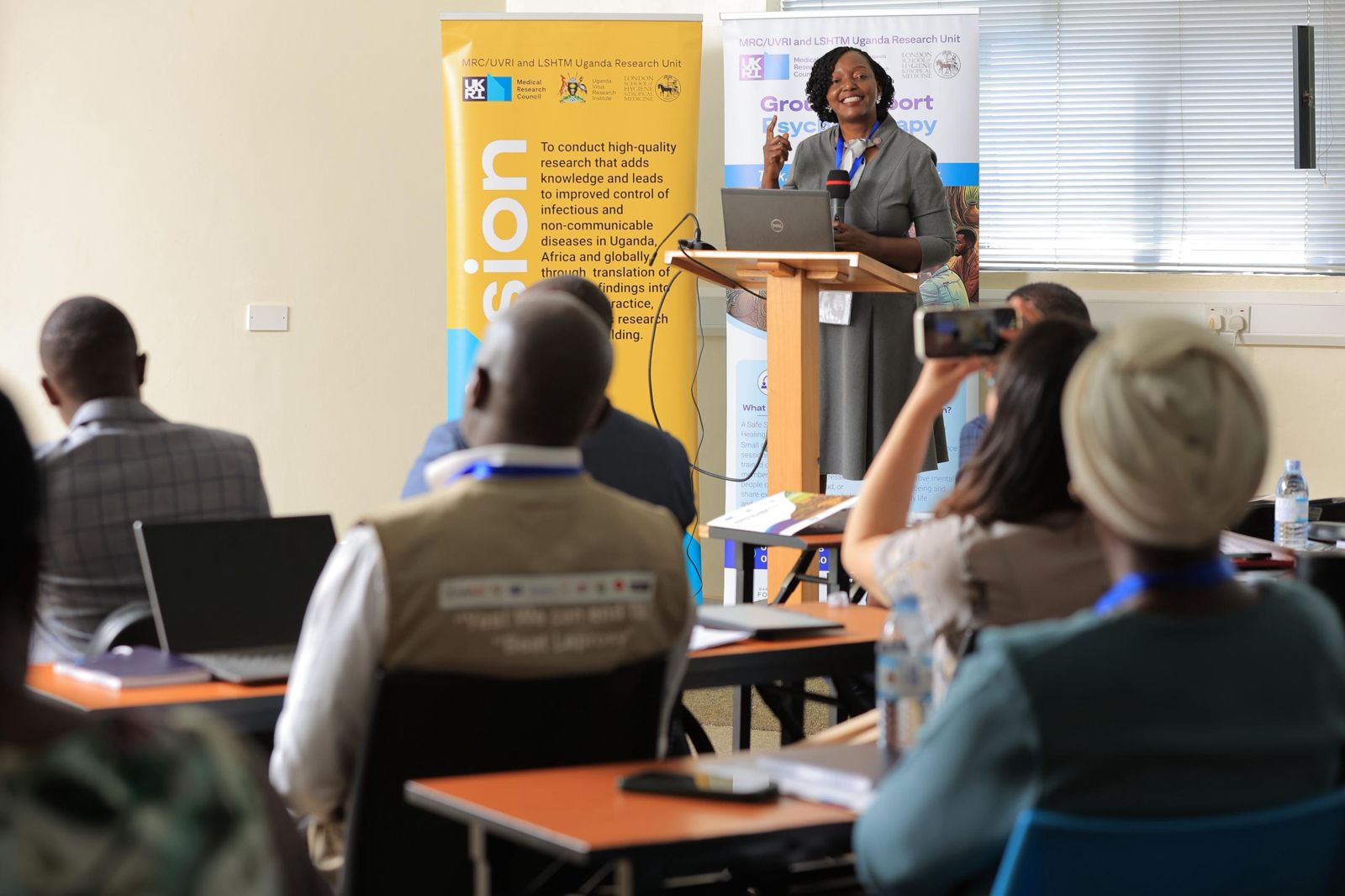
At a Mental Health Prize Group Support Psychotherapy (GSP) dissemination workshop, scientists and health officials unveiled new findings explaining why some patients recover from depression while others do not, particularly among people living with HIV.


Held under the theme “How People Recover from Depression and Why Others Do Not: Lessons from HIV Clinics in Uganda,” the workshop highlighted evidence that could reshape the integration of mental health care into routine HIV services.
Leading the study, Professor Etheldreda Nakimuli of the Medical Research Council said recovery from depression is not a single event, but a gradual process that begins during therapy and must continue long after treatment ends.
The research tracked more than 1,000 people living with HIV across northern Uganda between 2016 and 2019 through 30 government health facilities.
All participants had been diagnosed with depression and were divided into two groups — one receiving Group Support Psychotherapy and the other receiving HIV education. Researchers then monitored their progress from the beginning of treatment to six months after therapy.
According to the findings, recovery often begins when patients start opening up about their struggles. Emotional expression, acceptance of difficult life circumstances, and spiritual coping emerged as some of the earliest drivers of healing.
Patients who learned to speak openly about their challenges, accept situations beyond their control, and draw strength from their faith or beliefs showed significant improvement by the end of therapy.
However, researchers say therapy alone is not enough.
The study found that long-term recovery largely depends on what happens after treatment. Patients who continued seeking emotional support, actively solving problems, building self-esteem, and engaging in positive activities were far more likely to remain mentally healthy months later.
In many cases, these post-therapy coping strategies proved even more important in sustaining recovery than the therapy sessions themselves. Without continued support and healthy coping mechanisms, many patients experienced a relapse.
The research also identified several factors linked to poor recovery outcomes. Older individuals, unemployed patients, and those who had lost spouses faced greater difficulty overcoming depression. Many struggled with poverty, isolation, and limited social support systems.
Psychological factors also played a major role. Researchers found that patients battling low self-esteem, self-blame, and HIV-related stigma were significantly less likely to recover fully. Negative coping habits, including internalizing problems and avoiding help-seeking, further increased the risk of relapse.
Interestingly, the study revealed that financial support alone does not automatically improve mental health outcomes. Professor Nakimuli explained that emotional stability and psychological healing must first be established before economic interventions can have a lasting impact.

Alongside the findings, researchers introduced a new machine learning-based risk prediction model aimed at identifying patients most likely to remain depressed after treatment.
Presented by researcher Shakira Babirye, the tool uses patient data to predict who may still be struggling with depression six months after therapy. Health experts say the innovation could help clinicians intervene earlier and provide more targeted support to high-risk patients.
Experts at the workshop noted that the implications extend beyond mental health. Depression has long been associated with poor adherence to HIV treatment and weaker viral suppression outcomes. Addressing mental health challenges effectively could therefore improve overall HIV care and treatment success.
The findings also reinforce guidance from the World Health Organization supporting the use of trained community and lay health workers to deliver psychotherapy — an approach that has already shown promising results in Uganda.
As Uganda moves to expand access to mental health services, researchers say the message is clear: recovery from depression is possible, but it requires more than treatment alone. Sustained emotional support, practical coping skills, and early identification of high-risk patients are all essential to preventing relapse.
With plans underway to roll out the new risk prediction model in health facilities, Uganda could move closer to a future where fewer patients are left behind in the fight against depression.








 English