
















Thousands of vulnerable Muslim families across Uganda are likely to face a difficult Eid al-Adha celebration following a sharp decline in livestock donations traditionally provided by international charitable organisations.
Eid al-Adha, commonly referred to as the Festival of Sacrifice, is among the most important celebrations in Islam. The occasion honours Prophet Ibrahim’s devotion and willingness to sacrifice his son in obedience to Allah before a ram was provided as a substitute.


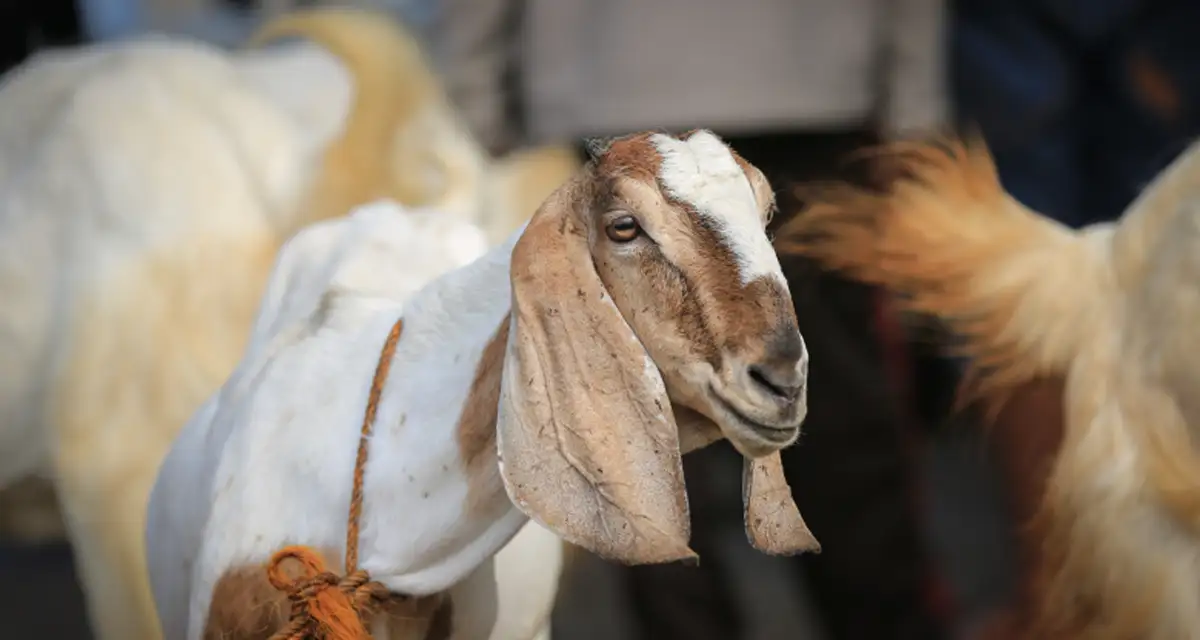
As part of the celebrations, Muslims slaughter animals such as cows, goats, sheep and camels, with the meat shared among relatives, neighbours and disadvantaged families.
For years, Muslim communities in Uganda have depended on support from charities and donors based in countries including Saudi Arabia, Turkey, Pakistan, Qatar, Bahrain and Iran. The organisations normally finance the purchase and distribution of animals to poor households during the festive season.
However, Muslim leaders say this year’s support has significantly reduced as conflict and instability in the Middle East continue to disrupt donor activities and financial contributions.
In West Nile, where camel donations are a major part of Eid celebrations, leaders say the expected support had not arrived despite the celebrations drawing near. The Arua City Khadi for Central Division, Sheikh Rashid Khemis, explained that the region usually receives between 10 and 20 camels annually through the Africa Muslim Agency to support needy families.
According to Khemis, the animals are normally delivered at least a week before Eid, but this year there had been no deliveries with only hours left before the celebrations. He blamed the delays on the ongoing conflict in the Middle East, saying it had affected the operations and incomes of donor organisations that regularly assist Muslim communities in Uganda.
A similar situation has been reported in Luwero District, where charitable organisations usually donate around 1,000 cattle each year for Eid celebrations.
Hajji Musa Kakande, the Chairperson of Greater Luwero Muslim District, said only one organisation had confirmed plans to slaughter 300 cattle for meat distribution in Kalule and Kalagala trading centres. He noted that many mosques had received no donations at all, leaving vulnerable families uncertain about how they would celebrate Eid.
In the North Eastern Region, Muslim leaders have begun seeking alternative support from partners in countries such as the United Kingdom, the United States and Australia.
Regional Assistant Mufti Sheikh Abubakar Obilan Umar said the effort was aimed at helping struggling families in Karamoja and Teso, where poverty and food insecurity remain major challenges.
Obilan also warned against the misuse of donated aid, saying stricter measures had been introduced to ensure livestock and meat directly reach the intended beneficiaries.
He said some individuals had previously diverted donated animals for personal business by selling them to butchers, hotels and restaurants instead of distributing them to poor households.
In Masaka District, Muslim leaders have encouraged worshippers to contribute money jointly to purchase sacrificial animals so that more families can still participate in the Eid celebrations despite the shortage.
Humanitarian workers also believe the crisis in the Middle East has forced many donors to focus their resources on populations affected within their own countries rather than extending assistance abroad.
Issa Katungulu, a coordinator working with humanitarian organisations including African Friendship and Diyant Foundation, said donor priorities had shifted toward emergency relief efforts closer to home because of the worsening regional instability.
The reduction in donations has raised fears among Muslim leaders that many disadvantaged families may miss out on one of the most symbolic traditions of Eid al-Adha, which promotes sacrifice, generosity and solidarity with the poor.






 English