














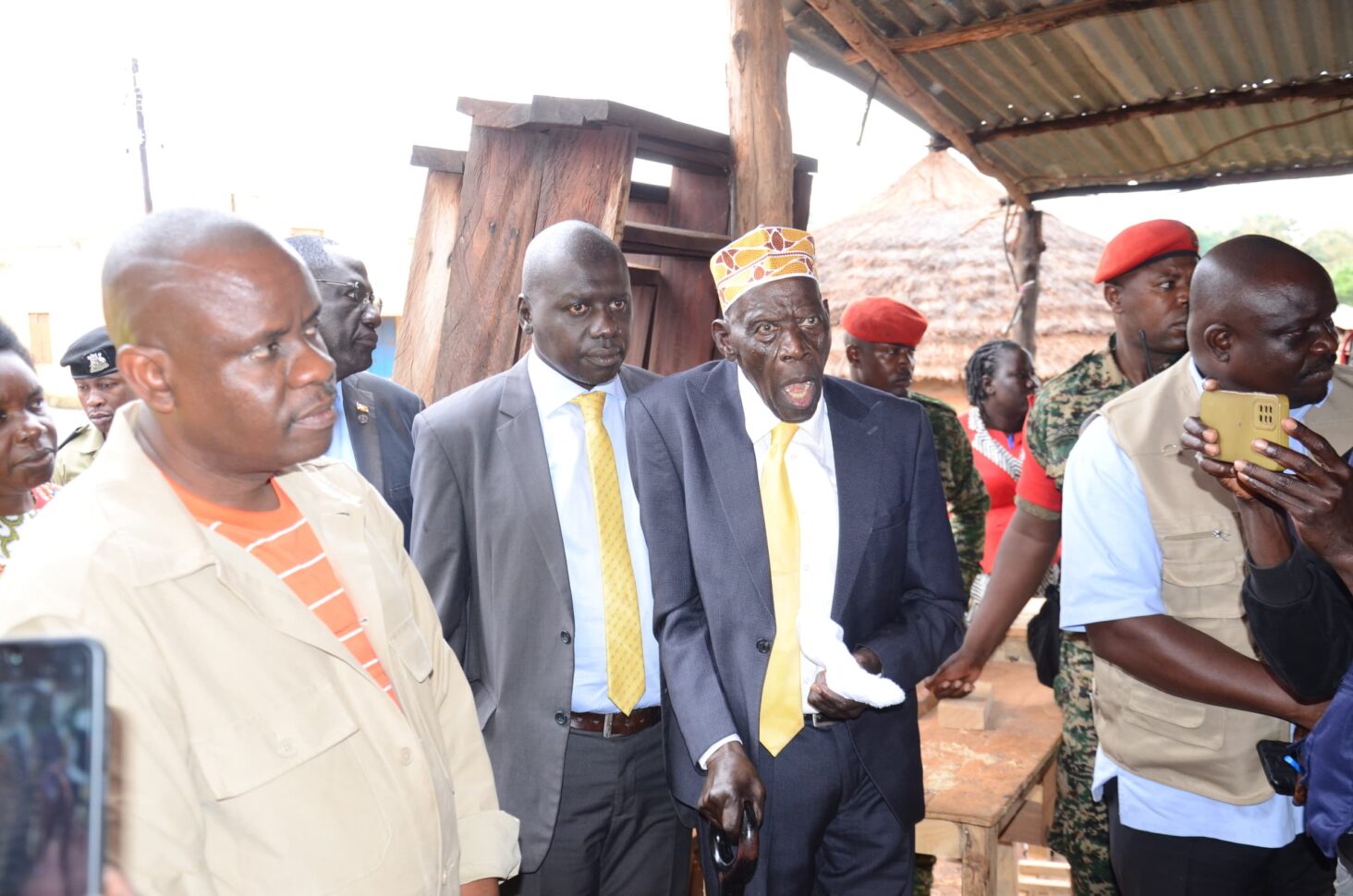
Once a formidable commander of the Uganda National Rescue Front I (UNRF I) and a pivotal figure in the historic ties between Uganda and the late Libyan leader Muammar Gaddafi, General Moses Ali remains a towering presence in the political landscape of West Nile and Uganda at large.
Revered as “The Cock of Madi” and regarded as living history by many in the region, Gen. Ali currently serves as First Deputy Prime Minister in the National Resistance Movement (NRM) government.


Having entered government service in the early 1970s and held a range of senior roles across successive administrations, Gen. Ali’s political journey has seen both triumph and setback.
A low point came in 2011, when he lost his parliamentary seat to the relatively unknown Santos Mulago during the general elections. However, he made a remarkable comeback in 2016, reclaiming the Adjumani West seat—one he has now held, intermittently, for four decades.
As the NRM primary elections draw closer, Gen. Ali’s visibly deteriorating health has sparked national debate. When he picked up his nomination forms, NRM Electoral Commission Chairperson Tanga Odoi had to process the paperwork from the general’s car, as he was unable to walk or speak without assistance.
This moment, captured and widely shared on social media, triggered public concern and renewed calls for his retirement.
Despite such criticism, Gen. Ali has proceeded with his campaign, drawing large crowds and contending against three challengers: Santos Adrawa, now making a third bid after two failed attempts; Moses Kibria, who ran as an independent in 2021 but has since joined the NRM; and Nickson Owole, a former Adjumani LC5 Chairperson and Resident District Commissioner, who resigned his government post in May to join the primaries.
Gen. Ali’s rallies, often attended with the support of aides and Uganda People’s Defence Forces (UPDF) bodyguards, continue to draw significant attention.
According to Beatrice Anzoo, a political activist in Adjumani West, part of this support is fueled by public curiosity. “Many people want to see him with their own eyes to confirm rumors about his condition,” she says. Others, she claims, are lured by reports of financial handouts at campaign events.
Local sources report that Gen. Ali has distributed UGX 1 million to each of the 233 villages in Adjumani District since the start of the campaign.
While details about his health remain undisclosed, his team maintains that he is capable of fulfilling his parliamentary duties and is committed to completing ongoing projects in the constituency.
“He even has a campaign song that many of his supporters enjoy, and that’s why people keep following him,” says Janet Apili, a resident of Adjumani Town.
Still, some residents are concerned about Gen. Ali’s well-being, particularly if he loses in the upcoming primary election scheduled for Thursday.
During recent celebrations marking 22 years of peace in the West Nile region—an event presided over by President Yoweri Museveni in Yumbe District—Gen. Ali appeared visibly frail, yet sat through the entire six-hour ceremony.
President Museveni has remained silent on his long-serving ally’s condition, raising questions about the future of one of Uganda’s most enduring and influential political figures.





 English