

















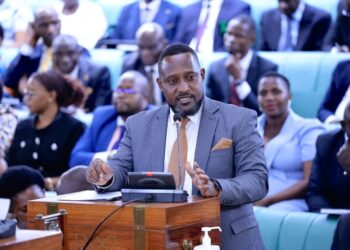
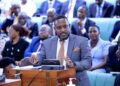
Justine Nameere has sparked criticism after making remarks describing parts of Masaka as an area dominated by single mothers, comments many residents and women leaders have condemned as insulting and misleading.
The controversy stems from a viral video recorded during the swearing-in ceremony of President Yoweri Kaguta Museveni, in which Nameere reportedly claimed that there is a village in Masaka where almost all mothers are single mothers, with only two couples said to be living together as husband and wife.


In the video, the legislator questioned why large numbers of single mothers had chosen to remain in Masaka, comments that quickly triggered backlash from sections of the public, especially women in the area.
Several women in Masaka accused the MP of mocking struggling mothers instead of addressing the social and economic challenges affecting families.
Critics argued that the statements painted the city in a negative light and unfairly stereotyped women who are raising children alone.
Some residents challenged Nameere to provide evidence to support her claims, saying leaders should rely on credible information from institutions such as the Uganda Bureau of Statistics before making sweeping public statements.
Women leaders and community members further noted that single motherhood can result from a range of circumstances including widowhood, domestic violence, abandonment, unemployment, migration, and marital separation, making it inappropriate to use the issue as political humour or public ridicule.
The remarks have also revived debate about the dangers of public mockery by political leaders, especially when directed at vulnerable groups in society.
Analysts warn that ridicule from leaders can deepen stigma against single mothers, many of whom already face economic hardship, social discrimination, and emotional pressure while raising families on their own.
Public mockery can also discourage affected women from participating confidently in community and leadership spaces.
Critics say such comments risk normalising disrespectful public discourse and divert attention from deeper social issues that require policy solutions.
Instead of ridicule, leaders are expected to promote conversations around family welfare, child support enforcement, poverty reduction, and women empowerment.
Observers further argue that careless political statements can damage public trust in leaders, particularly among women voters who expect representation, empathy, and advocacy from elected officials.
As debate over the comments continues, some residents in Masaka have called on leaders to exercise caution when discussing sensitive social matters, warning that words from public officials carry influence and can either unite communities or deepen divisions.










 English