













About Shs400 billion in petroleum revenue is being held in government accounts without being invested, raising concerns in Parliament over whether Uganda is losing potential returns from its oil wealth.
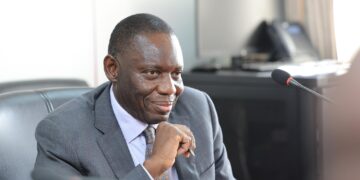
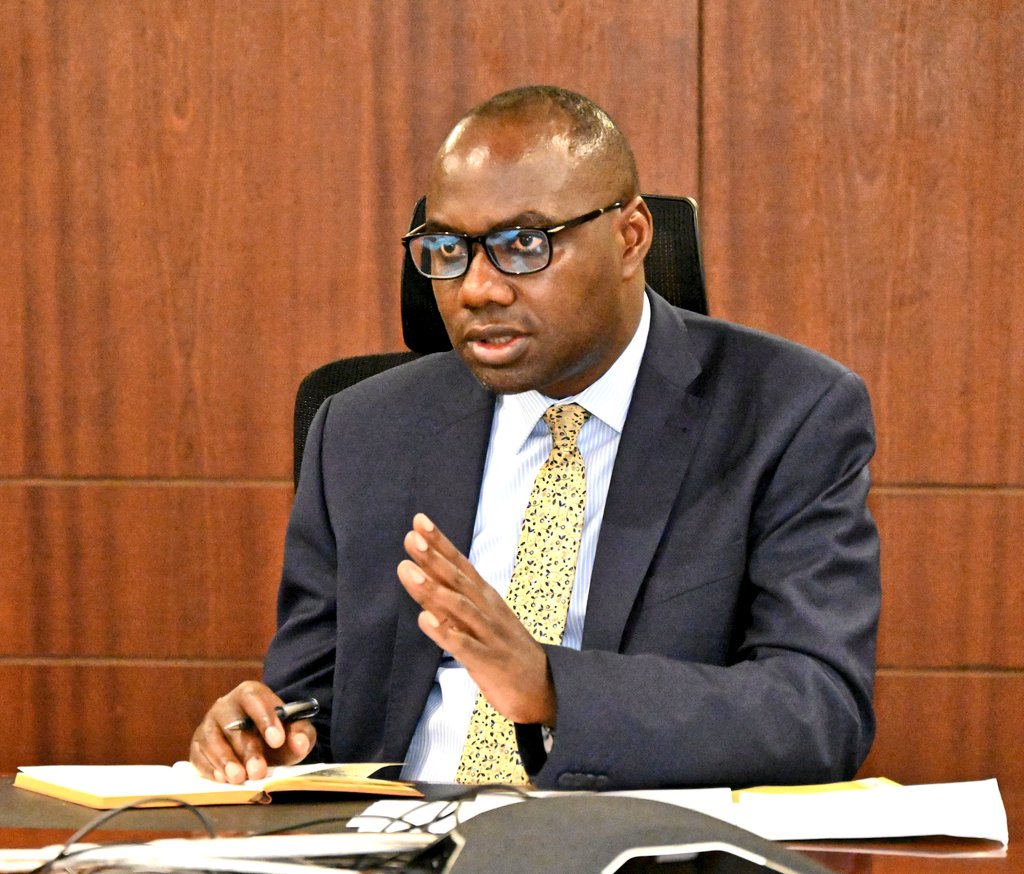
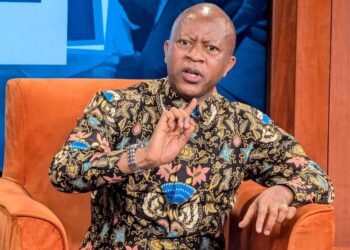
The Acting Accountant General, Godfrey Ssemugooma, told Parliament’s Committee on Finance, Planning and Economic Development that the funds cannot be invested under the current legal framework without prior authorisation from Parliament.


Ssemugooma was responding to concerns from MPs about the management of petroleum revenues and whether funds accumulating in the Petroleum Fund could be invested to generate additional income for the country.
According to Ssemugooma, a substantial portion of the petroleum revenue is held in foreign currency, with dollar collections maintained in an account in New York.
He said the law requires government to obtain parliamentary approval before petroleum revenues can be invested, meaning that funds can remain idle for extended periods if they are not appropriated for specific uses.
Ssemugooma said the arrangement could be reviewed to give government greater flexibility to invest petroleum revenues while retaining parliamentary oversight.
“It means as we prepare the budget, we have to anticipate,” he told MPs.
The disclosure came as the committee scrutinised the management of Uganda’s Petroleum Fund and the use of oil revenues ahead of the expected start of commercial oil production.
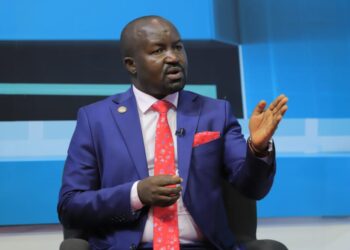
Finance Minister Henry Musasizi told the committee that the Petroleum Fund had a balance of Shs212.6 billion as of December 2025, after receiving an additional Shs81 billion in petroleum revenues.
The fund had stood at Shs131.27 billion as of June 30, 2025, compared with Shs145.98 billion the previous year.
Government has already appropriated significant amounts of petroleum revenue to finance infrastructure and other development projects.
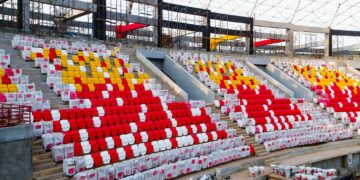
During the 2024/25 financial year, Shs281.87 billion was appropriated, of which Shs166.5 billion was invested through the Uganda National Oil Company, while Shs115.37 billion was allocated to the construction of Hoima City Stadium.
However, MPs questioned whether government should continue holding substantial petroleum balances without investing them, particularly as the country faces major financing needs in infrastructure and other development sectors.
Ssemugooma said the challenge was to strike a balance between generating returns from petroleum revenues and complying with the law governing the Petroleum Fund.
He explained that even when petroleum revenues accumulate beyond projections, government cannot automatically transfer the money into investments without parliamentary authorisation.
The committee also questioned the impact of foreign exchange movements on petroleum revenues held in US dollars.
Ssemugooma explained that foreign exchange gains or losses are only realised when the funds are converted or spent.
Since most petroleum revenues are received in dollars, he said government tries to match dollar receipts with dollar-denominated expenditure as a way of reducing exposure to exchange-rate fluctuations.
The concerns over idle petroleum revenue come amid broader scrutiny of the management of Uganda’s oil revenues, including delays in remittances and outstanding payments by oil companies.
The committee was told that Shs3.1 billion in non-tax revenue relating to training and surface rental fees remains unpaid by oil companies.
However, Uganda Revenue Authority Acting Commissioner General Abel Kagumire told MPs that government had recently addressed a problem that had contributed to delays in transferring petroleum revenues to the Petroleum Fund.
Kagumire said the Bank of Uganda opened a dedicated Uganda Shillings Petroleum Fund account in August 2026 following a government directive, allowing petroleum revenues to be deposited directly into the account.
He said the funds are also swept daily into the Petroleum Fund, a measure expected to eliminate delays that previously occurred in transferring the revenues.
The committee is expected to receive additional information from the Ministry of Finance on petroleum revenues, investments and development projects financed using oil money as MPs continue examining how Uganda is managing its petroleum wealth ahead of first oil.




 English