
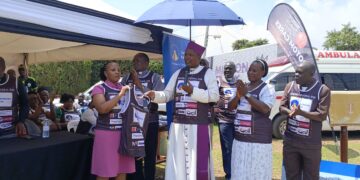






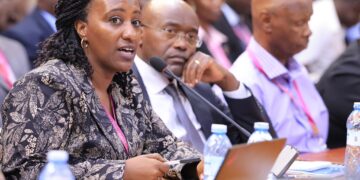




The heart of Masaka City pulsed with energy and unity this weekend as hundreds gathered at Liberation Square for the 14th Edition of the Rotary Cancer Run.
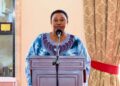
Flagged off by Masaka City Mayor Florence Namayanja, the event underscored both solidarity and urgency in the fight against cancer.


“This is a great opportunity to show support for those who are battling cancer and to honour the memory of those we have lost,” Namayanja told participants, urging the public to stand with Rotary in promoting awareness, early detection, and access to affordable treatment.
The Uganda Rotary Cancer Run, first held in 2012, has grown into one of the country’s most influential charity events, drawing support from across the nation and beyond.
Organized under the Rotary Cancer Program Uganda, its core mission is to raise funds to equip the Rotary Cancer Center at Nsambya Hospital in Kampala—a facility envisioned as a one-stop hub for diagnosis and treatment.
In Masaka, the run was spearheaded by Chief Mobilizer Rotarian Sotius Ssegawa, who reminded the crowd of the personal stakes behind the campaign.
“Cancer diagnosis is extremely expensive, yet few facilities can provide care. Every family is a potential candidate. That is why we must all take part,” he said.

Adding her voice, Rotarian Madrine Namayengo, President of the Rotary Club of Masaka, commended sponsors and encouraged residents to embrace early screening.
“Prevention and early detection are lifesaving. Screening today could save you from greater consequences tomorrow,” she emphasized.
Among the committed supporters was Centenary Bank, which has steadily contributed to the cause.
Deogratius Mutebi, representing the Masaka branch, reaffirmed the bank’s pledge: “For 13 years, we have committed 2% of our profits to support construction of the one-stop cancer center at Nsambya. Healthy clients are also central to our mission.”
The Cancer Run is more than just a fundraiser; it is a symbol of community resilience and compassion.
Each year, thousands lace up their running shoes across Uganda and in partner countries, creating a tapestry of collective action.
The flagship event takes place in Kampala, but satellite runs—like Masaka’s—ensure nationwide participation.
Beyond the race, the event fosters health and wellness, inspiring individuals of all ages and fitness levels to take part.
For families touched by cancer, it offers a moment of remembrance and solidarity.
For Uganda’s health sector, it provides critical resources in the ongoing battle against one of the country’s deadliest diseases.
As the runners took off from Liberation Square, their strides carried not just personal determination but also the hopes of a nation striving to turn the tide against cancer.





 English