













In Nyendo suburb on the outskirts of Masaka City, a quiet but determined intervention is changing the lives of teenage girls who have been trapped in risky survival activities, including sexual exploitation on streets.
More than 20 teenage girls have recently been supported to leave the practice and are now being guided toward safer and more sustainable livelihoods.


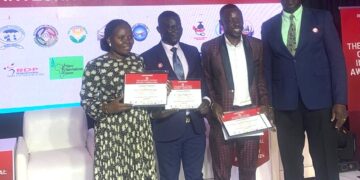
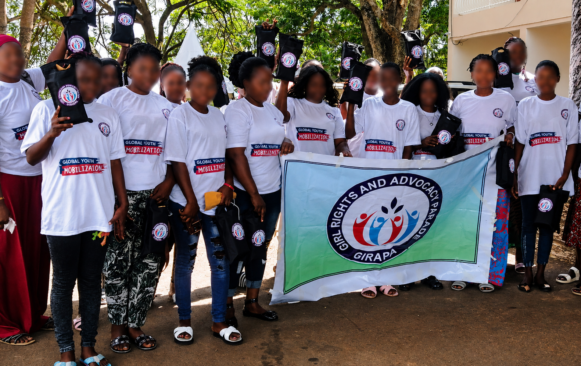
The initiative is led by the Girl Rights Advocacy Parade (GIRAPA), a community-based organization working to protect girls’ rights and help them transition away from exploitation into education, skills training, and small-scale entrepreneurship.
According to GIRAPA chairperson Aisha Namulondo, the programme has so far reached about 60 young females across Nyendo and Ssaza suburbs, many of whom were drawn into exploitation through peer influence, false job promises, or economic hardship.
“We are seeing many young girls being lured into environments that put their futures at risk,” Namulondo said. “Our focus is to rescue, support, and reintegrate them into safer and more dignified ways of living.”
GIRAPA’s outreach teams report that many of the girls initially became vulnerable after being promised work opportunities such as shop attendants or domestic workers, only to find themselves in exploitative situations upon arrival.
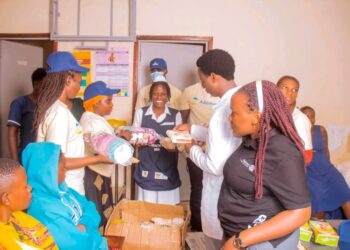
Once identified, the girls are provided with counselling, basic personal care support, and guidance on returning home where possible.
Others, especially those with children or no immediate family support, are encouraged to begin modest income-generating activities such as vending, small retail trade, or skills-based work that requires little startup capital.
Namulondo emphasizes that the goal is not only rescue, but long-term transformation. “We encourage them to think beyond survival. Even small businesses can grow into stable livelihoods if supported properly,” she noted.
Health, safety, and recovery
Counsellor Madiina Birungi highlights that many of the affected girls struggle with substance use and health risks associated with unsafe environments.
“Our role is to help them rebuild self-worth and prioritize their health,” Birungi explained. “We also educate them on prevention of infections, encourage responsible health-seeking behaviour, and connect them to appropriate medical services when needed.”
She adds that stigma remains one of the biggest barriers preventing girls from seeking help, calling for stronger community support systems and youth-friendly health services.
Barriers to escape
Eva Balikuddembe, who coordinates outreach for girls in vulnerable situations within Nyendo, says many of the victims come from different parts of the country, including distant districts, and often find it difficult to return home due to lack of transport and family breakdown.
She also warns that the cycle is sustained by deception and economic desperation. “Some are brought in under false promises of employment, but once they arrive, they are pushed into environments that are unsafe and exploitative,” she said.
Balikuddembe believes that expanding government-led initiatives such as the Parish Development Model could provide a realistic alternative for many of the girls seeking to leave.
“With the right support—skills training, startup capital, and reintegration programmes—many of these young people would choose a different path immediately,” she added.
A voice from the inside
One 15-year-old girl, whose identity has been withheld for protection, shared how early school dropout pushed her into vulnerability after her education ended due to financial constraints at home.
“I stopped school because there was no money,” she said quietly. “When I tried to reach my father, I couldn’t get him anymore.”
She now says she is ready for a second chance if given access to skills training or a small livelihood opportunity.
“I would prefer learning something I can do for myself instead of living this way,” she said.
A call for collective action
As GIRAPA continues its work, activists stress that ending exploitation requires a combination of community vigilance, stronger enforcement against perpetrators, and expanded economic opportunities for young women.
For Nyendo’s affected girls, however, the message is already beginning to land: there is life beyond survival, and support systems are slowly opening doors they once thought were closed.







 English