


















Oil palm farmers in Kalangala District could face further pressure on their earnings if fertiliser supplied under a reported Shs12 billion procurement arrangement involving Dei Biopharma Ltd fails to meet the nutritional requirements of their plantations.
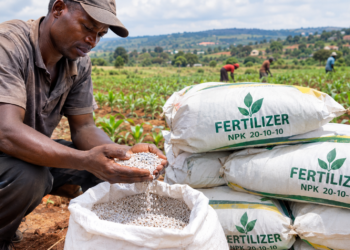
Fertiliser for oil palm outgrowers in Kalangala is procured through Ssese Palm Oil Growers Cooperative Society Limited, which is responsible for sourcing inputs on behalf of participating farmers. The programme covers 5,921 hectares and involves 2,468 smallholder farmers whose livelihoods depend, in part, on the productivity and profitability of their plantations.

Information obtained for this investigation indicates that purchase orders worth approximately Shs5 billion have so far been issued under the reported Shs12 billion arrangement. However, questions remain about the fertiliser’s suitability for oil palm production, the quality assurance procedures applied before distribution and the potential financial implications for smallholder farmers.
The concerns are significant because fertiliser accounts for more than 60 per cent of field maintenance expenditure in oil palm production. For farmers who depend on harvest proceeds to recover their production costs, the effectiveness of these inputs can directly influence their earnings.
Although the available information does not conclusively establish that the supplied fertiliser is substandard or has caused measurable losses, reported nutrient deficiencies in some plantations raise questions about whether the fertiliser programme adequately addresses the needs of the crop.
Nutrient deficiencies raise concerns
Oil palm requires a balanced supply of nutrients to sustain healthy growth and produce fresh fruit bunches. The quantities needed depend on several factors, including soil fertility, the age of the palms, expected yields and field management practices.
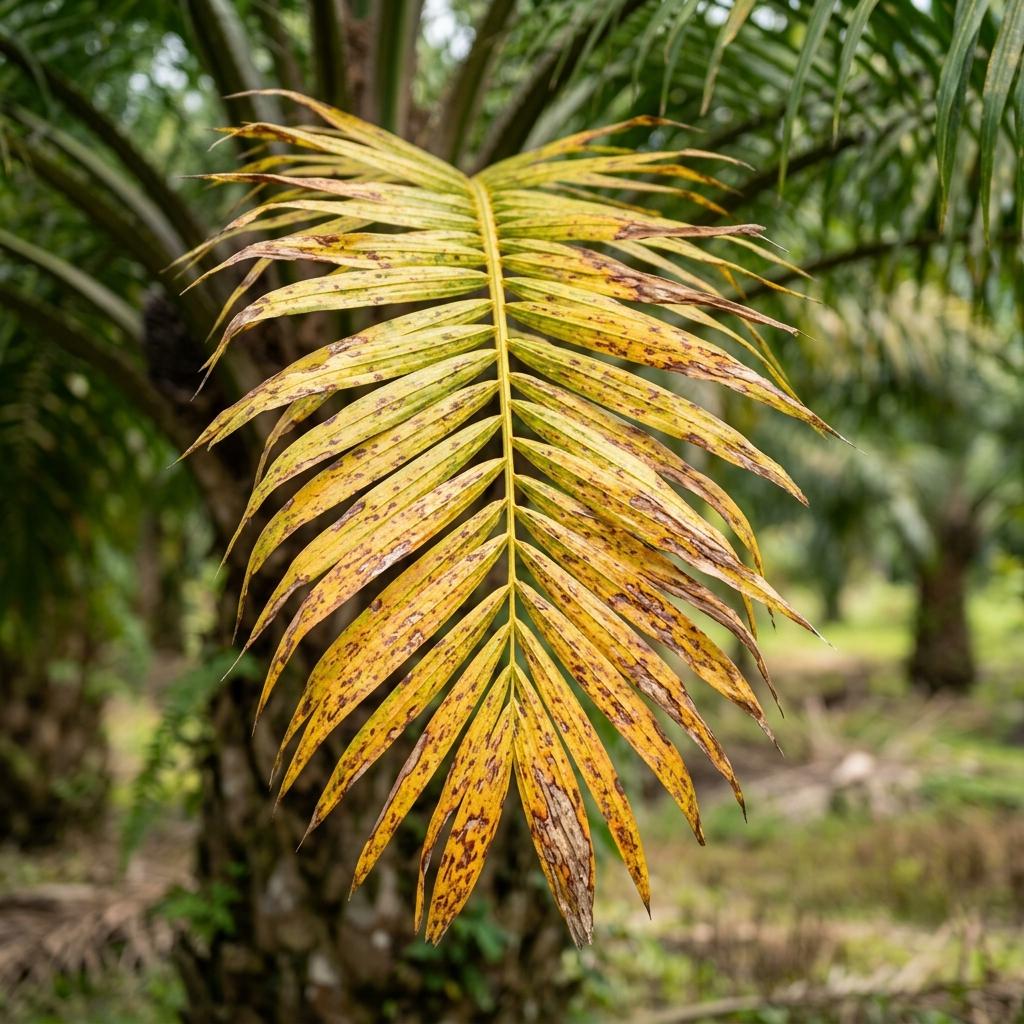
Agronomic assessments of plantations in Kalangala have identified deficiencies in magnesium and potassium in sampled fields, alongside concerns about inadequate nitrogen and phosphorus nutrition.
These nutrients perform different but complementary functions. Magnesium is essential for chlorophyll formation and photosynthesis, while potassium supports bunch development, yield formation and the palms’ ability to withstand dry conditions. Nitrogen supports vegetative growth, while phosphorus contributes to root development and the establishment of young palms.
Where these nutrients are deficient, an unsuitable fertiliser programme could leave plantations below their production potential, even when farmers continue spending money on field maintenance.
The continued use of dolomitic limestone in some plantations has also been identified as an issue requiring attention. Although dolomite can help correct soil acidity and supply calcium and magnesium, it does not provide the complete range of nutrients required by oil palm.
Similarly, concerns have been raised about the absence of rock phosphate from planting and maintenance applications, given the importance of phosphorus in root development and the establishment of young palms.
These observations make it necessary to establish whether the fertiliser procured under the reported Dei Biopharma arrangement contains the nutrients required to address the identified deficiencies, in appropriate concentrations and application rates.
However, the presence of nutrient deficiencies alone does not establish that the supplied products are responsible. Soil conditions, the quantities applied, application timing, palm age and other management practices can also influence nutrient availability and crop performance.
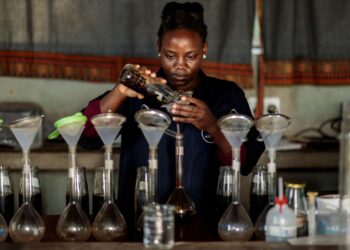
Independent laboratory testing, supported by soil and leaf analyses, would help establish whether the products supplied are suitable for the affected plantations.
Farmers bear the financial risk
The stakes are high because oil palm is a long-term investment that requires consistent maintenance. Farmers must continue paying for labour, weeding, fertiliser and other field operations even when production or market returns fall.
Agronomic findings indicate that fresh fruit bunch yields could decline by 30 to 50 per cent if fertiliser is not applied. This is a projection of the potential consequences of inadequate fertilisation, not evidence that Dei Biopharma’s products have already caused losses of that magnitude.
Nevertheless, the projection highlights the vulnerability of farmers whose earnings depend on maintaining production while meeting substantial input costs.
A decline in yields means fewer fruit bunches available for sale and potentially lower gross revenue. Yet farmers may still have to meet their production expenses and repay costs recovered from their harvest proceeds.
Where input costs are deducted from payments for harvested produce, the amount farmers retain depends on their output, the value of their deliveries and the charges applied to their accounts.
If yields fall while production expenses and deductions remain high, farmers could be left with less money to support their households, pay workers and finance subsequent plantation maintenance. This could create a cycle in which reduced earnings limit investment in the next production season, making it harder to restore productivity.
The risk is particularly concerning where smallholders have limited control over the fertiliser supplied to them or insufficient information to determine whether the products and prices charged are appropriate.
With 2,468 smallholder farmers participating in a programme covering 5,921 hectares, transparent procurement and distribution arrangements are important in ensuring that farmers understand the inputs supplied to them and the costs recovered from their earnings.
Farmers therefore need clear records showing the quantities supplied, prices charged, deductions made and outstanding balances. Access to fertiliser specifications and recommended application rates would also enable them to understand what they are paying for.
Profitability gap warrants scrutiny
Information from the oil palm production programme indicates that smallholder farmers earn lower profits than the investor managing the nucleus estate.
The difference raises questions about the costs and returns experienced by the two groups, particularly because smallholders contribute land and labour while meeting significant plantation maintenance expenses.
However, the profitability gap alone does not establish that farmers have been treated unfairly or that fertiliser quality is responsible. A proper comparison would need to consider yields, the age of the palms, production costs, financing arrangements, management practices and the commercial terms applicable to each group.
The immediate concern is whether smallholder farmers receive adequate value for the inputs charged to their accounts and whether deductions from their harvest proceeds are transparent and justified.
If the fertiliser supplied fails to meet agreed specifications, the matter could extend beyond agricultural performance to questions about contractual compliance and responsibility for any resulting losses. Establishing this would require evidence of the contract requirements, the actual composition of the products and the circumstances under which they were supplied and applied.
Shs12bn procurement requires independent verification
The reported Shs12 billion fertiliser arrangement, including purchase orders worth approximately Shs5 billion, makes independent quality verification particularly important.
The contract value and purchase orders do not, by themselves, establish how much has been paid, how much fertiliser has been delivered or whether any product has failed to meet the required standards.
Ssese Palm Oil Growers Cooperative Society Limited should clarify the procurement process, the formulations covered by the arrangement, the quantities ordered and delivered, the prices charged and the procedures used to verify product quality before distribution.
Dei Biopharma Ltd should also explain the nutrient specifications of the products supplied, the evidence supporting their suitability for oil palm production and the quality control measures applied before delivery.
It is important to establish whether the identified nutrient deficiencies were recorded before or after the fertiliser in question was supplied and applied. This would help investigators distinguish pre-existing soil and crop conditions from any problems potentially associated with the inputs.
For products awaiting distribution, representative samples could be subjected to independent laboratory testing before further deliveries are accepted. For fertiliser already applied in the fields, soil and leaf analyses, farm records and yield data could help determine whether the nutrient programme is appropriate and whether corrective measures are necessary.
These checks would provide a stronger basis for determining whether any production challenges are associated with fertiliser composition, application practices, soil conditions or other factors.
Accountability and corrective action
The immediate priority should be to ensure that fertiliser selection and application are guided by the nutritional needs of individual plantations rather than relying on a single formulation for every field.
Qualified agronomists should determine the appropriate nutrient sources, quantities and application schedules based on soil fertility, palm age, expected yields and identified deficiencies.
Where tests confirm specific nutrient shortages, inputs such as kieserite for magnesium, muriate of potash for potassium and rock phosphate for phosphorus may be considered at rates appropriate to the field conditions.
The Ministry of Agriculture, Animal Industry and Fisheries and other responsible authorities should ensure that procurement specifications are clearly defined, quality checks are documented and supplied products comply with applicable requirements.
Transparency over input prices and deductions is equally important. Farmers need to understand how costs are calculated, what balances they owe and what procedures are available if the supplied products fail to meet agreed specifications.
Ssese Palm Oil Growers Cooperative Society Limited should provide clear information about how fertiliser procurement decisions are made on behalf of outgrowers, how products are assessed before distribution and how the cooperative ensures that farmers receive inputs suited to their plantations.
Dei Biopharma Ltd had not responded to the concerns raised by the time of publication. The company is invited to clarify the fertiliser formulations supplied under the reported arrangement, the quality assurance procedures applied before delivery, the pricing and the evidence supporting the suitability of its products for oil palm production in Kalangala. Insight Post remains open to publishing the company’s response if received.
For Kalangala’s oil palm farmers, the value of the reported procurement will ultimately depend on whether the fertiliser supplied meets the needs of their plantations, supports sustainable production and enables growers to retain reasonable earnings after meeting their farming costs.
With fertiliser accounting for such a substantial share of field maintenance expenditure, independent verification and transparent accountability are essential to establishing whether the arrangement delivers value for money and protects the interests of the 2,468 smallholder farmers participating in the programme.
ENDS.









 English
