












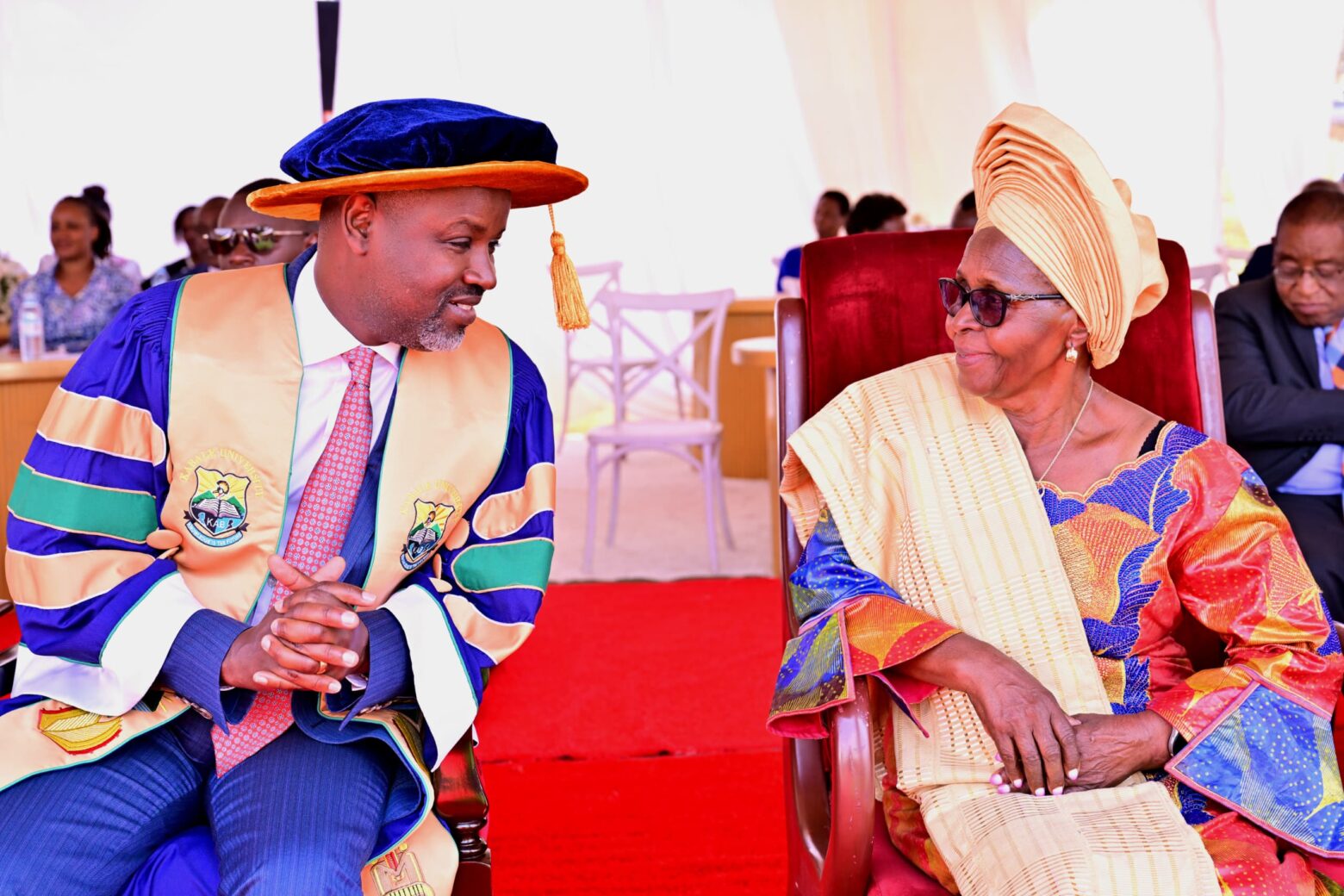
Professor Joy Constance Kwesiga, the founding Vice Chancellor of Kabale University, has retired after serving the institution for 21 years, bringing to an end a leadership journey that began when the university admitted its first cohort of students in 2002.
The 83-year-old academic completed her second five-year term as Vice Chancellor in June 2026. Professor Johnny Mugisha, the Deputy Vice Chancellor in charge of Academic Affairs, has since been appointed by the University Chancellor to serve as Acting Vice Chancellor.


Prof. Kwesiga took charge of Kabale University at its formative stage and oversaw its growth from a small institution into a public university of national importance. She remained at the helm after the government took over the institution and granted it public university status in 2015.
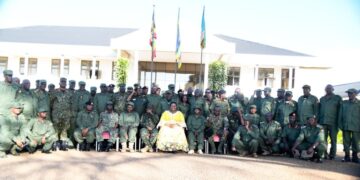
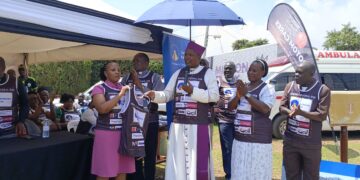
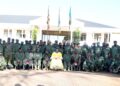
At a farewell ceremony held at the university grounds on Friday, speakers paid tribute to Prof. Kwesiga’s contribution to the growth and transformation of the institution.
The Students’ Guild President, Drake Kwarikunda, credited the outgoing Vice Chancellor with promoting academic excellence, accountable leadership, gender equality, research, empowerment and community development.
Adison Kakuru, the Chairperson of the University Council, said Prof. Kwesiga had guided the institution through difficult circumstances since its early years, when it opened its doors with only 42 students.
He said the university had since expanded significantly and now has an enrolment of more than 5,000 students.
Kakuru also praised Prof. Kwesiga for remaining steadfast during opposition to the government’s decision to take over the university. He renewed calls for increased infrastructure and additional land to enable Kabale University to accommodate its growing student population and academic programmes.
In her farewell remarks, Prof. Kwesiga said she was leaving the institution with a clear conscience after years of service, comparing her retirement to the completion of a missionary assignment.
She said she was proud to have served the university without being accused of misappropriating public funds or university property.
Prof. Kwesiga noted that since Kabale University admitted its first students in 2002, more than 17,000 students have graduated from the institution.
The University Chancellor, Canon Matthew Rukikaire, said stakeholders should now focus on strengthening Kabale University’s position as a regional centre of excellence.
He said the institution has the potential to serve students and communities across the Great Lakes region, including Uganda, Rwanda, the Democratic Republic of Congo, Burundi and Tanzania.
Deputy Speaker of Parliament Thomas Tayebwa, who was the chief guest, commended the elders of the Kigezi region for their role in establishing the university and praised Prof. Kwesiga for helping transform it into an institution of national significance.
Tayebwa said her retirement marked the end of an important chapter in the university’s history, but noted that the institution’s future growth should now be a priority for leaders and stakeholders in the region.
He also urged residents of Kigezi to avoid religious divisions, saying sectarian conflicts could undermine efforts to promote social and economic development.
The Deputy Speaker challenged Kabale University to undertake research into the causes of increasing poverty and persistent malnutrition in the region, despite Kigezi being widely regarded as one of Uganda’s food-producing areas.
According to Tayebwa, one of the possible causes of malnutrition is the tendency by some households to sell a large portion of their food produce without retaining enough for family consumption.
He called on the university to carry out further research and work with communities to develop practical solutions to the problem.
Tayebwa also called for dialogue between Kabale University and Kabale District Local Government to resolve the longstanding dispute over land required for the institution’s expansion.
He pledged to support efforts aimed at finding a solution, arguing that the university’s current 50-acre land holding is inadequate for an institution of its size and national importance.
Tayebwa said the university should eventually acquire about one square mile of land to provide sufficient space for future infrastructure and academic expansion.
Kabale District Local Government donated the initial 50 acres of land when the university was established. Following the institution’s transition into a public university in 2015, the district also pledged to provide an additional 98 acres.
However, the additional land has not yet been allocated, raising concerns about the university’s ability to expand its infrastructure and accommodate future growth.





 English