


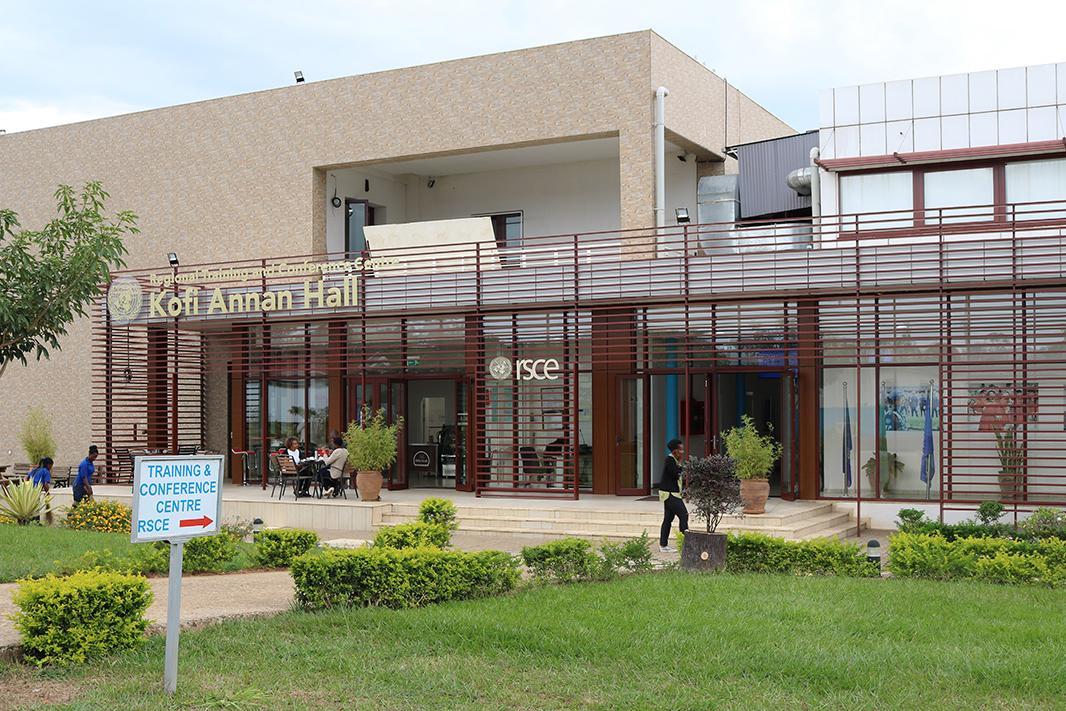
Cabinet has approved the allocation of an additional six acres of government land to the United Nations Regional Service Centre in Entebbe to facilitate the expansion of its operations, while reversing a proposal to redevelop Constitutional Square in Kampala.
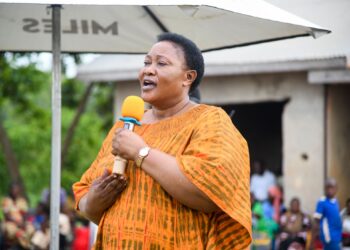
The decisions were announced by Minister of ICT and National Guidance Justine Kasule Lumumba during the weekly Cabinet press briefing at the Uganda Media Centre, following a Cabinet meeting held on October 26, 2026.

The additional land will be reallocated from the Ministry of Agriculture, Animal Industry and Fisheries, bringing the total land available to the UN centre to 26 acres.
According to Lumumba, the centre has exhausted the 20 acres it currently occupies and requires more space as it assumes additional responsibilities under the United Nations’ efforts to reorganise operations and reduce costs.
Established in 2010, the centre provides financial, human resource, administrative, logistics and information and communications technology support to UN operations.
Uganda offered to host additional UN services in Entebbe, with President Yoweri Museveni conveying the proposal to the UN Secretary-General in June 2025. The Secretary-General welcomed the offer in a response dated July 15, 2026.
The expansion follows the transfer of several administrative and support functions previously handled by the Kuwait Joint Support Office to the Entebbe centre, effective July 1, 2026.
Lumumba said the expansion presents an opportunity for Uganda to strengthen its position as a host of international services while generating economic benefits for local businesses.
Figures presented to Cabinet indicate that spending by the centre’s staff injects about $40 million into the local economy annually, while contracts awarded to local suppliers account for another $33 million.
The centre is also expected to become the largest travel ticketing office within the UN system, handling an average of about 250 tickets daily.
Government expects the additional space to support the centre’s growing operations and increase economic activity in Entebbe through demand for locally supplied goods and services.
Cabinet reverses Constitutional Square redevelopment plan
In a separate decision, Cabinet has reversed a proposal to redevelop Constitutional Square, also known as City Square, in Kampala, opting to retain the site’s existing legal status as a protected heritage area.
Lumumba said the decision followed consideration of the square’s history, legal protection, environmental concerns and urban planning issues associated with the proposed development.
The site, covering approximately 1.172 hectares and comprising plots 5, 6 and 7, has been protected since 2007. Its heritage status is recognised under the Museums and Monuments Act, 2023, and a protection instrument issued in 2024.
The square houses the 1945 War Memorial, erected in remembrance of Ugandan soldiers who died during the First and Second World Wars.
Lumumba said the site’s historical significance and protected status must guide decisions concerning its future.
“Cabinet has reversed the development proposal. Constitutional Square will retain its existing legal status,” she said.
The decision means the proposed redevelopment will not proceed under the plan considered by Cabinet, preserving the site’s status as a protected heritage area.
Constitutional Square occupies a prominent location in central Kampala and is an important historical site because of its war memorial and its place in the country’s heritage.
Uganda approves human rights report for UN review
Cabinet has also approved Uganda’s national report for the fourth cycle of the Universal Periodic Review (UPR), which will be submitted to the United Nations Human Rights Council through the Ministry of Foreign Affairs.
The UPR is a United Nations mechanism through which member states assess one another’s human rights records and make recommendations on areas requiring improvement.
According to Lumumba, Uganda’s report outlines progress made in strengthening national human rights institutions, improving access to justice and protecting women and children.
It also addresses refugee protection, social protection, education, healthcare, business and human rights, and climate change management.
The report is intended to provide an account of the country’s efforts to fulfil its human rights obligations while identifying challenges that require further action.
Lumumba said approval of the report should not be interpreted as meaning that all human rights concerns in the country have been resolved.
Instead, she said, the review provides an opportunity for Uganda to present its record, acknowledge existing gaps and identify areas where additional interventions are necessary.
The report will now be submitted through the established international channels for consideration under the United Nations Human Rights Council’s review process.
The three decisions cover Uganda’s engagement with the United Nations, the country’s human rights obligations and the preservation of a protected historical site in Kampala.



 English
