
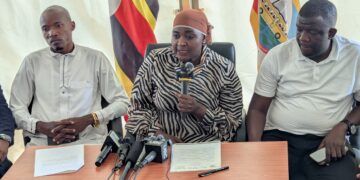














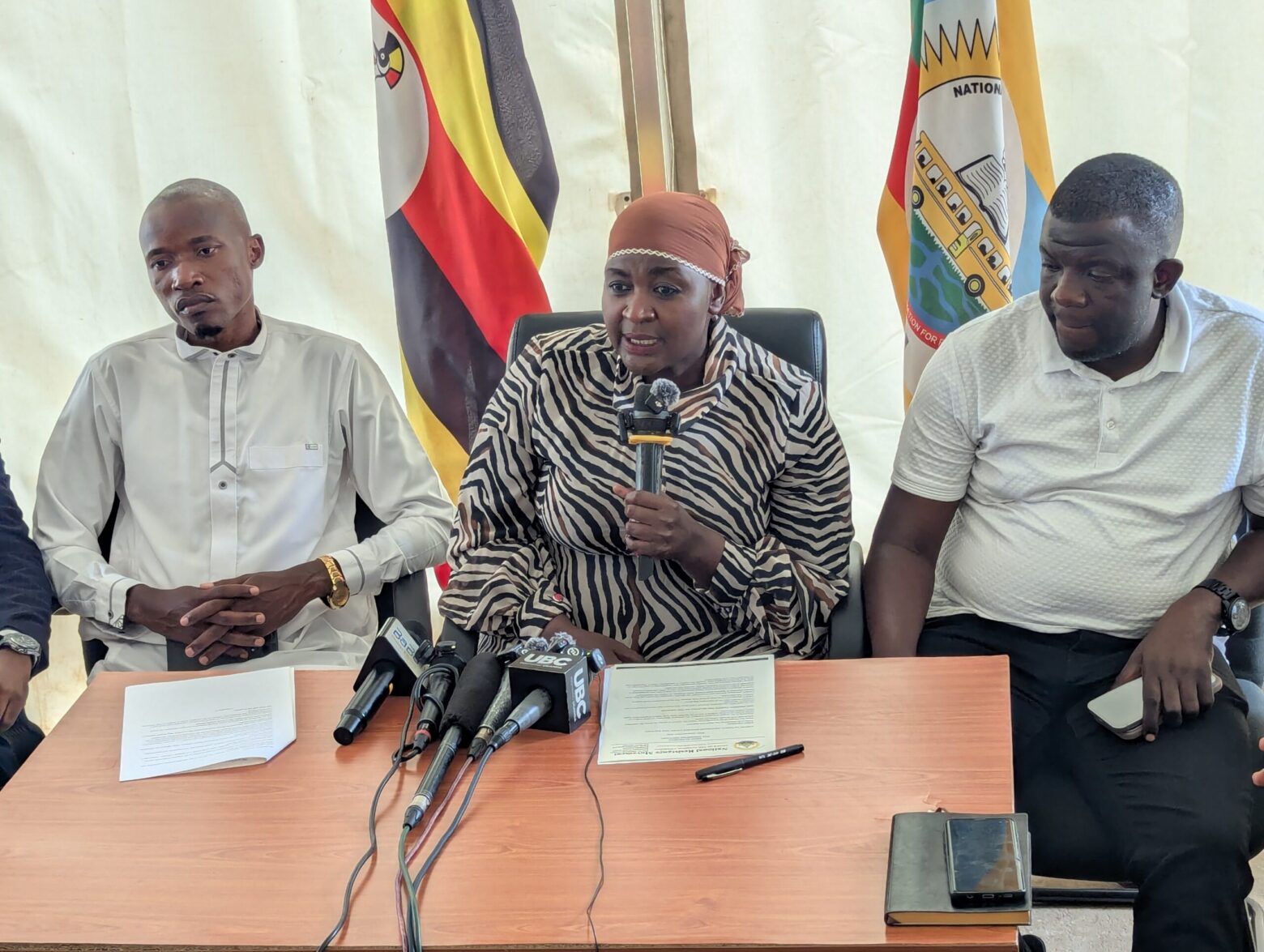
Hajjat Hadijah Namyalo, head of the Office of the National Chairman (ONC) of the ruling National Resistance Movement (NRM), has called for a forensic audit of Shs1.71 trillion reportedly collected by the Uganda Electricity Distribution Company Limited (UEDCL), citing persistent power outages, high electricity tariffs and delays in connecting new consumers.
Namyalo wants Parliament to investigate how the reported revenue was utilised and establish why consumers continue to experience unreliable electricity supply more than a year after UEDCL took over electricity distribution from Umeme.

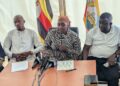
She made the remarks while addressing journalists at the ONC offices in Kyambogo on Monday, urging government agencies responsible for the electricity sector to account for the money collected and explain the challenges affecting service delivery.
“Ugandans deserve light, not excuses,” Namyalo said, emphasising that reliable and affordable electricity was essential for households, businesses, schools and health facilities.
She questioned why some consumers who had paid for electricity connections were still waiting for meters, transformers and completed installations, despite government efforts to expand access to electricity.
Namyalo also raised concerns over reported distribution losses, which she claimed had increased from 15 per cent to 19 per cent. She said the figures warranted scrutiny to establish the causes of the increase and determine whether inefficiencies were contributing to the high cost of electricity.
She called on the Ministry of Energy and Mineral Development, the Ministry of Finance and other relevant authorities to account for electricity revenues and expenditure, explain distribution losses and provide details of the costs associated with connecting new consumers.
Her concerns come more than a year after Umeme’s electricity distribution concession expired on March 31, 2025, paving the way for UEDCL to take over operations on April 1, 2025. The transition was intended to bring electricity distribution under state management.
However, Namyalo questioned whether the change had delivered the improvements in reliability, affordability and efficiency that consumers expected. She also called for scrutiny of the continued involvement of former Umeme management personnel in the electricity distribution sector.
Namyalo further questioned Uganda’s electricity exports to neighbouring countries, including Kenya, Tanzania, Rwanda and the Democratic Republic of Congo, arguing that the government needed to explain how cross-border supply commitments were being balanced against domestic demand.
Uganda has invested heavily in electricity generation, including through the Karuma and Isimba hydropower projects, to increase supply and support industrialisation. Namyalo argued that these investments should translate into reliable and affordable electricity for domestic consumers.
She called for greater transparency on the volumes of electricity exported, the revenue generated from the sales and the contractual arrangements governing cross-border power trade.
On electricity tariffs, Namyalo questioned why consumers continued to face high bills despite investments in generation infrastructure. She urged the government to explain the different components of electricity costs, including distribution losses, operational expenses and other charges that contribute to the final tariffs paid by consumers.
She also called for electricity distribution to be managed by qualified technical professionals, saying the sector needed greater emphasis on engineering expertise, operational efficiency and reliable service delivery.
Namyalo appealed to President Yoweri Kaguta Museveni to intervene, warning that persistent blackouts, high electricity costs and delays in new connections could undermine public confidence in the government’s efforts to expand electricity access and support economic growth.




 English
