


















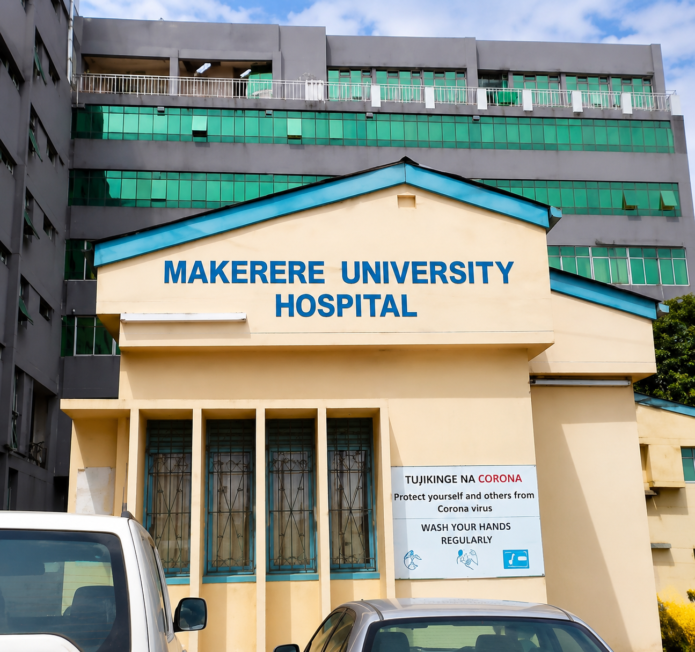
Five years after its establishment, Makerere University’s bio-bank has yet to expand beyond sperm storage services, with officials citing inadequate funding as the main obstacle to introducing egg preservation and other advanced fertility services.
The facility, located at Makerere University Hospital, was launched in 2021 as a pilot project to support fertility preservation and biomedical research. It was expected to grow alongside Uganda’s organ transplant programme, which became operational at Mulago National Referral Hospital in 2023. However, while transplant services have advanced, the bio-bank has remained limited to sperm banking.


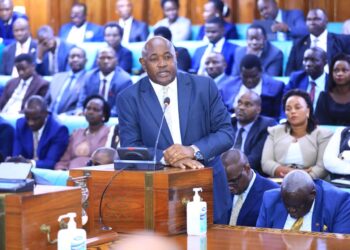
Speaking about the project’s progress, Prof. Moses Joloba, a molecular biologist who heads the facility, said the bank has secured enough resources to sustain sperm storage but lacks the funding needed to establish the specialised infrastructure required for preserving female eggs.
According to Joloba, egg storage demands highly specialised equipment and storage systems that the facility cannot currently afford, delaying plans to provide comprehensive fertility preservation services.
The slow expansion comes at a time when infertility is increasingly becoming a public health concern in Uganda. A study published in the Springer Medical Journal in April 2026 estimated infertility prevalence in the country at 6.4 percent.
The nationwide research, which assessed infertility service delivery in 115 hospitals, found that only a limited number of health facilities are equipped to provide advanced infertility treatment despite growing demand.
Joloba said the Makerere bio-bank has continued to receive increasing requests for sperm donation services, reflecting the rising need for assisted reproductive technologies.
He noted that many of the facility’s clients are middle-income women seeking donor sperm from individuals whose medical and personal characteristics can be verified, without necessarily pursuing long-term intimate relationships.
Despite advances in reproductive medicine, experts caution that assisted fertility technologies continue to raise ethical, legal and cultural questions that Uganda has yet to comprehensively address.
Bioethicist and human anatomy lecturer Prof. Erisa Mwaka has previously observed that Uganda still lacks sufficient local research to guide policies on bio-banking and genomic data management. Much of the ethical framework currently informing practice, he noted, is based on studies conducted outside the country.
Joloba echoed similar concerns, saying several ethical issues surrounding fertility preservation remain unresolved. Among them are questions about the management of unused or multiple donations, ownership of stored biological materials, inheritance rights, and the broader cultural implications of assisted reproduction.
He explained that because bio-banking in Uganda is still developing largely within a research setting, many of these issues have not yet been fully examined through local scientific or policy processes.
Looking ahead, Joloba encouraged Ugandans to embrace advances in biomedical science by considering long-term preservation of biological materials, including DNA samples. He said securely storing genetic information could help resolve future identity or inheritance disputes without requiring the exhumation of deceased relatives for DNA testing.
Researchers say addressing funding gaps, strengthening ethical guidelines and investing in modern fertility infrastructure will be critical if Uganda is to meet the growing demand for reproductive health services and fully realise the potential of bio-banking.









 English