















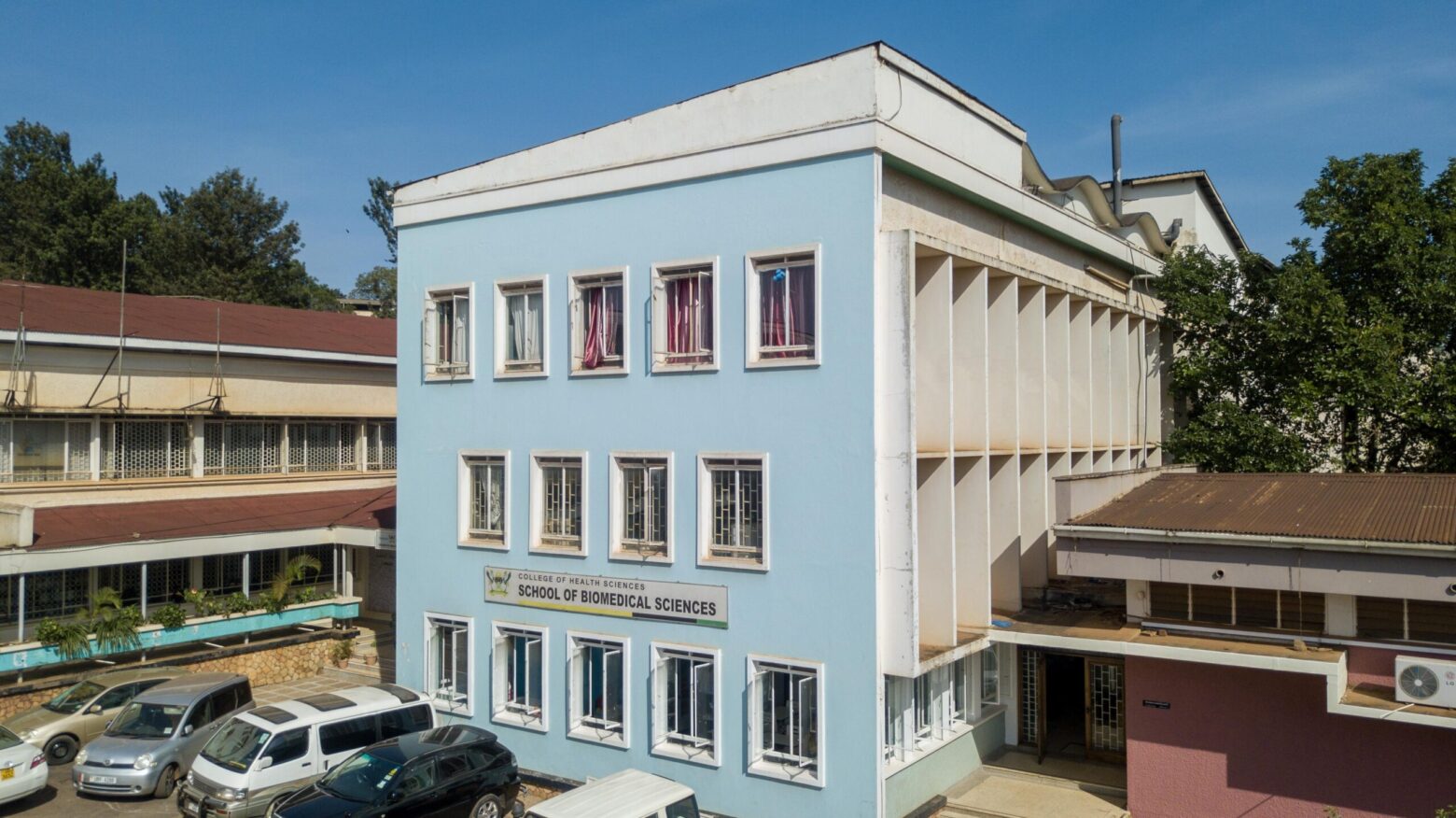
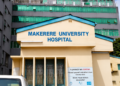
KAMPALA — Makerere University has established a specialised laboratory aimed at studying the behaviour of the Human Immunodeficiency Virus (HIV) outside the human body, a development researchers say could provide new insights in the global effort to find a cure.
The facility, established under the university’s School of Biomedical Sciences, will focus on examining how HIV survives, functions and responds under controlled laboratory conditions, rather than relying solely on observations of the virus inside infected individuals.

Prof. Moses Joloba, a molecular biologist at Makerere University, said much of the previous HIV research has concentrated on the interaction between the virus and the human body, including immune responses, antibody production and viral load changes.
He explained that the new approach will allow scientists to study the virus itself and generate deeper understanding of its mechanisms, particularly how it persists despite treatment.
“Researchers have traditionally looked at what happens in the human body, but this laboratory will allow us to study the virus directly under controlled conditions,” Joloba said.
He added that understanding how HIV hides in viral reservoirs, where it remains inactive and protected from available medicines, could be key to developing strategies capable of completely removing the virus from the body.
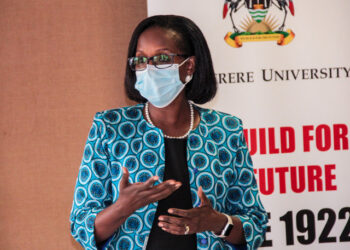
Prof. Joloba was speaking after delivering a keynote address on developments in clinical research and how Makerere University continues to strengthen its scientific programmes.
Meanwhile, Prof. Richard Idro, the Deputy Principal of Makerere University’s College of Health Sciences, said the institution remains Uganda’s leading centre for health research, contributing approximately 60 percent of the country’s health-related studies.
Idro, however, noted that emerging health challenges require additional investment in research, particularly in areas beyond infectious diseases.
He said the university has expanded its research focus from traditional areas such as HIV and tuberculosis to include early childhood development and non-communicable diseases, which are becoming increasingly significant contributors to illness in Uganda.
“For many years, most research funding came from international partners, but government support through the Research and Innovations Fund has created opportunities for scientists to address local challenges,” Idro said.
He explained that the government’s allocation of up to Shs30 billion annually to Makerere University through the fund has enabled researchers to pursue studies based on national priorities and community needs.
Although the new laboratory marks Makerere’s entry into HIV cure-focused research, scientists globally have pursued various approaches towards eliminating the virus for decades.
Despite major breakthroughs in HIV prevention and treatment, including effective antiretroviral therapies, a complete cure remains elusive. Researchers say this is largely because HIV can establish hidden reservoirs inside human cells, allowing it to persist even when treatment suppresses the virus to undetectable levels.
The new Makerere facility is expected to contribute to ongoing international efforts by generating evidence on HIV behaviour and possible pathways towards future cure strategies.









 English