


















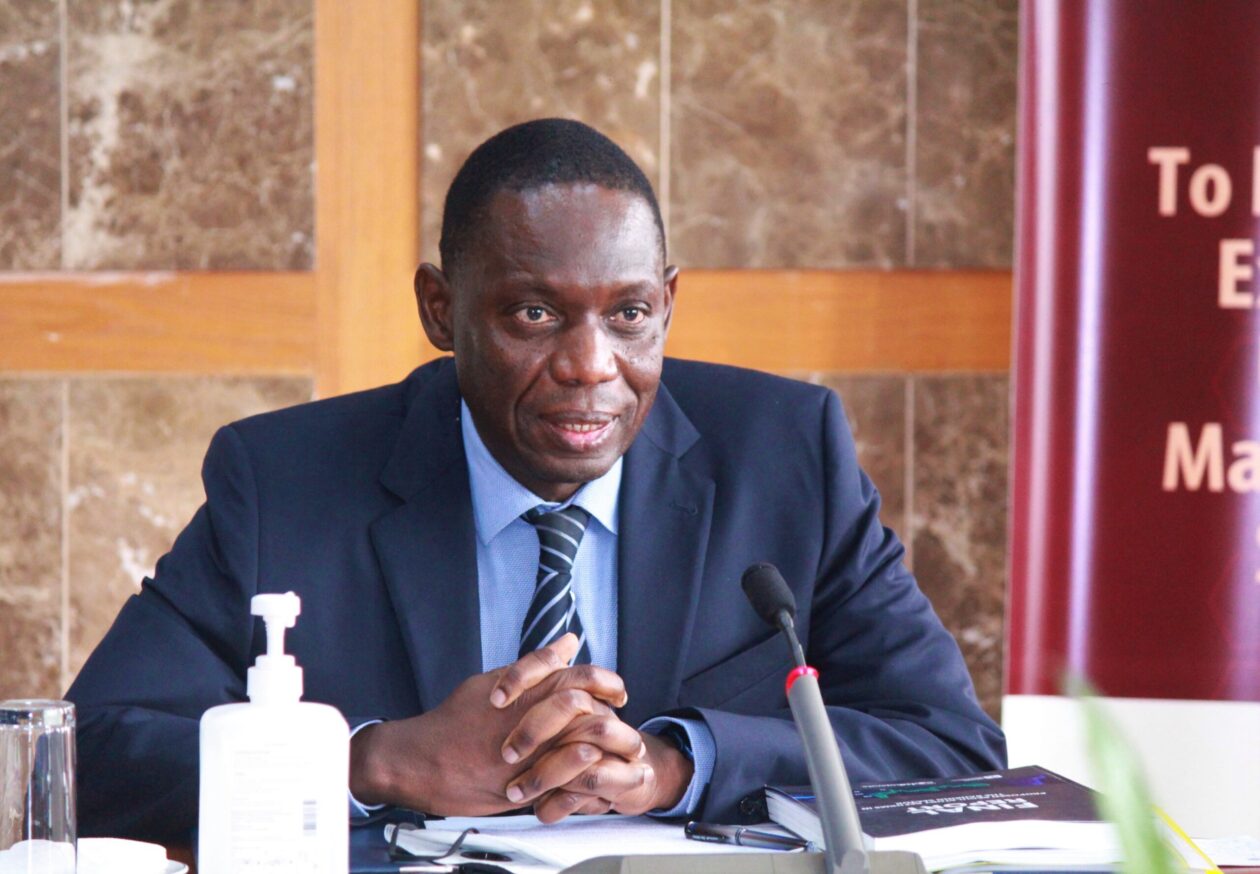
The Bank of Uganda has announced sweeping new restrictions on cheque transactions and over-the-counter cash withdrawals in a move aimed at accelerating the country’s transition towards a cash-lite economy.
The measures, outlined in a circular issued on May 29, 2026, target commercial banks, credit institutions and microfinance deposit-taking institutions, and form part of the central bank’s broader electronic payments and national digitisation strategy.


Under the revised guidelines, the maximum value for interbank cheque transactions in Uganda shillings has been cut from UGX 10 million to UGX 5 million.
Similar reductions have also been applied to transactions conducted in major foreign currencies including the US dollar, euro, British pound and Kenyan shilling.
The central bank has also introduced new limits on over-the-counter cash withdrawals. Individual customers will now be restricted to withdrawing up to UGX 50 million per day and UGX 250 million per week. Corporate and business accounts will face a daily cap of UGX 500 million and a weekly limit of UGX 2.5 billion.
According to the Bank of Uganda, the changes are intended to encourage wider adoption of digital payment platforms such as Real-Time Gross Settlement (RTGS), mobile banking and internet banking services.
“In line with the Bank of Uganda e-payments strategy, which aims to promote a cash-lite economy as part of the broader national digitisation agenda, Bank of Uganda has reduced the interbank cheque value limits and introduced over-the-counter cash withdrawal caps,” the circular stated.
The new measures will come into effect on January 1, 2027, giving financial institutions several months to adjust their operational systems and allow existing cheque instruments to clear.
The circular further directs supervised financial institutions to strengthen customer profiling and risk assessment mechanisms before determining withdrawal limits.
“SFIs shall maintain robust and regularly reviewed risk-based customer profiles, and it is these that shall inform the setting of cash withdrawal limits for individual and business customers,” the document noted.
The central bank added that financial institutions must demonstrate that withdrawal thresholds are supported by ongoing due diligence and customer monitoring processes.
However, the Bank of Uganda indicated that exemptions may be granted in special circumstances.
“Upon formal request from an SFI, the Bank of Uganda may, at its discretion, waive the limits for specific transactions or sectors; but this shall be conditional on comprehensive risk assessment and customer due diligence,” the circular added.
As part of the transition, banks and other financial institutions have been instructed to actively provide and promote alternative digital payment channels for customers.
The central bank also announced plans to conduct nationwide public awareness campaigns during a six-month transition period to prepare the public for the changes. These engagements will be coordinated by the Director of National Payment Systems.
The Bank of Uganda said the limits may be reviewed periodically depending on evolving policy priorities and sector demands.
The circular was signed by Dr Tumubweinee Twinemanzi, the Executive Director for National Payment Systems at the Bank of Uganda.












 English