

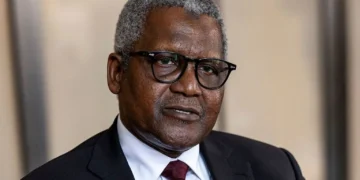














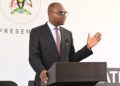
The newly appointed Minister of Finance, Planning and Economic Development, Henry Musasizi, has unveiled a broad economic agenda focused on accelerating growth, strengthening domestic revenue collection, supporting wealth creation initiatives, and tightening management of public resources.
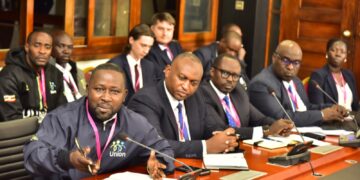
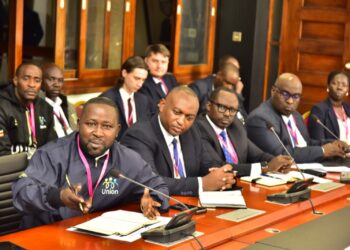
Speaking after his vetting before Parliament’s Appointments Committee, Musasizi said his leadership at the finance ministry would prioritise implementation of the government’s strategy aimed at rapidly expanding Uganda’s economy and positioning the country for long-term transformation.
He explained that the government’s economic plan seeks to significantly increase national productivity by investing in sectors capable of driving sustainable growth while improving household incomes.
A major focus of his tenure, he noted, will be increasing domestic revenue mobilisation through the newly approved Domestic Revenue Mobilisation Strategy. Musasizi observed that Uganda’s tax-to-GDP ratio remains low at about 13 per cent, adding that government intends to raise it to nearly 20 per cent by widening the tax base and improving tax compliance and administration.
The minister also pledged continued support for wealth creation programmes, especially the Parish Development Model (PDM), which government considers central to moving millions of Ugandans from subsistence farming into the money economy.
He said although progress has been registered under several empowerment programmes, many households are still outside the formal economy and require targeted financial support. Musasizi added that institutions such as the Uganda Development Bank and the Uganda Development Corporation would continue receiving support to finance productive sectors.
On public expenditure, Musasizi promised stricter controls to ensure government spending delivers value for money. He pointed to delayed infrastructure projects and inefficiencies in programme implementation as some of the challenges that require urgent attention.
With Uganda edging closer to commercial oil production, the finance minister said petroleum revenues should supplement national development efforts rather than become the backbone of the economy.
He stressed that government intends to continue investing in agriculture, tourism, manufacturing, and other productive sectors to avoid overdependence on oil revenues.
Musasizi further pledged prudent debt management, saying government would prioritise concessional loans from development partners over expensive commercial borrowing. According to him, institutions such as the World Bank, the International Monetary Fund, and the African Development Bank remain critical sources of affordable financing for Uganda’s development agenda.
He also acknowledged recurring delays in the release of funds to government programmes despite parliamentary approval of budgets, attributing the problem to cash-flow limitations and weaknesses in planning.
The minister said government intends to strengthen programme-based budgeting to ensure that every approved expenditure is tied to a clear financing source and implementation plan.
Musasizi additionally signalled support for reducing expenditure on activities considered less productive and redirecting resources toward sectors capable of stimulating economic growth. He suggested that some traditional budget items may in future lose funding altogether as government seeks to fast-track its economic expansion targets.
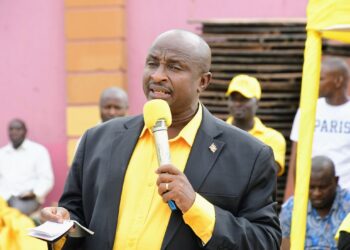
The new finance minister replaces former Finance Minister Matia Kasaija, who left Cabinet after serving for several years in one of the government’s most influential portfolios.







 English