





Thursday, May 14, 2026
  • About
  • Advertise
  • Careers
  • Contact
Insight Post Uganda
  • Home
  • NewsHot
    • Health
    • Politics
    • Religion
    • Lifestyle
    • World News
    • Tourism
    • Environment
    • Agriculture
  • Business
    KCCA enforcement officers supervise traffic operations within Kampala’s Central Business District.

    KCCA Suspends Street Parking on Major City Roads

    When Order Comes at a Cost: The Hidden Price of Clearing Uganda’s Streets

    Selective Enforcement of Trade Order Puts Mukono Municipality on Spot

    Permanent Solution to Power Outages in Greater Kampala as UGX 512 Billion Electricity Upgrade Project Nears Completion

    Permanent Solution to Power Outages in Greater Kampala as UGX 512 Billion Electricity Upgrade Project Nears Completion

  • Sports
    Arsenal Reach First Champions League Final in 20 Years

    Arsenal Reach First Champions League Final in 20 Years

    Sir Alex Ferguson managed Manchester United from 1986 to 2013.

    Sir Alex Ferguson Taken to Hospital as Precaution Before Manchester United vs Liverpool Match

    Kyaggwe County Chief (Ssekiboobo), Vicent Matovu Bintubizibu with new New Technical Team

    Masaza Cup: Kyaggwe Targets Historic Breakthrough After Coaching Shake-Up

  • Education
    Photo showing inclusive classroom learning. Courtesy photo

    Ugandan School Wins Global Recognition for Inclusive Education, Scoops $50,000 Award

    One of the oldest classroom blocks at St. Francis Xavier’s Villa Maria Primary School, that requires renovation.

    Renovation of 120 Historic Secondary Schools Delayed Over Land Conflicts

  • In Luganda
    Betty Nambooze, Mukono Municipality MP

    Kibuule Akubye Mu Nambooze Ebituli, Talina Kyakoledde BannaMukono Okujjako Okujoboja

    Omubaka Gwetwalonda Teyadda-Abekyampisi Betondedde Kibuule

    Omubaka Gwetwalonda Teyadda-Abekyampisi Betondedde Kibuule

    Counsel George Musisi ng'alaga emu ku kaadi mu lukungana lw'amawulire

    Munnamateeka Wa NUP Atambula Nju Ku Nju Ng’ Asaggula Obuwagizi  

  • In Photos
    Ronald Kibuule at Mukono recently.

    Kibuule Poised for Return as Museveni Signals Endorsement in Mukono North

    Katikiro presiding over the opening of the renovated official residence of the Buddu County Chief at Ssaza grounds in Masaka City on Tuesday. Pictures by Robert Nsubuga.

    Pictorial:  Katikiro Mayiga Slams Masaka People Over Poor Hygiene

    Ismael-Kifudde-the-Mukono-Police-Division-Officer-in-Charge-directing-Nambooze-not-to-use-the-route-heading-to-town-center

    Moments of Excessive Force Against Betty Nambooze in Recent General Elections

  • Profiles
    Brig. Gen. Kiyengo (center) posing for the photo with the members of Nakifuma Rotary Club who promised to attend his book launch.

    CUTTING THROUGH HELL: UPDF Medic Chronicles Uganda’s Silent War in Somalia Through Powerful Memoir

    L-R MP Mawogola South (Sembabule)-Goreth Namugga, Councillor Amiri Kiggundu, COTFONE Coordinator-Kayinga Yisito Muddu and Mr Xavier Ejoyi, Country Director ActionAid International Uganda at the award event

    National Citizens’ Integrity Awards 2024: Unsung Heroes Celebrated

    Shaping Perceptions: Patricia Namiwanda, a Blind Advocate Of Change

    Shaping Perceptions: Patricia Namiwanda, a Blind Advocate Of Change

  • Op-Ed
    • Editorial
    • Opinion
  • Login
No Result
View All Result
Insight Post Uganda
Home Opinion

Uganda’s Political Primaries and the Quiet Crisis of Democratic Accountability

Insight Post Uganda by Insight Post Uganda
July 23, 2025
in Opinion
Reading Time: 4 mins read
A A
0
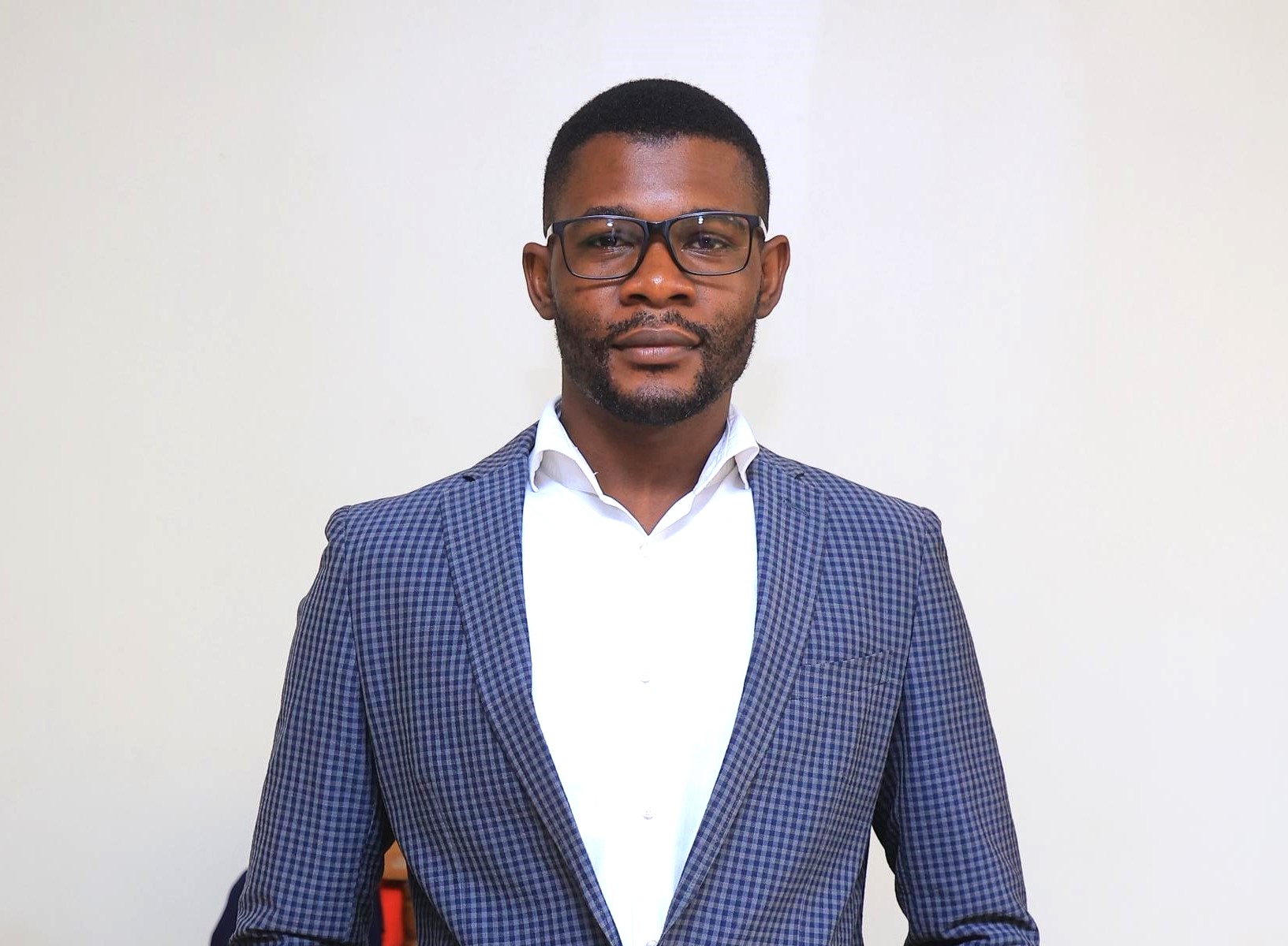
Wabusimba Amiri

Wabusimba Amiri

Across many global democracies, internal party primaries offer a crucial mechanism for political renewal, grassroots engagement, and institutional legitimacy. In Uganda, however, the lead-up to the 2026 general elections, marked by the 17 July internal party primaries particularly those within the National Resistance Movement (NRM) reflects an uneasy paradox. While presented as instruments of democratic consolidation, these processes increasingly reveal deep-seated structural inconsistencies, raising questions not only about intra-party governance but also about the trajectory of political accountability in the country.

Recent developments from within the ruling party points to troubling patterns. Constituency-level irregularities have become disturbingly common, with voter rolls allegedly tampered with, procedural ambiguities weaponized, and administrative frameworks manipulated by politically connected aspirants. In several districts, there have been unverified but recurring reports of electoral officials being facilitated sometimes transported by candidates themselves, blurring the line between supervision and complicity. These practices are not merely lapses in administrative diligence. They expose a deeper erosion of trust in party institutions and, by extension, state systems. When aspirants can unduly influence party structures without consequence, the legitimacy of electoral outcomes whether internal or national becomes precarious.

Related posts

Uganda’s Plan to Downsize Foreign Missions: A Strategic Retreat or Cost-Cutting Measure?

When Aptitude Tests Become Gatekeepers of Opportunity

April 2, 2026
Wabusimba Amiri

What a Kombucha Jar in Mubende Reveals About Uganda’s Standards Economy

March 11, 2026

An equally telling dimension of this unfolding dynamic is the electoral defeat of senior figures, including ministers, Resident District Commissioners (RDCs), and sitting Members of Parliament. Under different circumstances, such losses might indicate a healthy culture of political self-correction. Yet in Uganda’s context, these defeats rarely result in introspection or retirement from public roles. Instead, reappointments often through presidential discretion usher many backs into senior governmental or advisory positions. The message this sends is unambiguous: political loyalty, not electoral endorsement, is the currency of upward mobility.

This dynamic reinforces a centralization of authority that compromises institutional checks and weakens democratic resilience. Uganda’s political party in power, with President Yoweri Museveni at once its national leader and party chairman, presides over an architecture that conflates state apparatus with partisan strategy. This convergence complicates notions of neutrality, particularly in institutions charged with oversight, such as the Electoral Commission, security agencies, and public media. Unlike in many mature democracies where ideological clarity, procedural predictability, and civic deliberation are cornerstones of internal party legitimacy, Ugandan political parties tend to operate within fluid, personality-driven ecosystems. Shifts in allegiance often reflect tactical realignments rather than principled divergence. This has fostered a political landscape where internal party democracy is more performative than participatory.

Compounding these institutional weaknesses is the continued use of openly visual voting mechanisms during primaries where voters line up behind their preferred candidates. While officially presented as efficient, this method, particularly in rural communities, raises serious concerns about privacy, coercion, and intimidation. Such practices deter participation, fuel political apathy, and undermine the very credibility that primaries are meant to bolster. Perhaps more subtly, but no less critically, this electoral choreography affects public perception beyond the ruling party. Opposition formations many of which are preparing for their own internal primaries face a different set of challenges: under-resourced institutions, limited operational cohesion, and susceptibility to factional splintering. Their ability to distinguish themselves as credible alternatives will depend not on rhetoric alone but on whether they model transparency, consistency, and institutional discipline in their own processes.

To reverse the trend of democratic atrophy, reform must move beyond cosmetic adjustments. A genuine renewal of Uganda’s political system both within and across parties requires a reimagining of how authority is earned, how legitimacy is retained, and how institutions can be structured to outlast personalities. Key among these reforms must be the depoliticization of state institutions. Bodies such as the Electoral Commission and the national broadcaster must be structurally insulated from partisan influence, with clearly delineated mandates and robust public oversight. Similarly, appointments to public office especially strategic roles like RDCs or cabinet portfolios should be grounded in measurable performance, not allegiance. In an age where technology facilitates anonymity and accuracy, clinging to methods that expose voters to potential reprisal is both regressive and damaging. Voter education, digital registry integrity, and enforceable codes of conduct must become non-negotiable standards.

Uganda’s political parties stand at a crossroads with the ruling party’s primaries currently dominating the public narrative, the conduct of opposition groups in their forthcoming processes will be equally consequential. Should they mirror the ruling party’s opaque tendencies, the prospect of democratic renewal narrows further. On the other hand, if they rise to the challenge by anchoring their legitimacy in systems, not strongmen they may yet redefine what political engagement means in the Ugandan context. Globally, the most enduring democracies are not those immune to institutional stress, but those that use moments of internal crisis to reinvent their norms, reassert the rule of law, and recalibrate the balance between authority and accountability. Whether Uganda’s political class across the spectrum is ready to engage in such a transformation remains an open and pressing question.

Wabusimba Amiri is a communication specialist, diplomatic Scholar, Journalist, political analyst and Human Right activist. Tel: +56775103895 email: Wabusimbaa@gmail.com
Tags: Amiri Wabusimbi
ShareTweetPin
Previous Post

Clarification: Faridah Nassolo, Husband Not Among Those Arrested in Mukono Recruitment Scandal

Next Post

Buganda Road Court Grants Bail to NUP’s Noah Mutwe After 60 Days on Remand

Related Posts

Twiine Mansio Charles
Opinion

The Bitter Guest: How Emmanuel Macron Mistook Kenyan Hospitality For A License To Command

May 12, 2026
Engineer
Opinion

ENGINEERING AN ABSURDITY: When Protectors Of Public Safety Become Persecutors Of Law

May 5, 2026
Phillip Karugaba
Opinion

Opinion: Why the Sovereignty Bill Must Be Withdrawn Now

May 2, 2026
Twiine Mansio Charles, CEO and Founder, The ThirdEye Consults (U).
Opinion

The Suicide Of Ubuntu: Pretoria’s Collapse Into Vigilantism And The Death Of The Pan-African Dream

May 1, 2026
Leonard Kamugisha Akida
Opinion

Beyond The Numbers: Uganda’s Hidden Crisis Of Sexual Violence

April 30, 2026
Why Mukono’s Trade Order Is a Necessary Step for Progress
Opinion

Why Mukono’s Trade Order Is a Necessary Step for Progress

April 18, 2026
Next Post
NUP's Noah Mitala, also known as Nuwa Mutwe (left), and former CID spokesperson Charles Mansio Twiine (right) appear before court.

Buganda Road Court Grants Bail to NUP’s Noah Mutwe After 60 Days on Remand

RECOMMENDED NEWS

Mukono District Leaders Accused Of Alleged Role In Illegal Lake Sand Mining

Mukono District Leaders Accused Of Alleged Role In Illegal Lake Sand Mining

1 year ago
Court Ready to Deliver Anti-Homosexuality Act Judgement on Wednesday

Court Ready to Deliver Anti-Homosexuality Act Judgement on Wednesday

2 years ago
A minor under the care of Sarafina Sickle Cell Society-SASCELL located at Seeta Mukono

Sarafina Sickle Cell Society; Improving Lives of Sicklers in Uganda

6 years ago
Opposition’s Six Demands For Resuming Parliamentary Sessions

Parliamentary Crossroads: Opposition Divided Over Sessions Boycott

2 years ago

FOLLOW US

Insight Post Uganda

We bring you the most balanced news professionally investigated by our news team. The Insight Post is Uganda’s News company regulated by the Uganda Communications Commission.

Follow us on social media:

Recent News

  • The Rise of Justice Kazibwe: From Legal Aid Lawyer to Deputy Chief Justice
  • Nwoya Gets New CAO Amid Multi-Billion Corruption Allegations Against Egunyu Nantume
  • Questions Emerge Over Mulyanyama’s Priorities After Swearing-In Promises

Category

  • Agriculture
  • Business
  • Editorial
  • Education
  • Environment
  • Health
  • Lifestyle
  • Luganda
  • News
  • Opinion
  • Photos
  • Politics
  • Profiles
  • Religion
  • Runyankole
  • Security
  • Sports
  • Tourism
  • Uncategorized
  • World News

Recent News

Justice Moses Kazibwe Kawumi

The Rise of Justice Kazibwe: From Legal Aid Lawyer to Deputy Chief Justice

May 14, 2026
Former Nwoya District CAO Jenephar Nantume Egunyu and newly appointed Chief Administrative Officer Richard Madete. Madete has officially taken over leadership of the district amid ongoing corruption allegations facing Nantume.

Nwoya Gets New CAO Amid Multi-Billion Corruption Allegations Against Egunyu Nantume

May 14, 2026
  • About
  • Advertise
  • Careers
  • Contact

© 2024 The Insight post Uganda - The Insight post uganda. Site Powered by Bookablehood Ltd.

Welcome Back!

Login to your account below

Forgotten Password?

Retrieve your password

Please enter your username or email address to reset your password.

Log In
error: Content is protected !!
en_USEnglish
en_USEnglish
No Result
View All Result
  • Home
  • Politics
  • Business
  • Sports
  • Lifestyle
  • Tourism
  • Opinion

© 2024 The Insight post Uganda - The Insight post uganda. Site Powered by Bookablehood Ltd.