
















As schools across Uganda resumed classes for the new term, renewed concern over Ebola has emerged, with education authorities warning that many institutions remain ill-prepared despite previous outbreaks that disrupted learning nationwide.
Health officials point to the 2022 Sudan virus Ebola outbreak, which forced an early closure of schools after infections spread rapidly among learners.

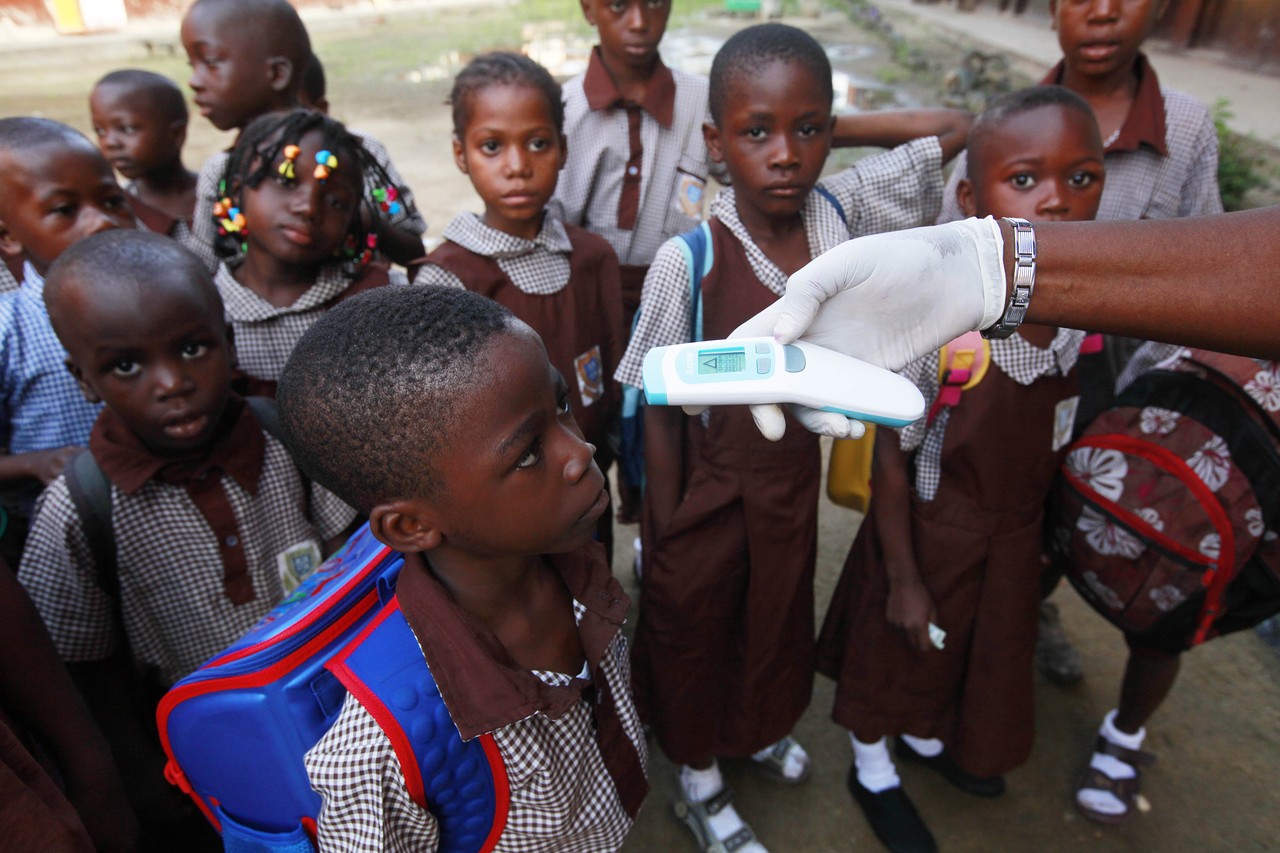
The World Health Organization (WHO) reported that children made up about a quarter of confirmed cases, while those under 10 recorded a particularly high fatality rate, estimated at 74%.
With the Bundibugyo virus strain reported to have crossed from the Democratic Republic of Congo into parts of the region, authorities have intensified calls for strict observance of Standard Operating Procedures (SOPs) in schools to prevent a repeat of past disruptions.
However, a spot-check by this website across several districts shows that many schools have reopened with minimal preparedness.
In several learning institutions, basic preventive measures such as functioning handwashing stations, temperature screening, and structured entry monitoring were either missing or inconsistently applied.
In Nansana Municipality, conditions were found to be particularly concerning. At St. Joseph Nansana, visitors and parents were observed moving freely into the school compound without any temperature screening, while handwashing facilities were either insufficient or not visibly in use.
At St. Stevens Primary School, staff admitted that some of the Ebola response equipment provided during earlier outbreaks had deteriorated. A teacher noted that several handwashing points were not functional, and temperature guns previously supplied were no longer working.
Similar challenges were observed in Maganjo and nearby areas, where schools reported overcrowding and resource constraints on the first day of reopening.
At Sam Iga Memorial College, although handwashing containers had been positioned around the school, they had not yet been fully operational by morning. Administration officials attributed the delay to ongoing preparations at the start of the term.
The school’s Assistant Director of Studies, Jimmy Bagunywa, said the administration was still rolling out additional preventive measures, including procurement of temperature screening devices, which had not arrived in time for reopening.
At Maganjo UMEA Primary School, Headteacher Afua Bogere said the school had begun improvising with available resources, including jerrycans placed outside classrooms and soap provided through internal mobilization while awaiting government support. However, the school also lacked temperature screening equipment at the start of the term.
In contrast, St. Thomas Aquinas Secondary School in Jinja Karoli appeared more organized, with Ebola sensitization sessions conducted in the morning and an isolation room already set up for emergency response.
School administrator Ismail Nteza said learners were required to present medical clearance before admission, while efforts were underway to produce liquid soap within the school as a sustainability measure. The school, however, had not yet acquired temperature guns.
Education officials have emphasized that compliance with SOPs remains mandatory. Wakiso District Education Officer Primah Nanyanzi said government capitation grants had already been disbursed to public schools, and headteachers were expected to prioritize basic hygiene infrastructure such as handwashing facilities and soap procurement.
She added that routine Ebola precautions have now become part of standard school safety requirements, warning that inspections would soon be conducted to assess compliance levels across institutions.
In Masaka, City Education Officer Stephen Kakeeto said inspection teams had been deployed to ensure schools reactivate emergency response committees and strengthen preventive measures. He cautioned that relaxed attitudes could expose learners to unnecessary risk, particularly in areas not formally classified as high-risk zones.
He also confirmed that meetings had been convened with headteachers to reinforce compliance, noting that some schools were still operating without visible screening procedures at entry points.
In Luwero, several government schools have reinstated handwashing stations at entrances. At Luwero Boys Primary School, Headteacher Godfrey Ssendikaddiwa said the institution had improvised with liquid soap obtained on credit while awaiting capitation funds.
The school is also exploring the use of portable screening devices to identify symptomatic learners early, with isolation arrangements in place for suspected cases.
He acknowledged, however, that sustaining preventive supplies remains a challenge for many schools, especially those serving low-income communities with large enrolments.
In Kabale, a mixed picture was observed. Some schools, including Makanga Primary School, lacked visible handwashing stations and Ebola awareness messaging, while others such as Lower Bugongi Primary School and University View Nursery and Primary School had at least basic hygiene facilities in place.
At Golden Stars Day Care and Nursery School, pupils were even guided through handwashing demonstrations as part of sensitization efforts.
At Kabale Primary School, a handwashing station was present at the entrance, but most schools visited had not yet displayed Ebola awareness notices across their compounds.
In Kampala, compliance appeared comparatively stronger. At KCCA Primary School in Kamwokya, handwashing facilities with soap were available across the compound, although temperature screening devices were not consistently in use. Teachers were seen conducting classroom-based sensitization after the school skipped the traditional morning assembly.
At Boston Junior School in Makindye and Kololo Senior Secondary School, entry points were monitored by security personnel who ensured students washed their hands before entering. However, some staff noted gaps in awareness among parents and learners regarding the current outbreak risks.
Boston Junior School Director Namutebi Jaquiulin Kiberu said the school had strengthened its screening measures, including temperature checks for learners, due to its diverse student population. She noted that maintaining consistent awareness among parents and students remained a challenge despite visible preventive efforts.
Elsewhere, school attendance on the first day of reopening was generally low in many institutions, a trend teachers attributed to the usual adjustment period at the beginning of a term. However, KCCA Primary School recorded high turnout, particularly in upper classes, after what administrators described as improved engagement with parents.
School officials across the country have urged continued vigilance, warning that gaps in preparedness could undermine efforts to prevent another outbreak from disrupting education once again.







 English