















Uganda has confirmed an imported case of Ebola Bundibugyo virus disease involving a 59-year-old Congolese national who died in Kampala after being admitted to Kibuli Muslim Hospital, the Ministry of Health announced on Friday.
According to a statement issued by the Ministry’s Permanent Secretary, Diana Atwine, the patient was admitted on May 11, 2026, presenting symptoms including respiratory distress, fever, epigastric pain, nausea and difficulty passing urine.

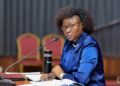
Dr Atwine said the patient’s condition worsened while receiving treatment and he later died in the Intensive Care Unit on May 14 with bleeding symptoms associated with Ebola.
“The body was taken back to the Democratic Republic of Congo at 8pm the same day,” she said.
The ministry revealed that on May 15, Ugandan health authorities received an alert from public health officials in the Democratic Republic of Congo regarding a suspected Ebola case linked to the deceased.
A sample that had been collected from the patient during treatment was later tested at the Central Emergency Surveillance and Response Support Laboratory in Wandegeya, where it was confirmed positive for Ebola Bundibugyo virus disease.
“This is an imported case from DRC. The country has not yet confirmed a local case,” Dr Atwine stated.
Health authorities said response measures have already been activated across the country to prevent possible spread of the virus.
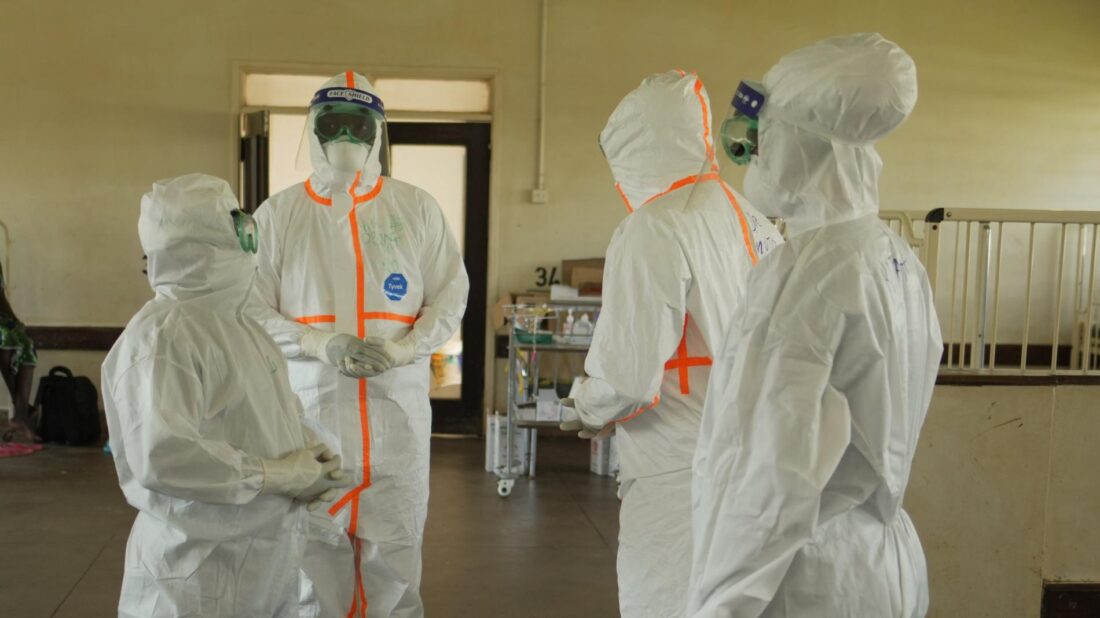
The Ministry of Health has deployed teams for screening, surveillance and rapid response at both official and informal border entry points, particularly along the western border, major transit routes and pilgrimage corridors.
Authorities have also strengthened preparedness in high-risk districts through the activation of response structures, establishment of isolation arrangements, intensified infection prevention measures and deployment of a mobile laboratory at Bwera Hospital.
Dr Atwine said one high-risk contact, described as a close relative of the deceased, has already been isolated while other contacts linked to the patient are being quarantined and monitored.
The ministry has urged all health workers to remain vigilant and strictly follow infection prevention protocols.
Private health facilities have also been directed to observe standard operating procedures and immediately report suspected Ebola cases to district health authorities.
Members of the public have been advised to avoid physical contact with individuals showing Ebola-like symptoms and to maintain regular handwashing practices.
The ministry further warned against contact with bodily fluids including blood, urine, sweat, saliva, vomit and stool, which are known channels for transmission of the virus.
Health officials also cautioned that bodies of people suspected to have died from Ebola-related illnesses should only be handled under supervision of trained health teams to ensure safe and dignified burials.
All public places have been encouraged to provide handwashing facilities as part of preventive efforts against the disease.






 English