


















Medical professionals and student leaders have raised strong objections to the proposed National Education and Training for Health Policy, arguing that it could undermine the welfare of medical interns, weaken training standards, and deepen shortages in Uganda’s health workforce.
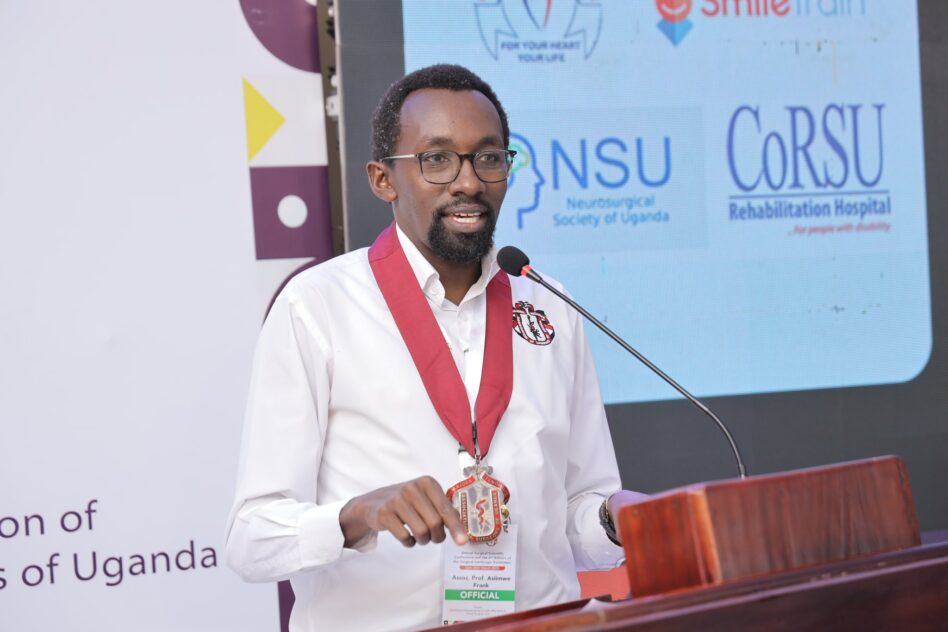
The Uganda Medical Association (UMA) President, Dr Frank Asiimwe, together with other stakeholders, accused the Ministry of Health and Ministry of Education of advancing reforms without sufficient stakeholder engagement.


Dr Asiimwe described the policy in harsh terms, calling it “draconian, shambolic and dead on arrival,” and faulted it for attempting to reclassify medical interns as students rather than graduates undergoing supervised professional training.
He stressed that interns have already completed all academic requirements for their degrees and should not be subjected to policies that delay their professional recognition.
“Once a person has satisfied all requirements for a degree, they are no longer students. They are qualified doctors, pharmacists, nurses, or dental surgeons undertaking supervised practice,” he said.
Dr Asiimwe also rejected proposals suggesting that medical graduates should undertake an additional internship year at the same universities where they studied, arguing that such a move would distort the established internship framework.
“You cannot take someone who has completed a degree and return them to student status. That would create serious challenges for professional regulation and internship management,” he noted.
The proposed policy has also drawn criticism for provisions that could alter internship placements and remuneration. Dr Asiimwe maintained that internship is a well-established component of medical training in Uganda and cautioned against withdrawing financial support for interns.
He added that interns have historically been compensated during their training and warned against what he described as attempts to reverse long-standing practice. “We are dealing with human lives. Internship is supervised practice, not classroom learning. If government decides not to employ interns, that is its choice, but it should not amount to forced labour,” he said.
The medical leaders further questioned whether such far-reaching changes could be introduced through policy directives without corresponding legislative amendments. They argued that reforms affecting training, licensing, and professional progression require extensive consultation involving universities, regulatory bodies, and health workers.
They also warned that the proposed changes could lower morale among young health professionals and negatively affect service delivery in public hospitals.
The National Education and Training for Health Policy is intended to streamline health training systems and provide strategic direction for improving the quality of health education, training resources, and workforce development.
According to its drafters, the policy aims to enhance the quality and quantity of health trainers, improve training facilities, and ensure better provision of learning materials.
At a press briefing organised by the Uganda Law Society on Thursday, Dr Asiimwe was joined by former UMA Secretary General Dr Ekwaro Obuku, who is now studying law. Dr Obuku argued that the government was underestimating the value interns contribute to the health system.
He noted that the annual cost of supporting about 2,000 interns—estimated at 24 billion shillings—was relatively small compared to government expenditure in other sectors.
Using surgical procedures as an example, Dr Obuku said interns actively contribute to service delivery. He estimated that an intern performing at least one caesarean section per month generates services worth about 12 million shillings annually, with many interns performing even more procedures.
“It is not correct to say interns take without giving back. Their contribution to healthcare is significant. When you factor in surgeries and other services, they generate value far exceeding what is spent on them,” he said.
He also emphasized that interns often work in demanding conditions, including emergency, maternity, and surgical wards, where they face high workloads and occupational risks such as exposure to infectious diseases.
“These young professionals are on the front line every day, handling life-and-death situations. It is unfair to deploy them in crisis situations like Ebola outbreaks without adequate support and expect them to remain motivated,” he added.
Dr Obuku further argued that government has a responsibility to sustain internship funding, saying interns deliver essential services and should not be treated as an economic burden.
The Pharmaceutical Society of Uganda (PSU) also rejected key elements of the policy. Its president, Dr Stephen Lutoti, said the reforms should be suspended because they were developed without adequate consultation with key stakeholders.
Lutoti noted that even the policy’s own analysis acknowledges major challenges in the health training system, including shortages of supervisors, training facilities, equipment, medicines, and inadequate welfare for interns.
He argued that while the policy highlights these gaps, some of its recommendations risk worsening the situation.
“It is contradictory to acknowledge shortages in training infrastructure and workforce capacity, and then propose measures that may discourage trainees from joining the profession,” he said.
He further opposed provisions that would classify interns as students despite completion of their degrees, saying such a shift would conflict with established training and licensing systems.
“We cannot support provisions that create confusion in professional classification and regulation. The internship system should be strengthened, not undermined,” he added.
Lutoti called for the suspension of implementation until broader consultations are held, involving universities, professional councils, and health sector workers.
Similarly, Precious Grisha Achen, a final-year Pharmacy student at Makerere University and President of the Uganda Pharmaceutical Students Association, warned that students and pre-interns may boycott internship placements if the policy is not revised.
“We want to make our position clear: unless the policy is reviewed, we may not report for internship in August. This is not just about current students, but also those who will join the profession in future,” she said.
Stakeholders also raised concerns about whether the proposed policy could legally override existing laws governing professional training, labour rights, and employment standards.
They accused government of failing to adequately engage universities, professional councils, and healthcare workers during the drafting process.
Ultimately, they called on government to preserve internship support systems, arguing that investing in young health professionals is essential to sustaining Uganda’s healthcare delivery system.










 English