









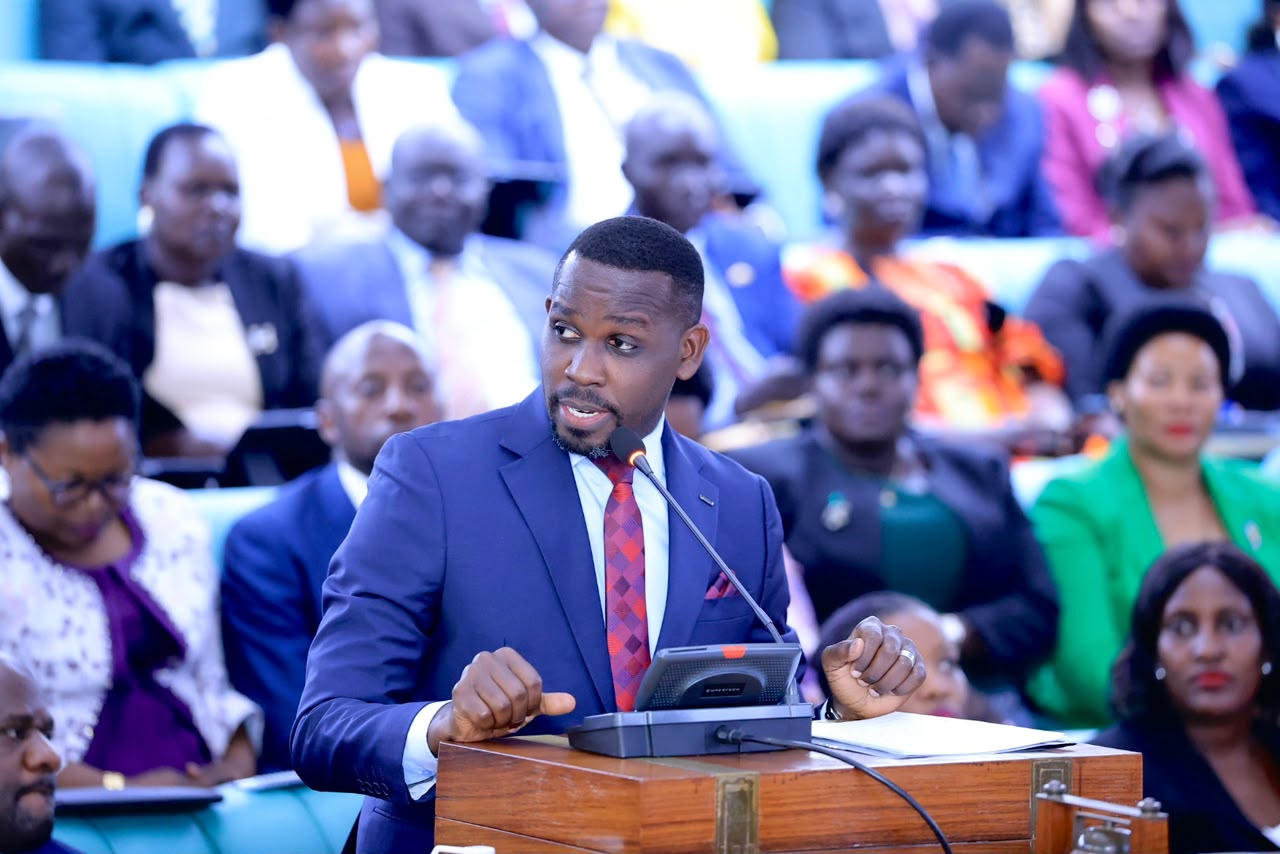
The Leader of the Opposition in Parliament, Joel Ssenyonyi, has urged the government to explain why several non-governmental organisations (NGOs) have remained suspended for nearly eight months without being informed of the outcome of investigations into their activities.
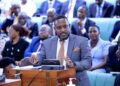
Raising the matter during Tuesday’s parliamentary sitting chaired by Deputy Speaker Thomas Tayebwa, Ssenyonyi said the continued silence has left the affected organisations in uncertainty despite earlier assurances that investigations would be completed within a short time.

He noted that the organisations were suspended over allegations of engaging in subversive activities but have since received no official communication on the progress or conclusions of the investigations.
The affected organisations include the African Centre for Media Excellence (ACME), AGoRa Centre for Research, Alliance for Campaign Finance Monitoring (ACFIM), African Centre for Treatment and Rehabilitation of Torture Victims (ACTV), Chapter Four Uganda, Centre for Constitutional Governance (CCG), Uganda National NGO Forum, Network for Public Interest Lawyers (NETPIL), National Coalition of Human Rights Defenders Uganda (NCHRD-U), and Human Rights Network for Journalists Uganda (HRNJ-U).
Ssenyonyi said principles of natural justice require authorities to communicate the findings of investigations within a reasonable period, especially where legally registered organisations have had their operations halted.
“It is only fair that when you suspend an organisation, you communicate. If there is an issue, they should know so that they can defend themselves,” he told Parliament.
He questioned why organisations that have operated legally in Uganda for years continue to face indefinite suspension without a formal determination of their status.
According to Ssenyonyi, the prolonged uncertainty has affected hundreds of employees and disrupted programmes that support governance, media development, legal aid, civic education and human rights monitoring across the country.
“These organisations employ hundreds of Ugandans who have now gone months without certainty about their future. Government owes them and the public an explanation,” he said.
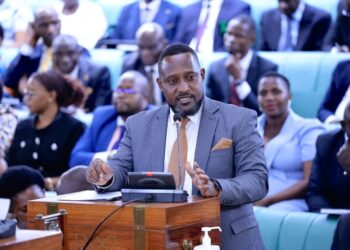
Responding on behalf of the government, Government Chief Whip Dr Jane Ruth Aceng said the Executive was still consulting relevant ministries before presenting a comprehensive statement to Parliament.
She explained that discussions involving the Ministry of Internal Affairs and the Presidency were ongoing following representations made by the affected organisations. She assured legislators that government would return to Parliament with a formal response once the consultations are concluded.
The suspended NGOs have been at the centre of debate over the balance between government oversight and civic freedoms. While the government maintains that NGOs must comply with the law and has defended stricter regulation as necessary to safeguard national security, financial accountability and legal compliance, civil society organisations have argued that enforcement measures should be transparent, fair and consistent with constitutional protections.
Uganda’s NGO sector is regulated under the Non-Governmental Organisations Act, 2016, which provides the legal framework for the registration, operation and supervision of NGOs through the National Bureau for Non-Governmental Organisations. The law empowers regulators to investigate organisations suspected of breaching legal requirements while also requiring fair administrative procedures during disciplinary processes.
Civil society groups have repeatedly maintained that prolonged suspensions without clear findings or official communication undermine public participation, constitutional freedoms and the delivery of essential services in areas such as human rights, governance, health and community development.








 English