
















The Tooro Kingdom has entered a period of uncertainty following the death of King Oyo Kabamba Iguru Rukidi IV, with questions emerging over who will succeed him on the throne.
King Oyo died last Thursday in the United States, where he had reportedly travelled for medical treatment. His death has triggered discussions within and outside the kingdom over the future of the monarchy, particularly amid conflicting accounts regarding whether he left behind a son who could inherit the throne.
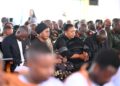
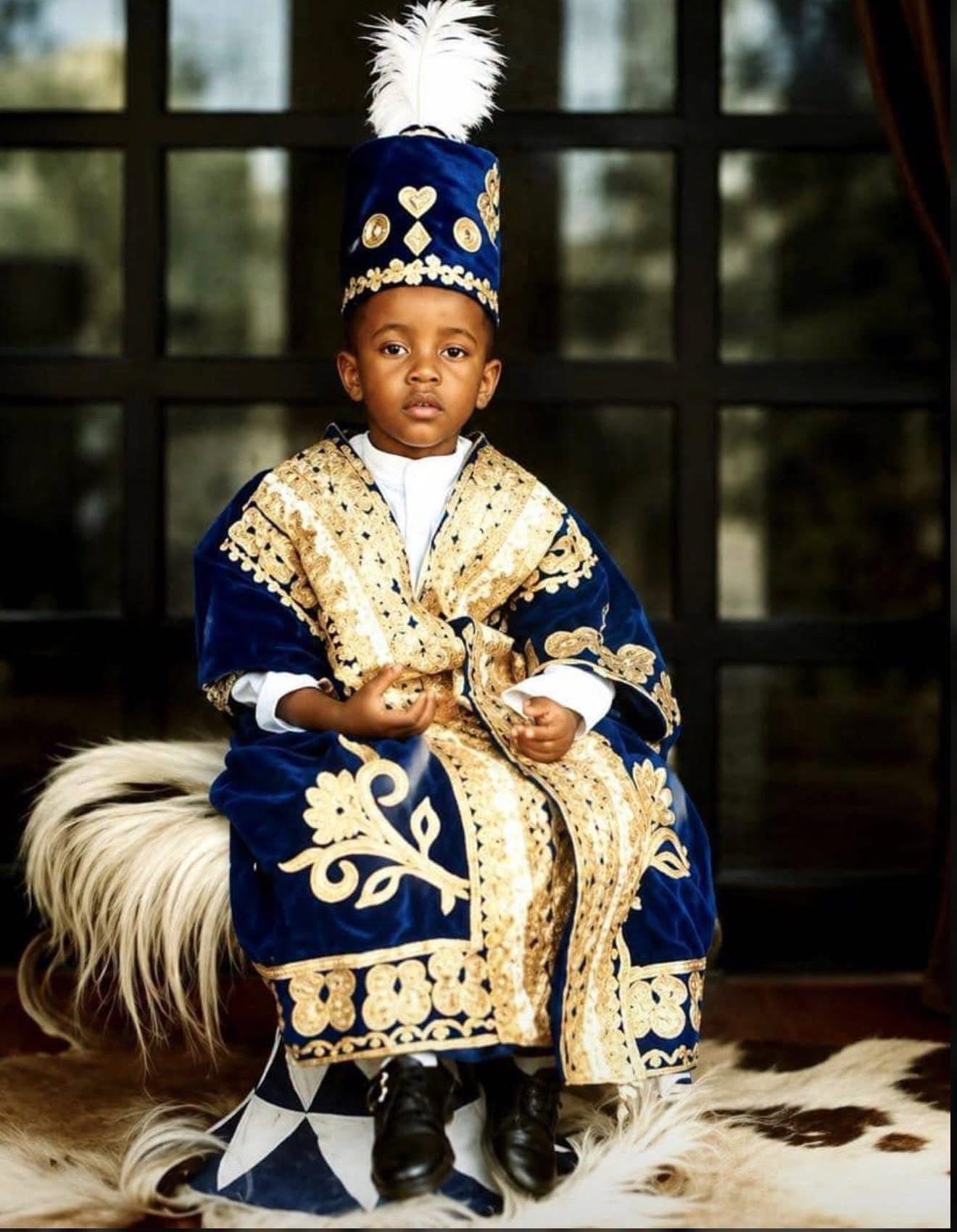
In an official statement, Tooro Kingdom Prime Minister Calvin Armstrong Rwomire said the late King had left behind a son, raising the possibility that the child could become the next Omukama.
President Yoweri Museveni also referred to the existence of the child, saying the Queen Mother had informed him that the late monarch had a son.
However, the claims have been questioned by some members of the kingdom’s royal establishment.
Charles Kamurasi, the Omusunga and head of the Tooro Royal Clan, said he was surprised by reports that the late King had left behind a son. Kamurasi, who said he had known King Oyo since childhood, expressed doubts about the information and called for clarity regarding the alleged heir.
He warned against rushing the succession process on the basis of unverified information, arguing that should no direct heir be formally established, the kingdom must fall back on its established traditions and royal lineage.
According to Kamurasi, the succession would, in such circumstances, follow the traditional line of descent, with the throne reserved for the lineage of Rukidi III.
As discussions continue, a 21-member committee of elders from the Babiito royal clan has been constituted to guide the kingdom through the transition and oversee the traditional succession process.
The committee, chaired by Musuga Charles Kamurasi, brings together several senior Babiito clan members, including Dr Isaac Mayombo, Fr Dr Charles Oyo, Dr Kagoro Kaijamurubi, Job Karamagi and Gilbert Mujogya.
The elders are expected to guide preparations for the selection and installation of the next ruler in accordance with the kingdom’s customs and traditions.
Kasaija Ernest Kusemerera, who serves as the Omukumirizi and is responsible for the Omukama’s local security, said the priority during the transition is to ensure that the succession process is handled in a manner that respects the kingdom’s traditions while preserving peace and stability.
Meanwhile, David Baguma, one of the traditional ritualists attached to the Tooro Kingdom, said that if the late King indeed left behind a son, established customs would have to be followed before the child could formally be considered for succession.
Baguma explained that the child’s maternal grandfather would first be required to formally present him to the elders of the Babiito clan. The clan leaders would then undertake the necessary traditional procedures and rituals to prepare the child for his future responsibilities before the formal succession process could proceed.
He appealed for calm among the people of Tooro, saying the kingdom has long-established structures capable of managing the transition.
Baguma said that even in the event that no direct heir is formally confirmed, the Tooro Kingdom has clear traditional procedures for determining who should ascend to the throne.
As the kingdom mourns the death of King Oyo, attention is now increasingly turning to the royal succession process, with the Babiito clan elders expected to play a central role in determining the next chapter of the Tooro monarchy.










 English