











Uganda’s Public Accounts Committee (PAC) has proposed cutting the membership of Parliament’s three accountability committees by half and barring their members from serving on sectoral committees, saying competing assignments are delaying the scrutiny of public expenditure.
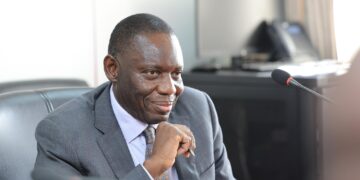
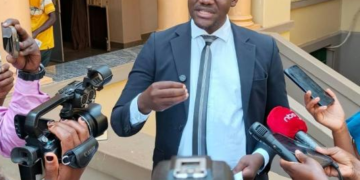
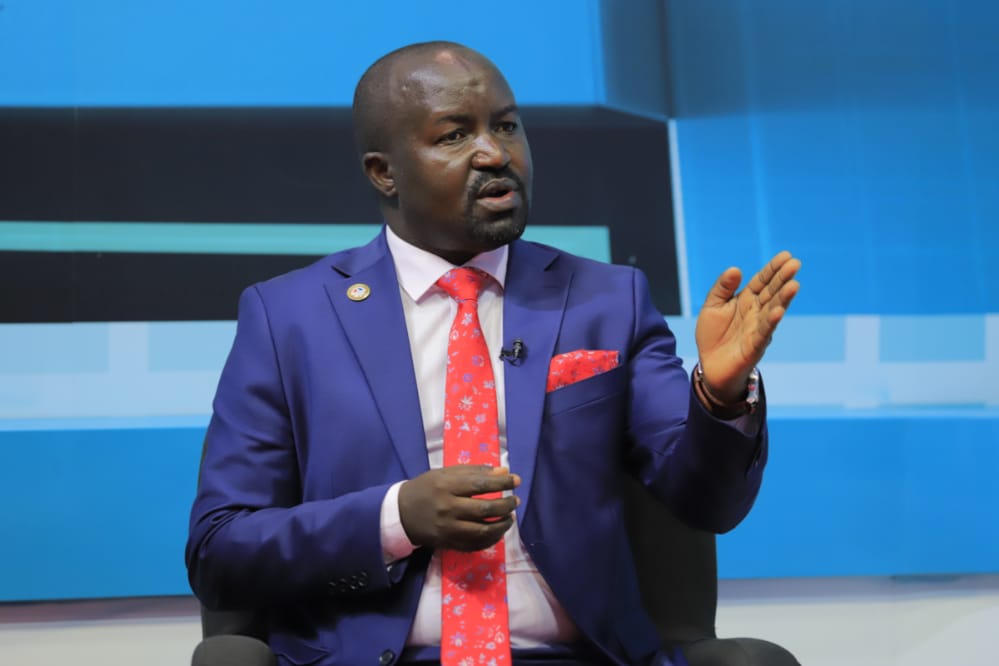
Patrick Nsamba Oshabe, the Chairperson of PAC Central, presented the proposals to Parliament’s Committee on Rules, Privileges and Discipline, arguing that the current arrangement makes it difficult for accountability committees to examine the growing volume of audit reports and meet the six-month statutory deadline.
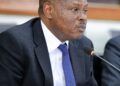
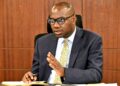
Oshabe said PAC Central has 42 members, but only about 15 to 20 regularly participate in its activities. He attributed the low participation to competing responsibilities, particularly on sectoral committees, which often take priority during the annual budgeting process.
He said the situation leaves some legislators serving on accountability committees in name, while their limited attendance affects the committees’ ability to complete their work.
“When one is a member of PAC, but there is something going on in Finance, the member leaves you here, yet you are relying on them, but they also want to attend to Finance,” Oshabe told the committee.
He said similar challenges arise when members attend meetings of committees responsible for infrastructure and other sectors, leaving audit scrutiny unattended.
To address the problem, Oshabe proposed reducing the membership of the three accountability committees by 50 per cent and assigning the remaining members exclusively to oversight work.
The committees are PAC Central, which examines the accounts of central government institutions; PAC Local Government, which scrutinises local governments; and the Committee on Commissions, Statutory Authorities and State Enterprises (COSASE), which examines the accounts and operations of statutory bodies and state enterprises.
Under the proposed arrangement, members of the accountability committees would not simultaneously serve on sectoral committees. Oshabe argued that the change would allow legislators to concentrate on audit reports, investigate financial irregularities and prepare reports within the required timelines.
He said the existing arrangement creates interruptions, particularly when sectoral committees are considering budget estimates for the next financial year.
“When you have members of the accountability committees specific to that role alone, you will be sure that as sectoral committees are considering the budget for the next financial year, that they are not told to stand still,” he said.
Beyond restructuring membership, Oshabe called for dedicated funding for the accountability committees, saying their workload is significantly greater than that of many other parliamentary committees.
He said the committees examine audit findings from ministries, hospitals, universities, local governments and other public institutions, requiring adequate time and resources to investigate cases and verify findings.
However, he argued that their funding does not reflect the scale of their responsibilities.
Oshabe cited an instance in which his committee requested five days to examine reports but was allocated only two days under the existing parliamentary budget arrangements.
He said inadequate funding also affects field investigations, with the resources available for some visits falling short of what is required to accomplish the planned work.
According to Oshabe, a dedicated budget would enable the committees to organise realistic work plans, conduct effective field inspections and scrutinise audit findings thoroughly instead of rushing through reports to meet deadlines.
He also proposed introducing qualifications and other selection criteria for MPs appointed to accountability committees, saying the demanding nature of audit work requires members who can commit sufficient time and effectively examine public expenditure.
Oshabe maintained that reducing membership would not compromise oversight, provided the remaining legislators were appropriately selected, dedicated exclusively to accountability work and supported by adequate research staff and funding.
The proposals are part of a wider review of Parliament’s Rules of Procedure intended to improve the performance of accountability committees and address the backlog of audit reports.
Oshabe also opposed a proposal to retain the same membership of the Public Accounts Committee throughout the five-year parliamentary term. He argued that changes should be permitted after two and a half years to accommodate circumstances such as resignation, loss of a parliamentary seat, conflicts of interest and failure to perform committee duties.
He said parliamentary rules should allow flexibility in membership while ensuring continuity and effective oversight.
The proposals were presented to the Committee on Rules, Privileges and Discipline, chaired by Nakawa East MP Fredrick Ruhindi, which is reviewing parliamentary procedures governing audit scrutiny and accountability.
Ruhindi said the review would consider concerns affecting the audit function, including the backlog of reports and the working arrangements of accountability committees.
The committee is expected to assess the proposals alongside other recommendations aimed at improving Parliament’s oversight of public funds and ensuring that audit findings are addressed promptly.









 English
