












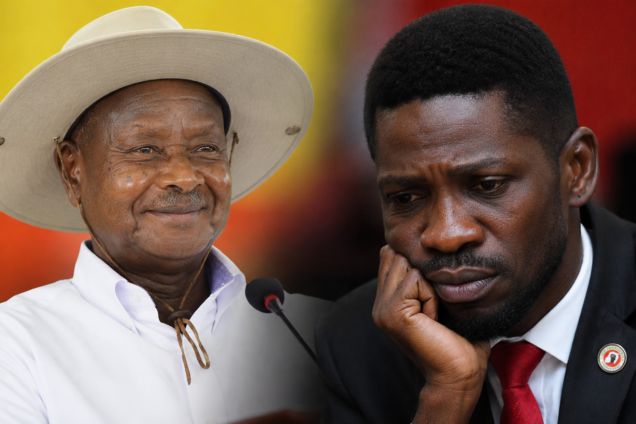
Several months after Uganda’s 2026 general elections, political tensions continue to play out online despite the Electoral Commission (EC) declaring President Yoweri Museveni the winner in January.
Opposition leaders have sustained pressure through X, formerly Twitter, demanding greater transparency and the release of polling station results to verify the announced 71.65 percent victory.
Disputes over the election began on January 15, the day Ugandans voted, when Robert Kyagulanyi, leader of the National Unity Platform (NUP), reported a nationwide internet shutdown and accused authorities of manipulating the vote.
In a series of posts, Kyagulanyi alleged widespread ballot stuffing and called on citizens to resist what he described as an illegitimate government.
The internet blackout, which remained in place during the vote tallying process, has since become central to the opposition’s claims.
Critics argue that the absence of online access during counting created room for possible manipulation of the official figures.
Attention later shifted to demands for the publication of Declaration of Results (DR) forms from every polling station. Opposition supporters insist the forms should be made public to allow independent scrutiny of the results announced by the EC.
On February 3, Forum for Democratic Change (FDC) presidential candidate Nandala Mafabi formally rejected the outcome, accusing the system of widespread irregularities.
His position was later reinforced by FDC president Patrick Amuriat Oboi, who argued that the election did not reflect the true will of Ugandans.
Unlike previous election cycles, however, the post-election contest largely unfolded online rather than in court. Although NUP supporters dominated social media discussions, legal efforts challenging the results quickly faded.
Presidential Petition No. 1 of 2026, lodged by candidate Robert Kasibante, was withdrawn on February 26. Kasibante cited the high costs associated with forensic investigations and limited access to electronic electoral data as reasons for abandoning the case.
Kyagulanyi also declined to petition the Supreme Court, arguing that the judiciary could not deliver an impartial outcome. He pointed to his experience following the 2021 elections as evidence that legal challenges would not produce meaningful results.
After the withdrawal of Kasibante’s petition, the Supreme Court officially confirmed Museveni as President-elect, paving the way for his inauguration scheduled for May 12.
Meanwhile, the Uganda Law Society observed in a February assessment that although electoral procedures were technically followed, concerns over transparency persisted due to internet restrictions and the disqualification of some candidates.
International reaction to the election has remained divided. The African Union commended Uganda for maintaining a regular electoral process, while several Western governments and institutions raised concerns over democratic freedoms.
During a February 12 debate, the European Parliament criticized what it described as a shrinking democratic space in Uganda and discussed reassessing development support to the country.
In the United States, Senator Jim Risch warned that Uganda risked becoming a source of regional instability. Discussions in Washington have also reportedly included possible sanctions targeting Muhoozi Kainerugaba.
The Ugandan government has continued to dismiss foreign criticism, insisting that the heightened security measures were necessary to maintain stability and prevent unrest.
Even so, allegations of electoral irregularities continue circulating across social media platforms, ensuring that debate over the 2026 election remains active months after the official declaration of results.








 English