












By Denis Mukisa
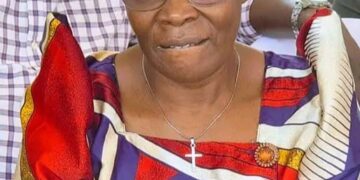
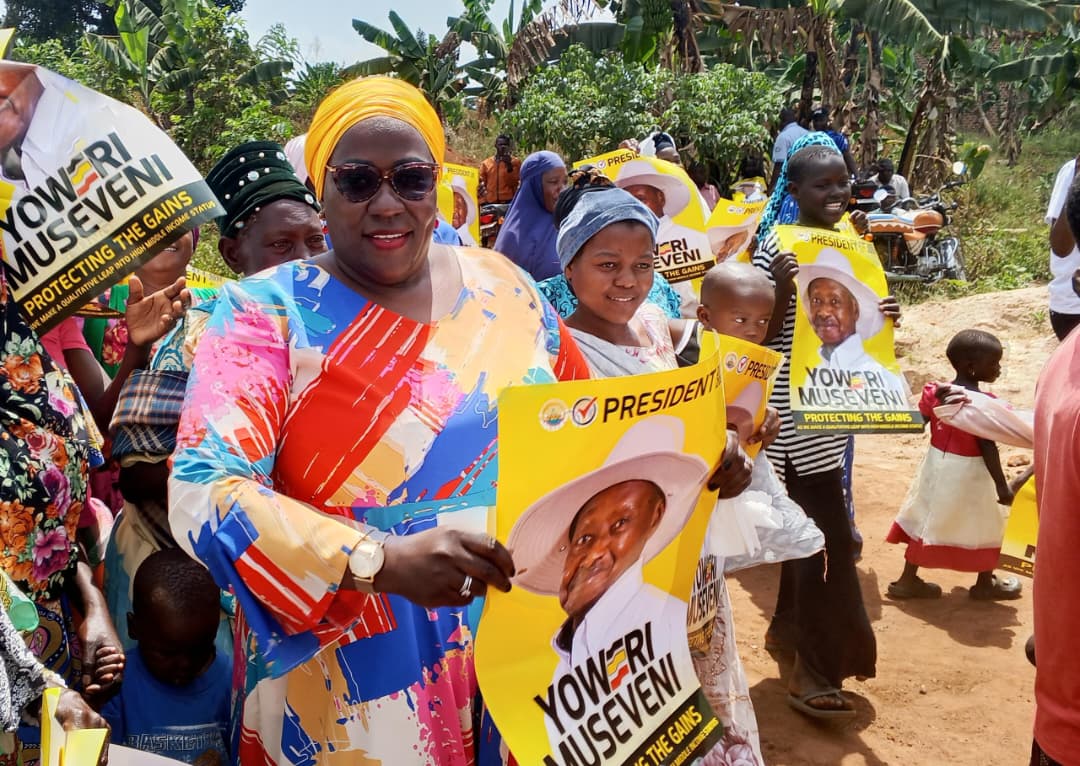
KAYUNGA — Uganda National Women’s Council Chairperson Hajjat Faridah Kibowa has been elected unopposed at the village level women’s council elections in Sseenda Village, Nazigo Town Council, Kayunga District, clearing the first hurdle in her bid to retain her national leadership position.


Kibowa and the entire village women’s council committee were declared elected without opposition after no other candidates expressed interest in contesting the available positions during Thursday’s elections.
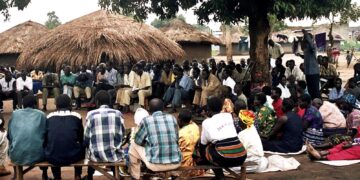
Her unopposed victory reflected the generally peaceful conduct of the village women’s council elections across Kayunga District, where voting was completed in more than 400 villages.
The elections are part of the Electoral Commission’s broader local government electoral roadmap and will be followed by parish, sub-county, district and national women’s council elections.
Addressing voters shortly after being declared elected, Kibowa pledged to focus on strengthening leadership among grassroots women, saying many local leaders still require support to effectively carry out their responsibilities.
“My target now is on the grassroots woman leader in Uganda, to ensure they understand their roles and responsibilities, which is very important in supporting and educating women in all villages across the country,” she said.
She said empowering village women leaders would help communities address challenges such as domestic violence, family breakdown and inadequate awareness of government programmes intended to improve household livelihoods.
Kibowa also identified women’s economic empowerment as a key priority for her next term. She said she intends to establish a national Women’s Savings and Credit Cooperative Organisation (SACCO) by building on existing Village Savings and Loan Associations (VSLAs) and women’s groups.
She appealed to international development partners, women’s organisations and non-governmental organisations to work through the National Women’s Council, describing it as a government structure with representation from the village to the national level that is well positioned to coordinate support for grassroots women.
Seeking another term as national chairperson, Kibowa asked delegates to entrust her with another mandate, saying she intends to build on achievements made during her current tenure.
“I have asked the voters to give me another chance to represent them. I will continue doing more for women, amplify their voices and fight poverty among women through government programmes,” she said.
Residents who attended the elections expressed optimism that Kibowa would retain the national chairperson position, citing what they described as her efforts to promote women’s participation in development programmes and advocate for their interests.
The National Women’s Council was established under the National Women’s Council Act of 1993 to organise and unite women for sustainable community and national development regardless of religion, ethnicity or political affiliation.
Its mandate includes advocating for women’s rights, promoting civic education, building leadership capacity, encouraging accountability and facilitating women’s participation in economic development initiatives.
The village elections mark the beginning of a multi-tier electoral process that will culminate in the election of national women’s council leaders, with the structures expected to play a central role in promoting women’s participation in governance and community development.







 English