
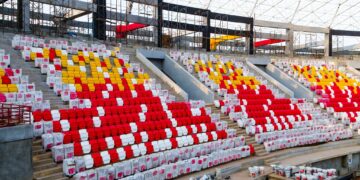



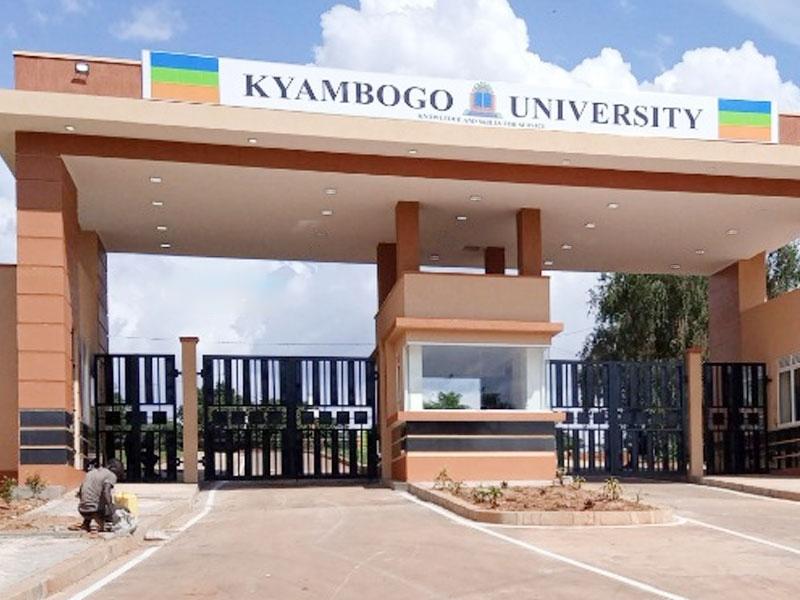
Members of Parliament have questioned the expenditure and implementation of the more than Shs20 billion Kyambogo Training Facility project under the National Council of Sports (NCS), citing missing works, discrepancies in quantities and uncertainty over how project funds were utilised.
The MPs are demanding explanations from NCS, the Ministry of Works and the UPDF Engineering Brigade over discrepancies between the approved works and what was found during an inspection of the facility.
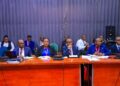
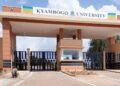
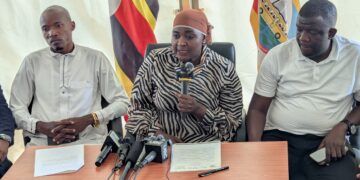
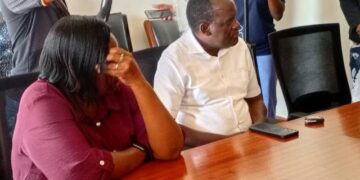
The concerns emerged during an on-site inspection by Parliament’s Committee on Commissions, Statutory Authorities and State Enterprises (COSASE), chaired by Kyadondo East MP Muwada Nkunyingi, following queries raised by the Auditor General in the 2024/2025 financial year audit.
The committee questioned why several items provided for in the Bills of Quantities (BoQs) were either missing, had reduced quantities or had not been installed despite substantial funds having been released for the project.
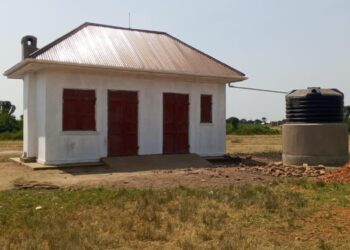
Among the concerns was the absence of a gatehouse, which had been budgeted for at Shs15 million. MPs also questioned discrepancies between the number of windows and doors installed and the quantities provided for in the BoQs.
Nkunyingi said the Auditor General had established that the BoQs provided for 28 windows, but only 17 were counted during the audit.
The committee also counted 17 windows during its inspection, although the project architect disputed the figure, saying there were 19.
There were also discrepancies in the number of doors. Whereas the BoQs provided for 22 doors, MPs counted 11 wooden doors and one metallic door.
The architect, however, said there were 12 timber doors and one metallic door, maintaining that the Auditor General’s figures were inaccurate.
Nkunyingi demanded an explanation for the variations and accountability for the funds allocated to items that were not found at the facility.
The committee also questioned the cost of 25 seats in the changing rooms, which the Auditor General had queried at Shs390 million, asking whether the expenditure represented value for money.
Other items that attracted scrutiny included a perimeter fence reportedly costing Shs278 million, a transformer valued at Shs135 million, a borehole costing Shs30 million and maintenance equipment worth Shs1.2 billion.
MPs questioned why the transformer and borehole had not been identified during the Auditor General’s inspection.
They demanded supporting documents to establish when the facilities were installed and whether they met the required specifications.
The inspection also exposed disagreements between the implementing agencies and the Auditor General’s representatives over how the project was structured and executed.
The UPDF Engineering Brigade project engineer, Lt. Col. Eng. Peter Seku Kidemuka, told the committee that the project was not contracted in phases but implemented through administrative arrangements dictated by the availability of funds.
He explained that the original Memorandum of Understanding provided for a single project, but the Government released funds in instalments, making it difficult to undertake all the works at once.
Kidemuka said the first release was Shs6 billion and that the implementing team prioritised works considered necessary to make the facility available for sporting activities.
He maintained that works initially planned but not executed had been deferred to subsequent implementation stages rather than abandoned.
However, the Auditor General’s representative maintained that the project had been divided into phases, with Shs13.5 billion allocated to the first phase out of the total project funding of approximately Shs20 billion.
The representative presented a Bill of Quantities detailing the first-phase works and said the remaining activities were expected to be undertaken during the current financial year.
The disagreement prompted MPs to question whether changes to the original scope had been authorised and whether the implementing agencies had followed the approved project specifications.
Lugazi Municipality MP Richard Ssalongo Senteza questioned the rationale for prioritising some works over others, saying the implementing agencies needed to demonstrate that their decisions were consistent with the contract and approved scope.
He also questioned a proposed conversion of dressing rooms into toilets, asking whether the project was being implemented according to its original requirements or whether changes were being made in response to audit findings.
Budadiri East MP Julius Nakiyi demanded an inventory of the maintenance equipment reportedly worth Shs1.2 billion, including its specifications and physical location.
He said the committee needed to establish whether the equipment available at the facility corresponded with what was provided for in the BoQs.
Buzaaya County MP Martin Muzaale questioned why the contractor had reportedly received the entire contract sum before completing the works.
He argued that the project appeared to be an ad-measurement contract, under which payments should correspond to the work executed and certified by the supervising Ministry of Works.
Muzaale asked the ministry to explain the basis for paying the full amount before completion and whether a technical audit had been conducted to establish the quality and quantities of work delivered.
He also questioned how a project estimated at more than Shs20 billion could have been fully paid for despite outstanding works and variations identified during the inspection.
Elgon North MP Gerald Nangoli questioned whether the facility would be ready for inspection by the Confederation of African Football (CAF), whose officials were expected to visit in December to assess Uganda’s preparedness for the 2027 Africa Cup of Nations.
Nangoli said the outstanding works and accountability questions raised during the inspection cast doubt on the facility’s readiness.
In response, Kidemuka maintained that there were no contractual phases, saying implementation had been guided by the availability of funds and instructions from the client and supervising engineers.
He said the implementing team prioritised the football pitch, floodlights and dressing rooms to meet CAF requirements.
Kidemuka also maintained that the transformer and borehole were available but acknowledged the need to provide supporting documentation to enable the committee and auditors to verify their installation and delivery.
Nkunyingi directed the implementing agencies to submit the Memorandum of Understanding, Bills of Quantities, cost appraisals, instructions authorising changes to the original designs and records showing how funds initially allocated to incomplete works were subsequently utilised.





 English
